Clinical Insight: In the current healthcare landscape, particularly within the dense urban environment of New York City, the risk of Hospital-Acquired Infections (HAIs) presents a significant challenge to patient recovery. As medical professionals, we are increasingly advocating for Home Health Care not merely as a convenience, but as a strategic clinical intervention to isolate vulnerable patients from multi-drug resistant organisms found in institutional settings.
Key Takeaways on Infection Control
- Pathogen Isolation: Recovering at home significantly reduces exposure to dangerous nosocomial pathogens (like MRSA and C. diff) prevalent in hospitals and rehabilitation centers.
- Personalized Aseptic Protocols: Home nurses implement strict, one-on-one sterile techniques for wound care and IV therapy, minimizing cross-contamination risks inherent in high-volume facilities.
- Immune System Support: The home environment lowers physiological stress levels (cortisol), effectively boosting the patient’s natural immune response and accelerating healing post-hospitalization.

Expert Author: Anna Klyauzova, MSN, RN
Director of Patient Services
Anna Klyauzova is a Master’s prepared Registered Nurse with extensive experience in clinical leadership and home health management in NYC. She specializes in transitional care and infection prevention strategies for at-risk populations.
The Clinical Reality: Hospital-Acquired Infections (HAIs)
For decades, the hospital was viewed as the safest place for recovery. However, modern epidemiology paints a different picture, particularly for the geriatric population and those with compromised immune systems. Hospital-Acquired Infections (HAIs), also known as nosocomial infections, affect millions of patients annually. In a bustling metropolis like New York City, where hospital occupancy rates are consistently high, the transmission vectors for bacteria and viruses are multiplied.
The most concerning pathogens include Methicillin-resistant Staphylococcus aureus (MRSA), Vancomycin-resistant Enterococci (VRE), and Clostridioides difficile (C. diff). These organisms thrive in institutional environments despite rigorous cleaning protocols because of the sheer volume of sick patients, frequent antibiotic use which creates resistant strains, and the constant traffic of staff and visitors.
Why Facilities Pose a Risk
In a rehabilitation center or nursing home, a single caregiver may interact with 10 to 15 patients during a shift. Even with proper hand hygiene, the risk of cross-contamination remains statistically significant. Furthermore, shared equipment, common dining areas, and HVAC systems can facilitate the spread of respiratory and contact-based infections. By contrast, home nursing essentially creates a “quarantine of safety,” drastically limiting the biological load the patient is exposed to.
The Home Environment: A Controlled Microbiome
From a microbiological standpoint, a patient’s home contains a microbiome that their body is already accustomed to. The bacteria present in a private residence are generally less virulent and less resistant to antibiotics than the “superbugs” cultivated in clinical settings. This is the medical cornerstone of why home care reduces infection risk.
When ProLife Home Care NYC deploys a nurse to a patient’s home, we are entering a controlled environment. Unlike a hospital ward, there are no neighboring patients with unknown infections coughing nearby. The variables are significantly reduced, allowing the RN to maintain a cleaner, safer perimeter around the patient.
Control Over Environmental Factors
- Air Quality: Home environments do not recirculate air shared with hundreds of other sick individuals.
- Surface Contamination: High-touch surfaces in the home (doorknobs, remotes, bathrooms) are touched only by the family, not by a rotating roster of hundreds of strangers.
- Food Safety: Meals are prepared individually, eliminating the risks associated with institutional food preparation and communal dining.
Professional Nursing Protocols in the Home Setting
There is a misconception that “home care” implies a lack of clinical rigor. On the contrary, ProLife Home Care NYC brings hospital-grade standards into the bedroom. Our Registered Nurses (RNs) and Licensed Practical Nurses (LPNs) are trained in rigorous infection control practices tailored for the home environment.
Aseptic Technique and Wound Care
Post-surgical wounds are major entry points for infection. In a facility, a nurse rushing between patients may inadvertently compromise sterility; In the home, the nurse dedicates their entire visit to one patient. This allows for:
- Meticulous Sterile Field Setup: We have the time and space to set up a proper sterile field for dressing changes without interruption.
- Observation: Early detection of erythema (redness), purulence, or heat at the wound site is easier when the nurse is focused solely on one patient.
- Education: We teach family members proper hygiene protocols, ensuring that the environment remains safe even when the nurse is not present;
Catheter and IV Management
Central lines (PICCs) and urinary catheters are the highways for bacteria to enter the bloodstream or bladder. CLABSI (Central Line-Associated Bloodstream Infection) and CAUTI (Catheter-Associated Urinary Tract Infection) are severe complications often seen in hospitals. At home, the manipulation of these lines is infrequent and performed only by skilled professionals under strict aseptic conditions, drastically lowering infection rates.
Protecting Vulnerable Populations in NYC
Certain demographics benefit disproportionately from the isolation provided by home nursing. In our practice at ProLife Home Care, we see the most significant risk reduction in the following groups:
The Immunocompromised
Patients undergoing chemotherapy, those with autoimmune disorders, or transplant recipients are at grave risk in public facilities. For these patients, a common cold virus picked up in a waiting room can escalate to life-threatening pneumonia. Home nursing acts as a protective barrier, keeping the patient in a “clean bubble” while receiving necessary medical treatments like infusion therapy or injection administration. Nurse Services
The Elderly and Post-Surgical Patients
As we age, our immunosenescence (the gradual deterioration of the immune system) makes us more susceptible to infections. For an elderly patient recovering from hip surgery, a facility-acquired case of the flu or C. diff can be fatal. Recovering at home reduces the physiological stress of being in a strange environment. Lower stress levels correlate with lower cortisol production, which in turn allows the immune system to function more efficiently.
ProLife Home Care: Our Infection Control Standard
At ProLife Home Care NYC, we do not rely solely on the natural benefits of the home environment; we actively enhance safety through policy. Our clinical directors enforce strict guidelines to ensure our staff are vectors of health, not illness.
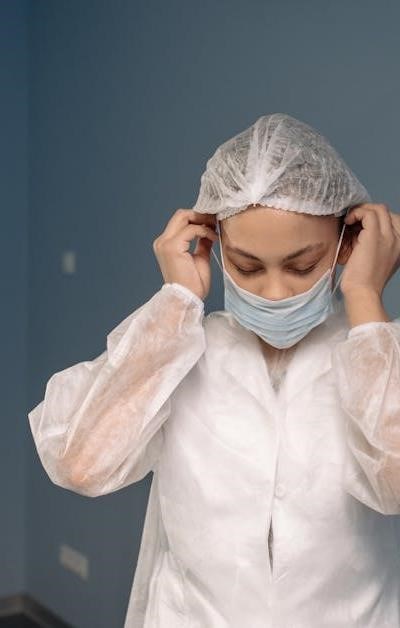
- Universal Precautions: All staff utilize appropriate PPE (Personal Protective Equipment), including gloves, masks, and gowns when necessary, adhering to CDC guidelines.
- Health Screenings: We maintain strict policies preventing staff from working while ill. In a hospital, “presenteeism” (working while sick) can be a problem due to staffing shortages. We manage our staffing roster to ensure no sick caregiver enters a client’s home.
- Equipment Sterilization: Any reusable medical equipment brought into the home is sanitized according to manufacturer standards before arrival.
By choosing home nursing, patients and families in Brooklyn, Manhattan, Queens, and across NYC are making a proactive choice to limit exposure and prioritize safety.
Frequently Asked Questions About Infection Control & Home Care
Protect Your Health with Professional Home Care
Don’t risk unnecessary exposure. Secure hospital-grade nursing care in the safety of your own home.
(718) 232-2777
Call Now
Contact ProLife Home Care NYC for a free clinical assessment:(718) 232 – 2777