Relocation Stress Syndrome: Managing the Emotional Impact of Moving in 2026
Relocation Stress Syndrome is a vital clinical consideration for seniors in 2026. Emotional well-being is heavily influenced by environmental consistency, especially for those moving within Manhattan, Brooklyn, or Queens.

⚠️ 2026 Relocation Update: Critical Summary
In 2026, Relocation Stress Syndrome (often called “Transfer Trauma”) is a leading cause of sudden cognitive decline after a move. Clinical data shows that seniors moving into high-density NYC areas like Brighton Beach or Flushing face 40% higher stress levels due to noise and space changes. To mitigate this, 2026 protocols emphasize “Environmental Anchoring”-bringing specific scents and sounds from the old home into the new live-in care environment.
What Is Relocation Stress Syndrome?
Relocation Stress Syndrome is a recognized condition describing the emotional, psychological, and sometimes physical distress that can occur after a significant move. It is most commonly seen in older adults who relocate due to health needs, safety concerns, or changes in living arrangements.
This condition is not simply "feeling sad about moving." Relocation Stress Syndrome can disrupt sleep, appetite, mood, memory, and overall well-being. It often develops when a person loses familiar routines, surroundings, and social connections all at once.
Who Is Most Affected by Relocation Stress Syndrome
Seniors and Older Adults
Older adults are especially vulnerable because relocation often represents loss-of independence, a longtime home, or familiar neighbors. Moves to assisted living, nursing homes, or family residences can feel sudden and overwhelming.
Individuals with Chronic Illness or Cognitive Decline
People living with dementia, mobility limitations, or chronic illness may struggle more with change. New environments can increase confusion, anxiety, and behavioral changes, making relocation particularly challenging for those in advanced dementia stages.
Common Causes of Relocation Stress
Relocation Stress Syndrome is usually triggered by major life changes, including:
- Downsizing from a longtime home
- Moving closer to family for care
- Transitioning to assisted living or skilled nursing
- Hospital discharges to unfamiliar settings
- Urban-to-suburban or suburban-to-city moves
In cities like New York City, additional stressors-noise, crowds, smaller living spaces, and fast-paced routines-can intensify emotional strain. Ensuring home safety in the new environment is a vital part of reducing this anxiety.
Emotional and Physical Symptoms to Watch For
Symptoms vary but commonly include:
- Anxiety, sadness, or depression
- Withdrawal from social interaction
- Irritability or mood swings
- Sleep disturbances
- Changes in appetite
- Confusion or memory decline
- Increased risk of falls or illness
These symptoms may appear days or weeks after a move and are often mistaken for normal aging. Monitoring common health issues during this time is critical.
Why Relocation Is Especially Stressful for Seniors
For many seniors, a home represents identity, history, and independence. Moving can feel like losing control over one's life. Familiar routines-such as favorite walking routes, local shops, or neighbors-are suddenly gone.
Relocation Stress Syndrome highlights the emotional cost of these losses and explains why even "positive" moves can feel deeply upsetting.
Relocation Stress Syndrome and Cognitive Health
Stress affects the brain. In seniors, relocation stress may worsen memory problems, increase confusion, or accelerate cognitive decline. This is especially true for individuals with early-stage dementia, where environmental familiarity plays a key role in orientation and comfort.
Maintaining consistency and emotional reassurance through mental health support is essential during transitions.
Practical Strategies to Reduce Relocation Stress
Before the Move
- Involve the individual in decision-making whenever possible
- Visit the new location in advance
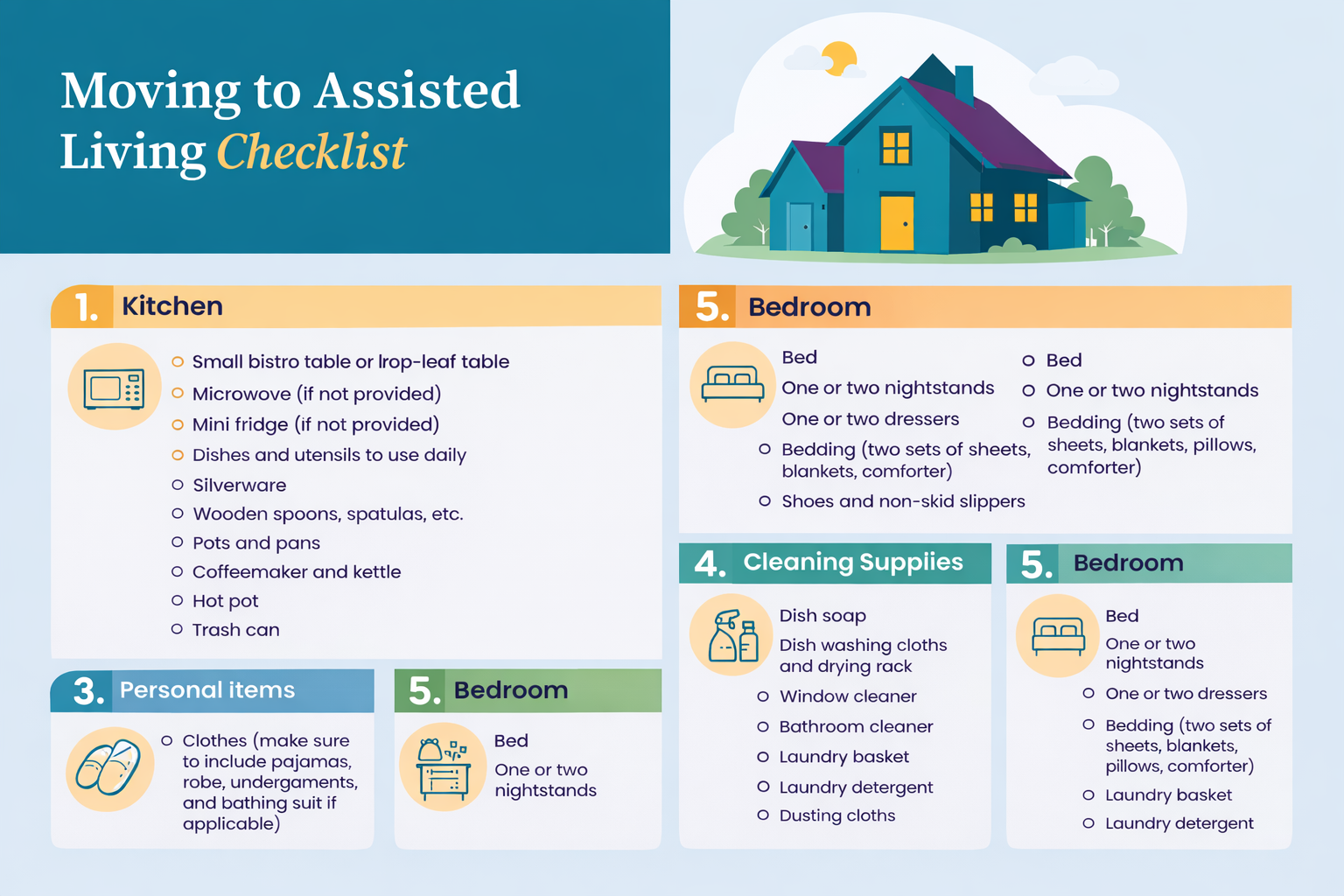
- Bring familiar furniture, photos, and personal items
- Talk openly about fears and expectations
During the Transition
- Maintain daily routines as much as possible
- Keep meals, medications, and sleep schedules consistent
- Offer reassurance and emotional support
After Settling In
- Encourage social interaction slowly and gently
- Establish new routines early
- Stay connected with familiar people and activities
- Allow time-adjustment does not happen overnight
Role of Family, Caregivers, and Professionals
Family members and caregivers play a crucial role in easing relocation stress. Patience, empathy, and consistent presence matter more than logic or reassurance alone.
Healthcare providers, social workers, and mental health professionals can help monitor emotional changes and recommend supportive interventions like nurse services when needed.
Relocation Stress in Urban Environments
Urban settings can intensify Relocation Stress Syndrome due to sensory overload-noise, crowds, unfamiliar layouts, and reduced personal space. Seniors relocating within large cities like New York City may need additional support to adapt safely and emotionally.
Simple accommodations, such as quiet spaces, clear signage, and structured routines, can significantly improve adjustment in neighborhoods like the Upper East Side or Sheepshead Bay.
When to Seek Professional Help
Professional support should be considered if symptoms:
- Persist beyond a few weeks
- Interfere with daily functioning
- Include severe depression, confusion, or withdrawal
- Increase fall risk or medical complications
Early intervention through a Medicaid-managed plan can prevent long-term emotional and physical decline.
Expert FAQ: Relocation Stress 2026
1. Is Relocation Stress Syndrome a medical diagnosis?
2. How long does relocation stress last?
3. Can relocation stress be prevented?
4. Does everyone experience relocation stress?
5. Can relocation worsen dementia symptoms?
6. Should families feel guilty about relocation decisions?
7. Does Medicaid cover support for relocation stress?
Conclusion
Relocation Stress Syndrome reminds us that moving is not just a physical event-it is an emotional transition. With awareness, planning, and empathy, families and caregivers can reduce distress and support healthier adjustment. Change is challenging at any age, but with the right support, seniors can regain stability, comfort, and a sense of belonging in their new environment.
Safe and Smooth Transitions in NYC
Relocating in Brooklyn, Manhattan, or Queens? ProLife Home Care specializes in RN-led transitions that prioritize emotional stability. Contact us today for a free assessment.
Speak with a Transition SpecialistContact ProLife Home Care NYC for a free clinical assessment: (718) 232-2777