{
“@context”: “https://schema.org”,
“@type”: “FAQPage”,
“mainEntity”: [
{
“@type”: “Question”,
“name”: “Is in-home EKG monitoring as accurate as a hospital test?”,
“content”: “Yes, modern medical-grade remote EKG devices used by NYC providers utilize the same multi-lead technology found in clinics. These devices are FDA-cleared and provide high-resolution data that allows cardiologists to detect arrhythmias, ischemia, and other cardiac irregularities with clinical precision.”
},
{
“@type”: “Question”,
“name”: “Does Medicaid in New York cover remote health monitoring?”,
“content”: “New York Medicaid and many Medicare Advantage plans do cover remote patient monitoring (RPM) services, including EKG tracking, especially when deemed medically necessary for chronic condition management. Patients should consult with their Managed Long Term Care (MLTC) plan for specific authorization requirements.”
},
{
“@type”: “Question”,
“name”: “How long does a senior need to wear a remote heart monitor?”,
“content”: “The duration varies based on the clinical need. Some monitors are used for a single 12-lead snapshot, while others, like Holter monitors or patch-based systems, may be worn for 24 hours to 30 days to capture intermittent heart rhythm issues that a standard test might miss.”
},
{
“@type”: “Question”,
“name”: “What happens if the monitor detects an abnormality?”,
“content”: “Most remote health monitoring systems in NYC are connected to a central monitoring station or directly to a physician’s portal. If a life-threatening rhythm is detected, an alert is triggered, and the clinical team initiates an emergency protocol, which may include contacting the patient directly or dispatching EMS.”
},
{
“@type”: “Question”,
“name”: “Can I get an in-home EKG in any NYC borough?”,
“content”: “Yes, in home EKG monitoring NYC services are available across Manhattan, Brooklyn, Queens, the Bronx, and Staten Island. Many home health agencies and mobile diagnostic companies provide city-wide coverage to ensure seniors have access regardless of their location.”
}
]
}
As a senior nurse who has navigated the busy streets of the five boroughs for decades, I understand the immense physical and emotional burden that traveling to a doctor’s office places on our elderly neighbors. Often, the stress of a commute to a cardiology clinic in Manhattan can cause heart rate spikes that skew test results, making the clinical data less reliable than it should be. In home EKG monitoring NYC offers a compassionate solution that allows families to keep their loved ones safe and comfortable while receiving world-class cardiac diagnostics. By utilizing these advanced tools, we can provide NYC families with peace of mind, knowing that professional heart monitoring is happening right in the sanctuary of their own home.
Clinical Quick Answer
In home EKG monitoring NYC utilizes portable, medical-grade diagnostic devices to record heart electrical activity and transmit data directly to healthcare providers without requiring the patient to leave their residence. This facet of Remote Health Monitoring is essential for detecting arrhythmias, such as Atrial Fibrillation, and managing chronic heart failure in seniors with limited mobility. By integrating these tools into home care, NYC clinicians can provide early intervention, significantly reducing the risk of stroke or emergency hospitalizations.
Understanding the Shift to Remote Heart Monitoring in NYC
The healthcare landscape in New York City is undergoing a massive transformation, shifting from a hospital-centric model to one that prioritizes home-based care. For seniors, this shift is not just about convenience; it is about survival and quality of life. The density of NYC, combined with the complexities of the MTA and the high costs of ambulette services, creates significant barriers to routine cardiac screening. Remote Health Monitoring has emerged as a bridge, closing the gap between the patient’s living room and the cardiologist’s office.
- Reduced Exposure: Seniors avoid the risks associated with crowded waiting rooms and public transportation, which is particularly vital during flu and respiratory virus seasons.
- Longitudinal Data: Unlike a one-time EKG in a clinic, home monitoring can capture data over several days, identifying transient issues that might be missed in a 10-minute office visit.
- Patient Comfort: Testing in a familiar environment reduces ‘white coat hypertension’ and provides a more accurate reflection of the heart’s activity during daily routines.
- Rapid Deployment: In NYC, mobile diagnostic teams can often deliver and set up equipment within 24 to 48 hours of a physician’s order.
How In Home EKG Monitoring NYC Works
The process of obtaining an EKG at home has been streamlined through technological advancements. While the term ‘EKG’ traditionally conjures images of large machines and tangled wires, modern Remote Health Monitoring involves sleek, user-friendly devices. These range from mobile 12-lead units brought by a technician to small, adhesive patches that a patient can wear under their clothes for extended periods.
- Mobile Technicians: For a standard 12-lead EKG, a trained technician visits the home, applies the electrodes, and performs the test in about 15 minutes.
- Patch Monitors: These are water-resistant devices that stick to the chest and record every heartbeat for up to 14 days, providing a comprehensive view of heart rhythm.
- Digital Transmission: Data is encrypted and sent via a secure cellular or Wi-Fi connection to a cloud-based platform where cardiologists can review it in real-time.
- Integration with EHR: The results are automatically integrated into the patient’s Electronic Health Record (EHR), allowing all members of the care team to see the findings instantly.
Clinical Benefits for Chronic Disease Management
Managing heart disease in the elderly requires constant vigilance. Conditions such as congestive heart failure (CHF) or coronary artery disease can change rapidly. In home EKG monitoring NYC provides the granular data needed to make life-saving adjustments to medication and treatment plans without the delay of waiting for an available appointment slot in a busy city practice.
- Atrial Fibrillation Detection: A-fib is a leading cause of stroke in NYC seniors; home monitoring is the gold standard for catching this irregular rhythm early.
- Medication Titration: Doctors can see how a patient’s heart responds to new medications in real-time, adjusting dosages precisely based on recorded electrical activity.
- Post-Surgical Oversight: After a cardiac procedure at a major hospital like Mount Sinai or NYP, home monitoring ensures the recovery process is staying on track.
- Prevention of ‘Revolving Door’ Admissions: By catching small changes early, clinicians can prevent the acute crises that lead to repeated ER visits.
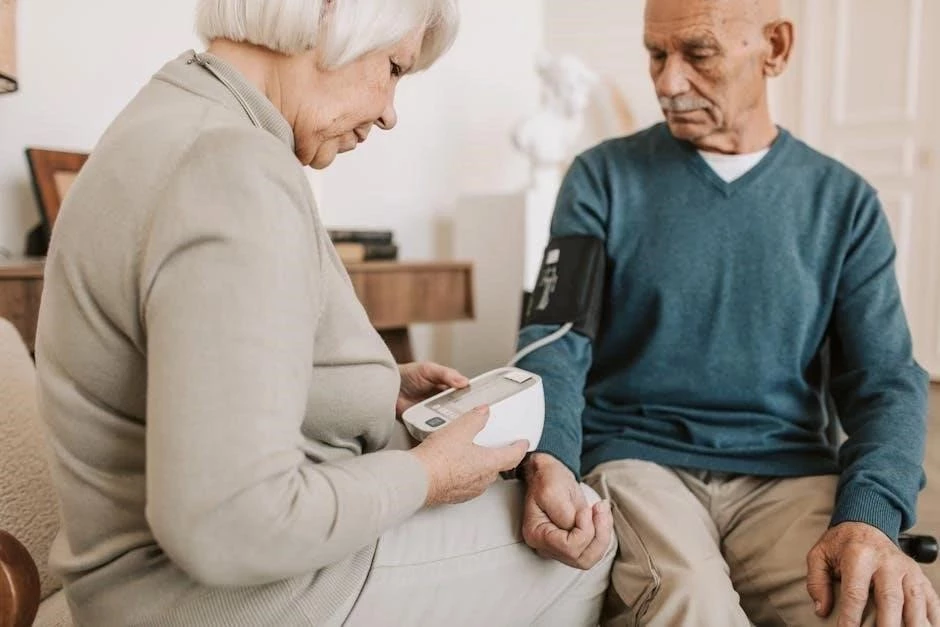
Navigating NYC Medicaid and Insurance for Home Testing
One of the primary concerns for NYC families is how to pay for these advanced services. Fortunately, New York’s healthcare policy has become increasingly supportive of remote care. The NY State DOH has expanded guidelines to include various forms of telehealth and remote patient monitoring under Medicaid coverage, recognizing its cost-effectiveness and clinical utility.
- Medicaid Reimbursement: NY Medicaid typically covers remote monitoring when it is part of a plan of care for chronic disease management.
- Medicare Coverage: Traditional Medicare Part B covers EKG tests and certain remote monitoring services, provided they are ordered by a physician and deemed medically necessary.
- CDPAP Integration: Families using the Consumer Directed Personal Assistance Program (CDPAP) can work with their clinical teams to ensure monitoring is part of the daily routine managed by the caregiver.
- MLTC Coordination: Managed Long Term Care plans often authorize home-based diagnostics to prevent the high costs associated with nursing home placement or hospital stays.
The Role of Caregivers in Remote Health Monitoring
In NYC, where many seniors live in multi-generational households or rely on home health aides, the caregiver plays a pivotal role in the success of heart monitoring. The technology is designed to be simple, but the human element remains essential for ensuring the device is worn correctly and that symptoms are reported accurately.
- Equipment Management: Caregivers help ensure that monitors are charged and that adhesive patches remain properly attached to the skin.
- Symptom Logging: Many remote systems include an app or diary where caregivers can note when a senior feels dizzy or short of breath, correlating symptoms with heart data.
- Technical Support: Providers of in home EKG monitoring NYC usually offer 24/7 technical help desks to assist families with any connectivity issues.
- Peace of Mind: Knowing that a professional is ‘watching’ the heart data reduces the emotional stress on family members who are often overwhelmed by caregiving duties.
Future Trends in NYC Remote Cardiac Care
As we look forward, the integration of Artificial Intelligence (AI) with Remote Health Monitoring is set to further revolutionize senior care in New York. Predictive algorithms can now analyze EKG data to identify patterns that precede a cardiac event, sometimes days before the patient feels any symptoms. This move toward proactive, rather than reactive, medicine is the future of urban healthcare.
- AI Diagnostics: Software can now flag high-risk EKG strips for immediate physician review, prioritizing the most urgent cases in a large patient population.
- Wearable Evolution: Future devices will likely be even smaller and more discreet, potentially integrated into common clothing or jewelry.
- Expansion to Other Vitals: Remote EKG is increasingly being paired with oxygen saturation and blood pressure monitoring for a total ‘hospital at home’ experience.
- Equitable Access: NYC initiatives are focused on ensuring that seniors in underserved areas have the same access to high-tech home monitoring as those in wealthier zip codes.
Nurse Insight: In my experience, the biggest hurdle isn’t the technology itself, but the fear of it; once seniors see how simple the patch or portable monitor is to wear, their compliance increases significantly compared to office visits. I always tell my families: don’t wait for a crisis to explore these options. Setting up remote monitoring when your loved one is stable is the best way to ensure they stay that way in the long run.
Frequently Asked Questions
Is in-home EKG monitoring as accurate as a hospital test?
Yes, modern medical-grade remote EKG devices used by NYC providers utilize the same multi-lead technology found in clinics. These devices are FDA-cleared and provide high-resolution data that allows cardiologists to detect arrhythmias, ischemia, and other cardiac irregularities with clinical precision.
Does Medicaid in New York cover remote health monitoring?
New York Medicaid and many Medicare Advantage plans do cover remote patient monitoring (RPM) services, including EKG tracking, especially when deemed medically necessary for chronic condition management. Patients should consult with their Managed Long Term Care (MLTC) plan for specific authorization requirements.
How long does a senior need to wear a remote heart monitor?
The duration varies based on the clinical need. Some monitors are used for a single 12-lead snapshot, while others, like Holter monitors or patch-based systems, may be worn for 24 hours to 30 days to capture intermittent heart rhythm issues that a standard test might miss.
What happens if the monitor detects an abnormality?
Most remote health monitoring systems in NYC are connected to a central monitoring station or directly to a physician’s portal. If a life-threatening rhythm is detected, an alert is triggered, and the clinical team initiates an emergency protocol, which may include contacting the patient directly or dispatching EMS.
Can I get an in-home EKG in any NYC borough?
Yes, in home EKG monitoring NYC services are available across Manhattan, Brooklyn, Queens, the Bronx, and Staten Island. Many home health agencies and mobile diagnostic companies provide city-wide coverage to ensure seniors have access regardless of their location.
Contact ProLife Home Care NYC for a free clinical assessment:(718) 232 – 2777
Contact ProLife Home Care NYC for a free clinical assessment: (718) 232-2777