As a senior Registered Nurse with years of experience in the New York healthcare landscape, I have guided countless families through the complexities of discharging a loved one from Peconic Bay Medical Center. The transition from a clinical hospital setting to a private residence in Riverhead or the surrounding East End requires meticulous planning and professional oversight. Ensuring that a senior has the right support system in place is not just about comfort; it is a clinical necessity to prevent complications and hospital readmissions.
Successfully transitioning from Peconic Bay Medical Center to home requires a comprehensive Nursing Evaluation to identify immediate medical risks and environmental hazards. This process involves coordinating Peconic Bay Medical Center senior support resources with professional home care to manage medications, wound care, and physical therapy. By establishing a clinical bridge between the hospital and the home, seniors can recover in a familiar environment while maintaining the safety standards of a medical facility.
From a clinical RN perspective in New York, the greatest risk for seniors leaving Peconic Bay Medical Center occurs within the first 48 hours of discharge. The most common mistake is “medication fragmentation,” where the patient or family inadvertently mixes old prescriptions with new ones issued by hospital specialists. Timing is everything; a professional nursing evaluation should ideally occur within 24 hours of arrival at home to reconcile these medications and assess the patient's respiratory and circulatory status in their natural environment. In the Riverhead area, where access to 24-hour pharmacies can be limited depending on the specific neighborhood, having a pre-verified clinical plan is a literal lifesaver.
The Critical Importance of Post-Hospitalization Care in Riverhead
The journey from the hospital bed to the living room couch is often the most dangerous period for an aging adult. In the Riverhead area, Peconic Bay Medical Center serves as a vital hub for acute care, but once the patient is stabilized and discharged, the responsibility of care shifts to the family and home care providers. This transition is particularly complex in Eastern Long Island, where geography and the local healthcare infrastructure can present unique challenges. Without structured Peconic Bay Medical Center senior support, the risk of a “revolving door” scenario-where a patient is readmitted within days-increases significantly.
The New York healthcare system is increasingly focused on value-based care, which prioritizes long-term outcomes over short-term interventions. For a senior recovering from surgery, a cardiac event, or a severe infection, the environment at home must be clinicalized. This does not mean turning a home into a cold, sterile ward, but rather implementing rigorous monitoring and professional clinical standards. We look at the recovery process as a continuum. The excellence provided at Peconic Bay Medical Center must be matched by equal excellence at home to ensure the healing initiated in the hospital reaches its full potential.
Furthermore, Riverhead’s unique demographic landscape means that many seniors live in independent communities or older homes that may not be optimized for post-surgical recovery. Transitioning home is not merely about transportation; it is about the integration of medical oversight into the daily routine. This involves everything from monitoring vital signs to ensuring that the patient's nutritional intake supports tissue healing and cognitive function. The stress of being in a hospital often masks underlying issues that only become apparent once the patient returns to their familiar surroundings.
The Vital Role of a Professional Nursing Evaluation
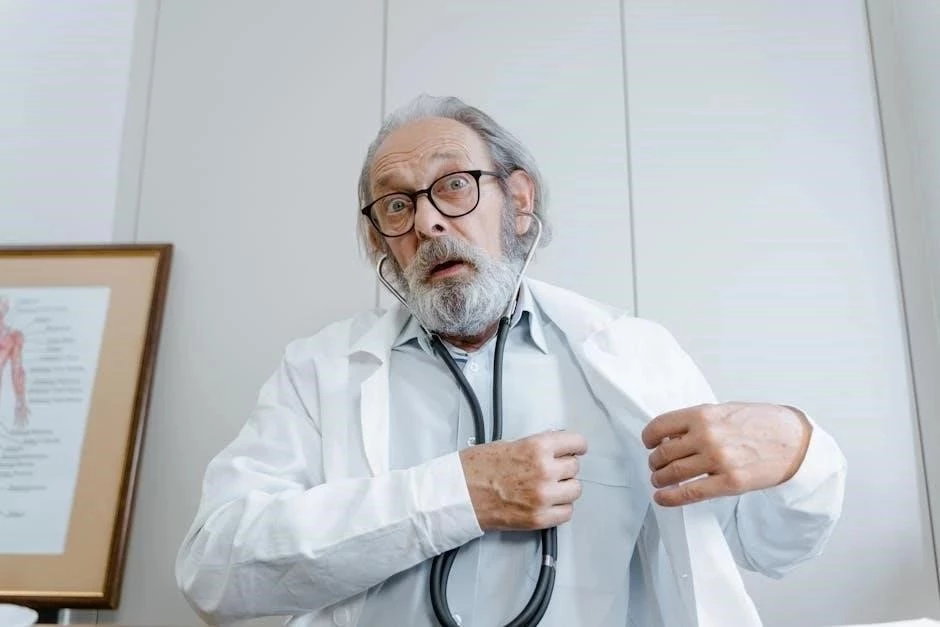
A Nursing Evaluation is the cornerstone of a safe transition. When a senior arrives home, a Registered Nurse performs a head-to-toe assessment that goes far beyond a simple check-in. This evaluation includes a review of all bodily systems: cardiovascular, respiratory, neurological, and musculoskeletal. In the context of Peconic Bay Medical Center senior support, the nurse acts as the eyes and ears of the physician, identifying subtle changes in status that a family member might overlook. For example, a slight increase in peripheral edema or a minor change in lung sounds can indicate the early stages of heart failure or pneumonia.
During a professional nursing evaluation, the RN also conducts a thorough medication reconciliation. This is the process of comparing the medications the patient was taking before their hospital stay with the new orders provided upon discharge. In the New York medical system, it is common for a specialist at Peconic Bay Medical Center to prescribe a new drug that might interact with a maintenance medication prescribed by a primary care physician in a different network. The nurse identifies these “red flags” and contacts the appropriate providers to resolve discrepancies before a dose is ever taken.
- Vital Signs Monitoring: Assessing blood pressure, heart rate, oxygen saturation, and temperature to establish a baseline in the home environment.
- Wound and Incision Care: Checking for signs of infection, such as erythema, warmth, or purulent drainage, especially after orthopedic or abdominal surgeries.
- Cognitive Assessment: Evaluating for post-hospital delirium, which is common in seniors and can lead to falls or medication errors.
- Functional Assessment: Observing the patient's ability to perform activities of daily living (ADLs) safely, such as moving from the bed to a chair.
Coordinating Peconic Bay Medical Center Senior Support Resources
Peconic Bay Medical Center, part of the Northwell Health system, offers various resources, but navigating them requires professional guidance. Senior support involves more than just medical care; it encompasses social work, physical therapy, and durable medical equipment (DME) coordination. For a senior in Riverhead, this might mean ensuring that a hospital bed, oxygen concentrator, or walker is delivered and properly set up before the patient arrives home. A gap in these services can lead to an immediate crisis.
Professional home care agencies specialize in closing these gaps. They work in tandem with the discharge planners at the hospital to ensure the transition is seamless. This coordination is particularly important for patients with chronic conditions like COPD, diabetes, or congestive heart failure. These “high-risk” diagnoses require specialized monitoring and education. The nurse provides the patient and their family with the tools they need to manage the condition, such as teaching them how to use a nebulizer or how to monitor blood glucose levels accurately.
The social aspect of support is equally important. Many seniors in the Suffolk County area may experience isolation, which can impede recovery. Part of a comprehensive support plan includes ensuring the patient has access to nutritious meals and transportation for follow-up appointments. By leveraging local resources and professional clinical oversight, families can create a safety net that supports both the physical and emotional well-being of the senior.
Home Safety and Fall Prevention Strategies
Falls are the leading cause of injury-related hospitalizations for seniors in New York. When transitioning home after a stay at Peconic Bay Medical Center, the risk of falling is heightened due to post-operative weakness, medication side effects like dizziness, and the general deconditioning that occurs during bed rest. A critical part of the Nursing Evaluation is a comprehensive home safety assessment. The nurse walks through the home with a clinical eye, identifying hazards that may not have been an issue when the patient was at full strength.
Effective fall prevention strategies include both environmental modifications and patient education. In Riverhead, where many homes have multiple levels or older bathroom fixtures, specific interventions are often necessary. The goal is to create a “path of least resistance” for the patient, ensuring they can move safely from their bedroom to the bathroom and kitchen. This might include installing temporary grab bars, removing area rugs, or improving lighting in hallways.
- Removing Trip Hazards: Clearing clutter, electrical cords, and loose carpets from high-traffic areas.
- Lighting Optimization: Ensuring that nightlights are used and that light switches are easily accessible from the bed.
- Bathroom Safety: Recommending raised toilet seats, shower chairs, and non-slip mats to prevent slips in wet areas.
- Footwear Education: Ensuring the patient has sturdy, non-slip shoes rather than loose slippers or socks.
Managing Medications and Preventing Adverse Events
Medication errors are a primary driver of readmissions at Peconic Bay Medical Center. The complexity of modern pharmacology means that a senior may be discharged with five or more new medications, each with specific timing and dietary requirements. A professional nurse simplifies this process by creating a clear, easy-to-follow medication schedule. They also educate the patient and family on the purpose of each drug and what side effects to watch for. This education is vital for high-risk medications like anticoagulants (blood thinners) or opioids for pain management.
In addition to reconciliation, the nurse monitors the effectiveness of the medications. For example, if a patient is prescribed a new diuretic for heart failure, the nurse will monitor their weight and lung sounds to ensure the medication is working as intended. If a patient is on pain medication, the nurse assesses for side effects like constipation or respiratory depression. This proactive approach allows for early intervention, often preventing a return trip to the emergency room.
The logistics of obtaining medications in Riverhead also play a role. If a specific medication is not available at the local pharmacy, the nursing team can work with the physician to find an appropriate alternative or arrange for specialized delivery. This level of advocacy ensures that there are no “missed doses,” which can be catastrophic for patients recovering from acute illnesses.
The “Red Zone”: Monitoring the First 30 Days
In clinical circles, the first 30 days post-discharge are known as the “Red Zone.” This is the period where the risk of complication is highest. Professional Peconic Bay Medical Center senior support focuses on intensive monitoring during this window. Regular visits from a nurse allow for the early detection of “soft signs” of decline-subtle changes in behavior, appetite, or physical ability that suggest a problem is brewing. For a senior in New York, having this level of professional scrutiny provides peace of mind for distant family members.
During the Red Zone, the focus also shifts to rehabilitation and regaining independence. The nurse coordinates with physical and occupational therapists to ensure the patient is progressing toward their goals. They also help the patient prepare for follow-up appointments with their specialists at Peconic Bay Medical Center. By ensuring the patient is “stable and ready” for these appointments, the nurse helps maximize the effectiveness of the entire medical team.
Ultimately, the goal of home care after a hospital stay is to restore the senior to their highest possible level of function. This requires a holistic approach that addresses the medical, physical, and psychological needs of the patient. In Riverhead, where the community values independence and resilience, professional home care provides the necessary support to help seniors age in place safely and with dignity.
| Service | What It Includes | Why It Matters<br /> |
|---|---|---|
| Nursing Evaluation | Comprehensive head-to-toe physical assessment and medication review | Identifies hidden clinical risks before they become emergencies |
| Medication Reconciliation | Comparing hospital discharge orders with current home medications | Prevents dangerous drug interactions and dosage errors |
| Home Safety Assessment | Evaluation of the physical living environment for fall risks | Reduces the likelihood of injury and hospital readmission |
ProLife Home Care provides the specialized clinical oversight necessary to bridge the gap between Peconic Bay Medical Center and a safe recovery at home. Our team of dedicated nurses ensures that every senior receives a thorough evaluation and a personalized care plan tailored to their unique needs. By choosing professional support, you are investing in a safer, faster, and more effective recovery for your loved one. Explore our senior home care services to learn how we can help your family today.
Contact ProLife Home Care NYC for a free clinical assessment:(718) 232 – 2777Frequently Asked Questions
What is the first step in Peconic Bay Medical Center senior support?
The first step is a comprehensive Nursing Evaluation conducted by a Registered Nurse to assess the patient’s immediate medical needs and home safety.
How does a Nursing Evaluation prevent hospital readmission?
It identifies early warning signs of complications, reconciles medication discrepancies, and ensures the home environment is safe for recovery.
Can a Nursing Evaluation help with specialized post-surgical care?
Yes, nurses provide expert wound care, monitor for infections, and coordinate with surgeons at Peconic Bay Medical Center for follow-up care.
Is the Nursing Evaluation covered by insurance?
Many components of post-hospitalization nursing care are covered by insurance plans, depending on the patient’s specific policy and medical necessity.
Why is medication reconciliation part of the Nursing Evaluation?
It is vital to ensure that new prescriptions from the hospital do not conflict with existing medications, which is a leading cause of senior complications.
Contact ProLife Home Care NYC for a free clinical assessment: (718) 232-2777