Caring for a loved one with Alzheimer’s in the fast-paced environment of New York City requires a specialized approach to safety and emotional support․ We understand the profound worry that comes with the risk of wandering, especially in a landscape filled with complex transit systems and crowded streets․ By utilizing advanced technology and personalized care strategies, families can maintain the dignity of their elders while ensuring they are protected at all times․ Our mission is to provide you with the peace of mind that comes from knowing your loved one is secure within the comfort of their own community․
Clinical Quick Answer
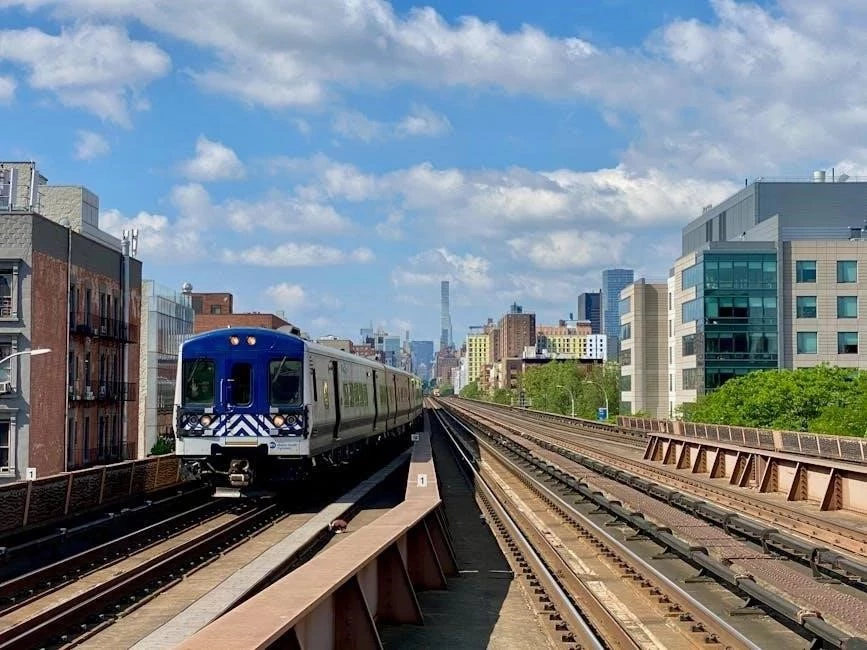
Modern GPS tracking for dementia NYC utilizes real-time geofencing and 5G-enabled wearables to provide an immediate safety net for seniors prone to wandering in dense urban environments․ When integrated with a comprehensive plan for Dementia Care at Home, these tools allow for rapid intervention and 24/7 monitoring by both family members and professional caregivers․ By establishing “safe zones” around an NYC residence, the system automatically alerts emergency contacts the moment a patient crosses a predetermined boundary, significantly reducing the risk of transit-related incidents․
The Unique Risks of Wandering in the New York City Landscape
New York City presents a set of environmental challenges that are distinct from any other metropolitan area, making wandering a high-stakes emergency for those with Alzheimer’s․ The density of the five boroughs-Manhattan, Brooklyn, Queens, the Bronx, and Staten Island-means that a person can become lost in a crowd within seconds․ Furthermore, the vertical nature of NYC living, with its high-rise apartments and elevators, adds layers of complexity to tracking a person’s exact location․
- Subway and Transit Complexity: A wandering individual may inadvertently enter the subway system, which operates 24/7 and covers hundreds of miles of track․ Once underground, traditional GPS signals may weaken, making early detection at the station entrance critical․
- Environmental Overstimulation: The noise, lights, and constant movement of NYC can trigger “sundowning” or acute confusion, leading a patient to walk faster or more erratically than they would in a quiet suburb․
- Extreme Weather Vulnerability: NYC's heat islands in the summer and wind tunnels in the winter mean that an outdoor wandering incident can quickly lead to dehydration or hypothermia if the individual is not found within the first “golden hour․”
- High-Traffic Pedestrian Zones: Areas like Times Square or Grand Central Terminal are nearly impossible to navigate for someone with cognitive decline, increasing the risk of accidents or predatory behavior from others․
- Building Security Barriers: If a resident wanders out of a doorman building, they may not be able to find their way back in, or security may not recognize their cognitive state, leading to them being directed away from their home․
Advancements in GPS Tracking Technology for 2026
As we move into 2026, the technology behind GPS tracking for dementia NYC has become more discreet, reliable, and integrated into the daily lives of seniors․ No longer limited to bulky wristbands, these devices now prioritize “passive monitoring,” which requires less active input from the patient while providing more data to the caregiver․ The focus has shifted toward high-fidelity location data and AI-driven behavior analysis․
- AI-Powered Geofencing: Modern systems now use machine learning to “learn” a patient’s routine․ If a patient typically walks to the corner bodega at 10 AM but suddenly departs toward the East River at 3 PM, the system recognizes the anomaly and alerts the family before the patient even leaves the “safe zone․”
- Hybrid Location Tracking: Devices now utilize a combination of GPS, GLONASS, Wi-Fi triangulation, and Bluetooth Low Energy (BLE)․ In the “urban canyons” of Manhattan where skyscrapers block satellite signals, the device switches to local Wi-Fi hotspots to maintain a precise location․
- Long-Range Cellular Connectivity: The 2026 generation of trackers utilizes 5G and LTE-M bands, which penetrate deeper into buildings and basement apartments, ensuring that the connection remains active even in NYC’s older masonry structures․
- Extended Battery Life: New battery technologies allow for wearables that last up to 14 days on a single charge, reducing the risk of the device dying during a critical wandering event․
- Biometric Integration: Many GPS trackers now also monitor heart rate, gait stability, and fall detection․ A sudden spike in heart rate combined with rapid movement can signal that a patient is in a state of panic or is on a moving bus․
Integrating Technology with Professional Dementia Care at Home
While technology provides the data, professional care provides the human intervention necessary to keep a senior safe․ Integrating GPS solutions with Dementia Care at Home ensures that there is always a protocol in place when an alert is triggered․ This “tech-enabled” care model is becoming the gold standard for NYC families who want to avoid institutionalization for their loved ones․
- Immediate Emergency Response: When a GPS alert is triggered, a home care aide can be the first responder, often reaching the patient faster than the NYPD or EMS could in heavy traffic․
- Escorted Walks and Socialization: Caregivers use the GPS data to identify the patient’s favorite routes and shops, allowing them to facilitate supervised outings that satisfy the patient’s urge to move while maintaining safety․
- Behavioral Documentation: Care aides track the frequency of “boundary testing” (when a patient approaches the door to leave), which provides clinical data for neurologists to adjust medications or care plans․
- Family Peace of Mind: With professional aides managing the daily monitoring, family members are relieved of the burden of checking an app every ten minutes, reducing caregiver burnout and improving the quality of family visits․
- Medicaid-Funded Support: In New York, programs like CDPAP (Consumer Directed Personal Assistance Program) allow families to hire and train aides who are specifically instructed on how to use these GPS tools as part of the authorized care plan․
Ethical Considerations and Dignity in Surveillance
Implementing GPS tracking for dementia NYC involves a delicate balance between safety and the individual’s right to privacy․ It is essential to approach the use of tracking technology with a “person-centered” mindset, ensuring that the patient’s dignity is preserved even as their movements are monitored․ Ethical care involves transparency and the least restrictive means of protection․
- Informed Consent: Whenever possible, the patient should be involved in the conversation about the device․ In the early stages of Alzheimer’s, framing the GPS as a “safety watch” or a “navigation tool” can help secure their cooperation․
- The “Least Restrictive” Principle: Experts recommend using the least invasive device possible․ For some, a shoe insert is preferable to a wristband because it doesn’t cause the patient to feel “tagged” or stigmatized․
- Data Security: In 2026, cybersecurity is paramount․ Families must ensure that the tracking data is encrypted and that only authorized care providers and family members have access to the location history․
- Psychological Impact: Constant alerts can create a “surveillance state” atmosphere in the home․ Caregivers should be trained to respond to alerts calmly, without making the patient feel like they have done something “wrong” by walking․
- Maintaining Autonomy: The goal of GPS is to allow the patient to continue living at home rather than in a locked memory care unit․ When viewed through this lens, the technology becomes a tool for liberty rather than a tool for confinement․
Comparing GPS Hardware: Wearables vs․ Non-Wearables
Choosing the right hardware is a critical step in a successful wandering prevention strategy․ What works for one person in a quiet Queens neighborhood may not work for another living near the busy hub of Port Authority․ The choice often depends on the patient’s tactile sensitivities and their level of cognitive impairment․
- Smartwatches and Wristbands: These are the most common and offer features like two-way voice communication․ However, some patients with sensory issues may attempt to remove them or “fiddle” with the buckle until it breaks․
- GPS Shoe Inserts: These are highly effective for patients who refuse to wear jewelry or watches․ Since people rarely leave the house without shoes, the tracker is almost always with them during a wandering event․
- Clothing Pendants and Clips: These can be attached to the inside of a jacket or a belt loop․ They are discreet but run the risk of being left behind if the patient changes clothes without the caregiver’s knowledge․
- Smart Phone Tracking: For those in the earliest stages of dementia, a simple “Find My” app on a smartphone may suffice, though this is the least reliable method as phones are often misplaced or run out of battery․
- Medical Alert Buttons with GPS: These combine a traditional “I’ve fallen and I can’t get up” button with modern tracking, providing a comprehensive safety device that can be used both inside and outside the home․
How NYC Medicaid and Local Resources Support Safety
New York has some of the most robust support systems for seniors, but navigating them requires specialized knowledge․ For families seeking GPS tracking for dementia NYC and comprehensive care, understanding the financial and community resources available is the first step toward a sustainable safety plan․
- MLTC Plans and Technology: Many Managed Long-Term Care (MLTC) plans in NYC may cover the cost of personal emergency response systems (PERS) that include GPS functionality as part of a falls-prevention or safety-monitoring benefit․
- The CDPAP Advantage: By choosing the Consumer Directed Personal Assistance Program, families can select a caregiver (including a family member) who is tech-savvy and capable of managing the GPS interface and responding to alerts in real-time․
- Project Lifesaver NYC: The NYPD and local sheriffs participate in Project Lifesaver, a program that uses radio frequency tracking․ While different from GPS, it provides a secondary layer of protection for high-risk individuals․
- Alzheimer’s Association NYC Chapter: This local resource provides training for families on how to create a “Safe Return” plan, which includes registering the patient with local precincts and setting up digital ID profiles․
- Department for the Aging (DFTA): NYC’s DFTA offers caregiver support groups where families can share reviews of the latest GPS devices and discuss which cellular networks have the best coverage in specific neighborhoods․
Nurse Insight: In my experience working with hundreds of families across the five boroughs, I have found that the most successful safety plans don’t rely on technology alone․ I always tell my clients that a GPS tracker is a tool, not a solution․ The “human element” of Dementia Care at Home is what saves lives․ One of my patients in Brooklyn once wandered out while his daughter was in a Zoom meeting; the GPS alerted her immediately, but it was the home care aide who knew his favorite park bench and found him before he even realized he was lost․ Always pair your technology with a dedicated person who knows the patient’s habits, fears, and history․
Frequently Asked Questions
Will GPS tracking work inside the NYC subway system?
Does NYC Medicaid cover the cost of GPS tracking devices?
What is the best type of tracker for a patient who refuses to wear a watch?
How do I set up a geofence for a high-rise apartment in Manhattan?
What should I do first if the GPS shows my loved one is moving fast on a highway?
Contact ProLife Home Care NYC for a free clinical assessment:(718) 232 – 2777
Contact ProLife Home Care NYC for a free clinical assessment: (718) 232-2777