Navigating the complexities of pediatric epilepsy can feel like an overwhelming journey for any family in New York City․ As a Senior Nurse, I have seen firsthand how the right support system transforms a household from one of constant anxiety to one of empowerment and safety․ Our goal is to ensure your child lives their fullest life while receiving the highest caliber of clinical oversight in the comfort of their own home․ By bridging the gap between the hospital and the heart of the family, we provide the stability and expertise necessary for managing this chronic condition․
Clinical Quick Answer
Home care for children with epilepsy NYC provides specialized medical intervention including seizure monitoring, emergency rescue medication administration, and comprehensive lifestyle management to prevent status epilepticus․ A professional nursing assessment NYC ensures that every environmental trigger is identified and that the child’s seizure action plan is executed with 100% accuracy․ This specialized support reduces hospital readmissions and improves the overall quality of life for both the pediatric patient and their primary caregivers․
The Critical Role of Home Care for Children with Epilepsy NYC
For families living in the fast-paced environment of New York City, managing a child with frequent or unpredictable seizures requires more than just occasional doctor visits․ Home care for children with epilepsy NYC offers a dedicated clinical resource that stays by the child’s side, whether at home, in transit, or at school․ This level of care is essential for children with refractory epilepsy-those whose seizures are not well-controlled by standard medications․ A private duty nurse provides the vigilance needed to catch the subtle “aura” or early signs of a seizure that an untrained eye might miss․
- Continuous observation to identify subtle seizure activity such as absence seizures or focal movements․
- Immediate implementation of the Seizure Action Plan (SAP) during acute episodes․
- Reduction of family caregiver burnout by providing professional respite and expert medical support․
- Assistance with complex medical equipment, including Vagus Nerve Stimulators (VNS) and pulse oximeters․
- Education for the entire family on how to maintain a calm and safe environment during a crisis․
Conducting a Comprehensive Nursing Assessment NYC
A specialized nursing assessment NYC is the foundation of any successful seizure management strategy․ Unlike a standard check-up, this assessment is an ongoing, dynamic process that evaluates the child’s neurological status in their natural environment․ Nurses look for changes in behavior, sleep patterns, and cognitive function that may indicate a shift in seizure activity or a reaction to medication․ In NYC’s diverse landscape, this assessment also takes into account the specific stressors of urban living that might act as triggers for the child․
- Baseline Neurological Evaluation: Assessing motor skills, speech, and responsiveness to establish a daily “normal․”
- Trigger Identification: Documenting patterns related to sleep deprivation, flashing lights, heat, or emotional stress․
- Medication Review: Evaluating the timing, dosage, and efficacy of Anti-Epileptic Drugs (AEDs)․
- Physical Safety Audit: Inspecting the home for hazards like sharp furniture corners, hard flooring, and water safety in the bathroom․
- Growth and Development Tracking: Monitoring if seizures or medications are delaying milestones or impacting school performance․
Emergency Intervention and Rescue Protocols
The primary fear for parents of children with epilepsy is status epilepticus-a seizure lasting longer than five minutes or multiple seizures without regaining consciousness․ Home nurses are trained to act decisively in these high-stress moments․ Having a nurse in the home means that rescue medications like rectal Diazepam (Diastat), intranasal Midazolam (Nayzilam), or sublingual Lorazepam can be administered the moment the Seizure Action Plan dictates, often preventing the need for an emergency room visit and reducing the risk of neurological damage․
- Precise Timing: Using a stopwatch to track the duration of the seizure from the very first sign of activity․
- Airway Management: Ensuring the child is placed in the lateral rescue position to keep the airway clear and prevent aspiration․
- VNS Magnet Use: Swiping the Vagus Nerve Stimulator magnet as prescribed to abort or shorten a seizure․
- Post-Ictal Care: Monitoring oxygen saturation, heart rate, and level of consciousness as the child recovers․
- Emergency Coordination: Communicating vital data to 911 dispatchers and pediatric neurologists if a hospital transfer becomes necessary․
Advanced Medication and Dietary Management
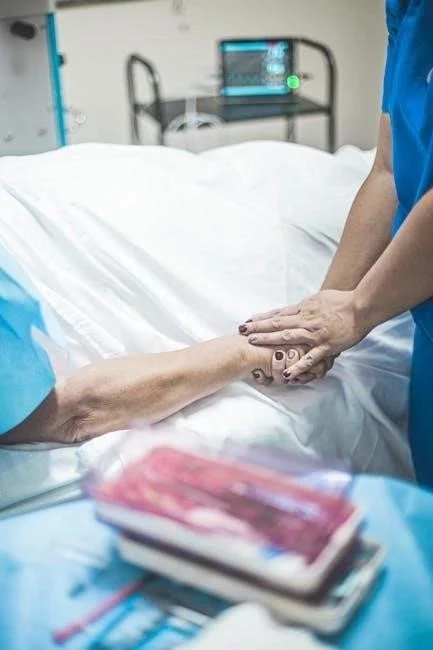
Managing pediatric epilepsy often involves a complex cocktail of medications and, in many cases, strict dietary therapies․ A home care nurse ensures that these interventions are managed with pharmaceutical precision․ In NYC, many leading pediatric neurology centers, such as those at NY State DOH approved facilities, recommend the Ketogenic or Modified Atkins Diet․ Nurses play a pivotal role in weighing ingredients, monitoring ketone levels via urine or blood, and ensuring that no “hidden” carbs are introduced through medications or hygiene products․
- AED Administration: Ensuring medications are given at the exact same time every day to maintain therapeutic blood levels․
- Side Effect Monitoring: Watching for signs of toxicity, such as lethargy, ataxia, or skin rashes (e․g․, Stevens-Johnson Syndrome)․
- Blood Work Coordination: Working with mobile phlebotomy or local clinics to ensure regular monitoring of drug levels and organ function․
- Ketogenic Support: Managing the metabolic shifts and potential GI issues associated with high-fat, low-carb medical diets․
- Pharmacy Liaison: Coordinating with NYC pharmacies to ensure specialty liquid formulations or compounded meds are always in stock․
Integration with NYC Healthcare Systems and Schools
New York City offers some of the best pediatric neurology resources in the world, but navigating them can be a full-time job․ A home care nurse acts as a vital link between the family and the medical team at institutions like NYU Langone, NewYork-Presbyterian, or Mount Sinai․ By maintaining meticulous seizure logs and clinical notes, the nurse provides the neurologist with high-quality data that can lead to better medication adjustments and treatment outcomes․ Furthermore, nurses often assist with the Department of Education (DOE) to ensure the child's Individualized Education Program (IEP) reflects their medical needs․
- Clinical Documentation: Providing detailed reports on seizure morphology, duration, and post-ictal behavior for the neurologist․
- IEP Advocacy: Attending school meetings to explain the child's medical necessity for a 1-on-1 nurse during the school day․
- Transportation Safety: Accompanying the child on NYC school buses to manage potential seizures during the commute․
- Specialist Collaboration: Communicating with physical and occupational therapists to integrate seizure safety into developmental exercises․
- Resource Navigation: Helping families access NY State DOH programs and Medicaid waivers designed for children with complex needs․
Enhancing Quality of Life and Psychosocial Support
Epilepsy affects more than just the brain; it affects the child's self-esteem, social interactions, and the family's overall dynamic․ Home care for children with epilepsy NYC focuses on the “whole child” approach․ Nurses help normalize daily life by finding safe ways for the child to play, interact with siblings, and participate in community activities․ By managing the medical risks, the nurse allows the child to focus on being a child, rather than just a patient․ This holistic support is vital for preventing the depression and anxiety that often accompany chronic childhood illnesses․
- Encouraging Independence: Teaching the child (when age-appropriate) about their condition and how to advocate for themselves․
- Social Integration: Supervising playdates to ensure safety while allowing for normal peer interaction․
- Sleep Hygiene: Implementing routines that ensure the child gets the rest they need, as sleep deprivation is a major seizure trigger․
- Caregiver Education: Empowering parents with the skills and confidence to manage the condition when the nurse is not present․
- Mental Health Awareness: Identifying signs of emotional distress in the child or siblings and suggesting appropriate professional resources․
Nurse Insight: In my experience, the biggest breakthrough for NYC families comes when we move from reactive to proactive care․ Instead of just waiting for a seizure to happen, we use our nursing assessment NYC skills to spot the tiny changes in a child's mood or appetite that often precede a cluster․ My advice to parents is to always trust your gut-you know your child best, and when you combine your intuition with our clinical expertise, we create an unbeatable safety net for your little one․
Frequently Asked Questions
How do I know if my child needs a home nurse for their epilepsy?
If your child experiences “breakthrough” seizures despite medication, requires rescue medications (like Diastat), has a VNS, or is on a medical ketogenic diet, they likely meet the clinical criteria for home nursing․ A consultation with a pediatric neurologist will help determine if these services are a medical necessity for safety and stability․
Does NYC Medicaid cover home care for children with epilepsy?
Yes, New York State offers several programs, including the Care at Home (CAH) waiver, which allows children with severe disabilities or chronic medical conditions to receive Medicaid-funded home care regardless of parental income․ This is specifically designed to keep children out of hospitals and in their own communities․
What is the difference between a home health aide and a home care nurse?
A home health aide (HHA) provides assistance with daily living activities like bathing and feeding but cannot administer medications or perform clinical assessments․ A home care nurse (RN or LPN) is a licensed medical professional who can administer rescue drugs, manage VNS devices, perform a nursing assessment NYC, and make clinical decisions during a seizure․
Can the nurse come with us to doctor appointments in NYC?
Absolutely․ Having a nurse accompany a child to appointments is highly beneficial․ The nurse can provide the neurologist with real-time data from their seizure logs, discuss the child's response to recent medication changes, and ensure that any new orders are correctly understood and implemented immediately․
What should I include in my child’s Seizure Action Plan for the nurse?
The plan should include a description of the child’s typical seizures, a list of daily medications, specific instructions on when to administer rescue medication (e․g․, “if a seizure lasts more than 3 minutes”), emergency contact numbers, and preferred hospital information․ This plan should be signed by your child’s neurologist and updated at least once a year․
Contact ProLife Home Care NYC for a free clinical assessment:(718) 232 – 2777
Contact ProLife Home Care NYC for a free clinical assessment: (718) 232-2777