In the fast-paced, vertically oriented environment of New York City, maintaining musculoskeletal integrity and functional mobility is the cornerstone of senior independence․ At ProLife Home Care, we move beyond basic companionship to provide clinical, RN-led mobility strategies designed to preserve autonomy and ensure safety within the home․
- Clinical Assessment: Registered Nurses evaluate gait, balance, and environmental risks specific to NYC apartments to create safe, personalized mobility plans․
- Preservation of Function: Consistent, supervised Range of Motion (ROM) and ambulation protocols prevent sarcopenia and hospital-acquired deconditioning․
- Hemodynamic Safety: RN oversight ensures vital signs are monitored during activity to prevent orthostatic events and cardiac strain in geriatric patients․

Clinical Review by: Anna Klyauzova, MSN, RN
Director of Patient Services
Anna brings extensive clinical expertise to home health care, specializing in geriatric nursing and chronic disease management․ She leads the development of patient-centered care plans that prioritize safety and quality of life․
The Physiology of Mobility and Aging in Place
Aging is often accompanied by physiological changes that threaten independence, specifically sarcopenia (involuntary loss of skeletal muscle mass) and the degradation of proprioception (the body’s ability to perceive its position in space)․ For seniors living in New York City, where daily life often involves navigating elevators, uneven pavement, and compact apartment layouts, mobility is not merely a matter of convenience—it is a critical survival metric․
At ProLife Home Care, we recognize that “aging in place” requires active management․ Sedentary behavior accelerates functional decline, leading to a higher risk of falls, thromboembolic events, and pressure injuries․ Our RN-led protocols are designed to counteract these declines through structured, clinically supervised movement that respects the patient’s medical history and current physical limitations․
The Registered Nurse (RN) Assessment: The Foundation of Care
Unlike non-medical home care agencies, ProLife Home Care utilizes a rigorous nursing process to establish a baseline for every client․ Mobility protocols are never generic; they are derived from a comprehensive evaluation conducted by a Registered Nurse․
Musculoskeletal and Neurological Evaluation
The RN performs a physical assessment to determine range of motion (ROM) in major joints, muscle strength graded on a standard medical scale, and neurological status affecting coordination․ We identify tremors, rigidity associated with Parkinson’s, or hemiparesis resulting from previous strokes․
Fall Risk Stratification
Using validated clinical tools such as the Morse Fall Scale or the distinct “Get Up and Go” test, we calculate the patient’s specific risk profile․ This accounts for secondary diagnoses, history of falls, and the use of ambulatory aids․
Hemodynamic Response to Activity
Crucially, our RNs assess how the patient’s body responds to movement․ We screen for orthostatic hypotension—a sudden drop in blood pressure upon standing—which is a leading cause of syncopal episodes and falls in the elderly․
RN-Led Exercise and Mobility Protocols
Once the assessment is complete, a customized Plan of Care is developed․ These protocols are executed by trained Home Health Aides (HHAs) under the strict supervision and training of the RN․ The goal is maintenance and restoration, distinct from high-intensity physical therapy, focusing on daily functional capacity․
Passive and Active Range of Motion (ROM)
For patients with limited mobility or those who are bedbound, Passive ROM exercises are critical․ The caregiver assists in moving joints through their full extent to prevent contractures—a painful stiffening of muscles and connective tissue that can permanently deform joints․ For more independent seniors, Active ROM is encouraged to maintain muscle tone and circulation․
Gait Training and Ambulation Support
Ambulation protocols are tailored to the environment․ In a typical NYC apartment, this may involve navigating narrow hallways or transfer training from low sofas to standing positions․ Our staff is trained in contact-guard assistance and the proper use of gait belts to support clients without causing injury to the patient or the caregiver․
Balance and Proprioception Activities
Simple, safe activities integrated into the daily routine can significantly improve balance․ This might include supported standing exercises while at the kitchen counter or supervised weight-shifting exercises․ These micro-interventions help retrain the neurological pathways responsible for balance․
Clinical Oversight and Safety Monitoring
The distinction of ProLife Home Care is the level of clinical oversight․ Exercise for seniors with comorbidities (heart failure, COPD, diabetes) carries inherent risks if not monitored․
- Vital Sign Monitoring: Caregivers are instructed on when to measure blood pressure and heart rate before and after activity, with clear parameters set by the RN for when to stop activity․
- Respiratory Status: Patients with COPD or heart failure are monitored for dyspnea (shortness of breath) and oxygen saturation levels during movement․
- Pain Management: Movement should not be agonizing․ Our RNs coordinate with the patient’s primary care physicians to manage osteoarthritic pain, ensuring that discomfort does not become a barrier to mobility․
Navigating the NYC Environment
New York City presents unique challenges for senior mobility․ Brownstones with steep stoops, pre-war buildings with heavy doors, and uneven city sidewalks require specific navigational strategies․
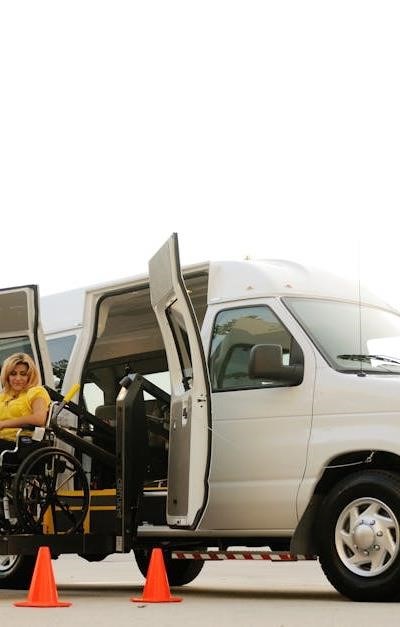
Our RNs conduct environmental safety evaluations․ We recommend modifications such as the installation of grab bars in bathrooms, the removal of throw rugs (a major trip hazard), and the rearrangement of furniture to create clear pathways for walkers or wheelchairs․ Furthermore, we practice “community mobility” protocols, ensuring seniors can safely exit their homes for medical appointments or social engagement, utilizing elevators and ramps safely․
Collaboration with Physical and Occupational Therapists
ProLife Home Care acts as a bridge between acute rehabilitation and long-term maintenance․ When a patient is discharged from a hospital or rehab facility with orders from a Physical Therapist (PT), our RNs incorporate those specific exercises into the daily home care plan․
While PT is often time-limited (e․g․, two sessions a week for six weeks), our home care assistance provides the daily consistency required to maintain the gains made during therapy․ We ensure compliance with the prescribed regimen, reducing the likelihood of readmission due to regression․
Frequently Asked Questions About Senior Mobility Care
Ensure your loved one maintains their independence safely․ Contact ProLife Home Care NYC today․
(718) 232-2777
Call Now
Contact ProLife Home Care NYC for a free clinical assessment:(718) 232 – 2777