Navigating the complexities of aging at home in Queens requires more than just a helping hand; it demands a foundation of clinical excellence and genuine compassion. Families in Middle Village often find themselves at a crossroads when a loved one’s mobility or health begins to decline, causing stress for the entire household. As a Senior NYC Nurse, I have seen firsthand how a structured support system can restore peace of mind while ensuring your parent remains in the community they love. By focusing on professional clinical oversight, we ensure that every senior receives the dignity and specialized attention they deserve in their own residence.
Clinical Quick Answer
A comprehensive Nursing Evaluation is the essential first step for establishing Home care Middle Village Queens, as it identifies medical needs and safety risks within the home environment. This clinical assessment determines the appropriate level of care, ensures compliance with NYC Medicaid standards, and provides a roadmap for chronic disease management. Through ongoing clinical oversight, seniors are protected from unnecessary hospitalizations while maintaining independence in their familiar Queens neighborhood.
The Critical Role of a Nursing Evaluation in Middle Village
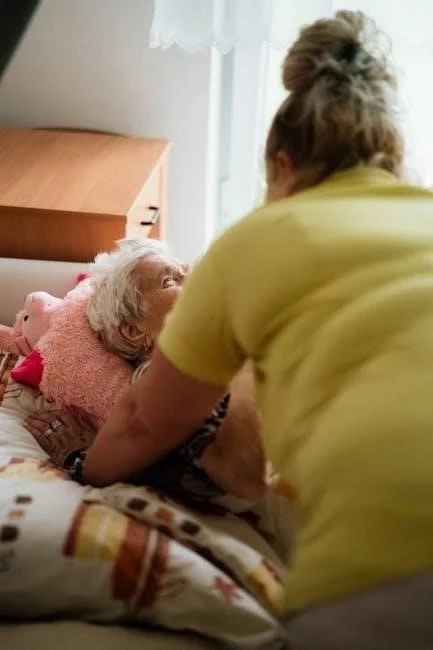
A Nursing Evaluation is far more than a simple checklist; it is a holistic diagnostic tool used by Registered Nurses (RNs) to evaluate a senior’s total well-being. In Middle Village, where many seniors live in multi-generational homes or older two-story houses, the physical environment plays a massive role in health. The nurse begins by assessing vital signs, but quickly moves into a deep dive of the patient's functional status. This includes observing how the individual moves through their kitchen, their ability to navigate stairs, and their cognitive capacity to manage daily tasks. This evaluation serves as the legal and clinical basis for any home care plan, ensuring that the services provided are medically necessary and safe.
- Physical Assessment: Evaluating strength, balance, and gait to prevent falls in the home.
- Cognitive Screening: Checking for signs of dementia or Alzheimer’s that may require specialized supervision.
- ADL Analysis: Determining exactly how much help is needed for bathing, dressing, and toileting.
- Medication Reconciliation: Cross-referencing all prescriptions to prevent dangerous drug interactions.
- Nutritional Review: Assessing the senior’s ability to prepare meals and maintain proper hydration.
Navigating Home Care Middle Village Queens: Eligibility and Access
Securing high-quality Home care Middle Village Queens involves understanding the New York State healthcare landscape. For many residents, this journey starts with Medicaid. To qualify for long-term home care, a senior must demonstrate a medical need for assistance with activities of daily living. This is where the Nursing Evaluation becomes vital. In Queens, the Uniform Assessment System (UAS) is the standard tool used to determine eligibility for Managed Long Term Care (MLTC) plans. These plans provide the funding for home health aides, nursing visits, and physical therapy. Understanding the local infrastructure-from the pharmacies on Metropolitan Avenue to the specialized clinics nearby-is part of how a nurse tailors the care plan to the Middle Village community.
- Medicaid Application: Ensuring the senior meets the financial and clinical criteria for NY State assistance.
- MLTC Enrollment: Choosing a plan that provides the best coverage for Queens-based providers.
- Plan of Care Development: Collaborating with the primary care physician to set health goals.
- Environmental Safety: Identifying the need for grab bars, ramps, or medical equipment like hospital beds.
- Social Determinants of Health: Considering the impact of local transport and social isolation on the patient.
Clinical Oversight and Medication Management
Clinical oversight is the “safety net” that prevents minor health issues from becoming major emergencies. In a home care setting, a Registered Nurse provides ongoing supervision of the Home Health Aide (HHA) or Personal Care Aide (PCA). This oversight includes regular visits to ensure the plan of care is being followed and to adjust for any changes in the patient’s condition. A major component of this is medication management. Many seniors in Middle Village take multiple medications for blood pressure, cholesterol, or diabetes. Without clinical oversight, the risk of skipped doses or accidental double-dosing is high. Nurses implement systems such as pill organizers and automated reminders, while also educating the family on side effects to watch for.
- Regular Nurse Supervision: Scheduled visits to assess the quality of care provided by aides.
- Medication Education: Teaching patients and families about the “why” behind their prescriptions.
- Vital Sign Monitoring: Tracking trends in blood pressure or glucose levels to prevent crises.
- Symptom Management: Early identification of urinary tract infections (UTIs) or respiratory distress.
- Coordination of Care: Acting as a liaison between the home and the doctor’s office.
Chronic Disease Management in the Home Setting
Middle Village seniors often face chronic conditions such as Congestive Heart Failure (CHF), Chronic Obstructive Pulmonary Disease (COPD), or Diabetes. Managing these conditions at home requires a higher level of clinical sophistication. Home care services focus on “hospital-at-home” principles, where the goal is to stabilize the patient and prevent readmissions. For a patient with CHF, this means daily weight monitoring to check for fluid retention. For a diabetic patient, it involves careful skin inspections to prevent non-healing ulcers. By bringing this clinical expertise into the home, we allow seniors to receive treatment in a less stressful environment, which often leads to better recovery outcomes and a higher quality of life.
- Respiratory Support: Managing oxygen therapy and ensuring proper nebulizer use.
- Wound Care: Professional monitoring of surgical sites or pressure sores to prevent infection.
- Diabetes Care: Assisting with insulin administration and monitoring carbohydrate intake.
- Cardiac Monitoring: Ensuring the patient adheres to low-sodium diets and prescribed activity levels.
- Pain Management: Utilizing both pharmacological and non-pharmacological methods to improve comfort.
Safety Protocols and Fall Prevention Strategies
Falls are the leading cause of injury for seniors in Queens, and Middle Village homes-with their unique layouts-present specific challenges. A core part of clinical oversight is a rigorous fall prevention protocol. Nurses conduct a “Walk-Through Assessment,” identifying hazards such as steep basement stairs, loose carpeting, or poor lighting in hallways. Beyond the physical environment, the nurse assesses the patient's “fall risk score” based on their medication profile and muscle strength. We often recommend specific interventions such as physical therapy to improve core strength or the installation of safety devices. These proactive steps are essential for maintaining the senior’s independence and preventing the devastating consequences of a hip fracture or head injury.
- Home Modification Recommendations: Suggesting lighting upgrades and the removal of trip hazards.
- Balance Training: Coordinating with physical therapists to improve the senior’s stability;
- Proper Footwear: Educating families on the importance of supportive, non-slip shoes.
- Emergency Response Systems: Ensuring the patient has access to a “help” button or wearable alert.
- Transfer Safety: Training aides on how to safely move patients from a bed to a wheelchair.
Local Resources and Community Integration
Living in Middle Village offers unique advantages for seniors, and a good home care plan utilizes local resources. From the walking paths at Juniper Valley Park to the local senior centers that offer congregate meals and social activities, community integration is vital for mental health. Our clinical team encourages social engagement as part of the overall health plan. Furthermore, we work closely with the NY State DOH to ensure that all local providers meet the highest standards of care. Whether it is coordinating transportation through Access-A-Ride or connecting families with Queens-based support groups, we believe that home care should be an extension of the vibrant Middle Village community.
- Juniper Valley Park: Encouraging supervised walks for physical and mental stimulation.
- Local Pharmacies: Utilizing neighborhood pharmacists for quick access to essential supplies.
- Senior Centers: Connecting patients with social hubs for arts, crafts, and community.
- Queens Hospital Networks: Ensuring smooth transitions of care between local medical centers.
- Religious and Cultural Groups: Respecting and integrating the diverse cultural heritage of Middle Village.
Nurse Insight: In my experience, the biggest mistake families make is waiting for a “crisis” before seeking a professional Nursing Evaluation. I have seen countless situations where a simple assessment could have identified a fall risk or a medication error before it led to an ER visit. My advice is to be proactive; getting a clinical eyes-on assessment early on doesn’t mean losing independence-it means building the safety net that allows your loved one to stay home much longer.
Frequently Asked Questions
What exactly happens during a Nursing Evaluation for home care in Middle Village?
During a Nursing Evaluation, a Registered Nurse visits the home to assess the senior’s physical health, cognitive status, and environment. The nurse evaluates the ability to perform Activities of Daily Living (ADLs) such as bathing and dressing, reviews all medications, and identifies safety hazards like loose rugs or poor lighting to create a personalized care plan.
How does Home care Middle Village Queens differ from standard companion services?
Clinical home care in Middle Village involves professional oversight by licensed nurses and certified home health aides. Unlike basic companion services, these programs are often covered by NYC Medicaid and include medical monitoring, wound care, and structured assistance with physical limitations under the supervision of a clinical team.
Can a Nursing Evaluation help my parent qualify for Medicaid-funded home care?
Yes, a Nursing Evaluation is a mandatory step in the New York State Medicaid process. It determines the number of hours and level of care required. In Queens, this is typically done through the Uniform Assessment System (UAS) to ensure the senior meets the medical necessity criteria for Managed Long Term Care (MLTC).
Are there specific safety protocols for seniors living in Middle Village homes?
Safety protocols include fall prevention strategies specifically tailored to the architectural styles of Middle Village homes, such as narrow staircases or high-threshold entryways. Clinical oversight ensures that emergency response systems are in place and that the home environment is optimized for aging in place.
How often should a Nursing Evaluation be repeated?
Under New York State guidelines, evaluations are typically conducted every six months. However, a re-evaluation should be requested immediately if there is a significant change in the patient’s condition, such as a hospital discharge, a fall, or a new chronic diagnosis.
Contact ProLife Home Care NYC for a free clinical assessment:(718) 232 – 2777
Contact ProLife Home Care NYC for a free clinical assessment: (718) 232-2777