{
“@context”: “https://schema.org”,
“@type”: “FAQPage”,
“mainEntity”: [
{
“@type”: “Question”,
“name”: “How do I begin the process of obtaining home care in Astoria, Queens?”,
“acceptedAnswer”: {
“@type”: “Answer”,
“text”: “The process starts with a professional nursing assessment NYC residents must undergo to determine medical necessity. You should contact a licensed home care agency or your physician to initiate a referral to a Managed Long-Term Care (MLTC) plan or the local Department of Social Services.”
}
},
{
“@type”: “Question”,
“name”: “What is included in a Nursing Assessment NYC for home-bound seniors?”,
“acceptedAnswer”: {
“@type”: “Answer”,
“text”: “A comprehensive nursing assessment involves an evaluation of the patient’s physical health, cognitive status, medication management needs, and their ability to perform Activities of Daily Living (ADLs) such as bathing, dressing, and walking.”
}
},
{
“@type”: “Question”,
“name”: “Are there specialized home care services available in Astoria for dementia patients?”,
“acceptedAnswer”: {
“@type”: “Answer”,
“text”: “Yes, home care Astoria Queens agencies often provide specialized memory care. This includes caregivers trained in redirection, safety monitoring, and cognitive stimulation specifically designed for seniors living with Alzheimer’s or other forms of dementia.”
}
},
{
“@type”: “Question”,
“name”: “Does Medicaid cover the cost of home care in Queens?”,
“acceptedAnswer”: {
“@type”: “Answer”,
“text”: “Yes, Medicaid is a primary payer for long-term home care services in New York through programs like the Consumer Directed Personal Assistance Program (CDPAP) or traditional licensed home care services, provided the senior meets income and clinical eligibility requirements.”
}
},
{
“@type”: “Question”,
“name”: “How often is the nursing assessment updated for ongoing home care?”,
“acceptedAnswer”: {
“@type”: “Answer”,
“text”: “In New York State, home care recipients typically undergo a re-assessment every six months or whenever there is a significant change in the patient’s medical condition or hospital discharge to ensure the care plan remains appropriate.”
}
}
]
}
Caring for an aging parent or loved one in Astoria is a journey filled with love but often complicated by the complexities of the New York healthcare system. As a senior nurse, I understand the sleepless nights spent worrying if your family member is safe, comfortable, and receiving the right medical attention at home. Our goal is to bridge the gap between hospital discharge and long-term comfort, ensuring your family has the professional support needed to thrive in the familiar surroundings of Queens. By focusing on personalized care plans, we help Astoria families reclaim their peace of mind while their loved ones receive dignity-centered assistance.
Clinical Quick Answer
Professional home care in Astoria, Queens, begins with a comprehensive nursing assessment NYC residents rely on to determine the specific level of clinical and personal support required for safe aging in place. This clinical evaluation reviews medical history, physical mobility, and cognitive health to establish a customized plan of care that coordinates skilled nursing, personal care, and social support. By integrating licensed professionals and family caregivers, home care ensures that seniors receive medical oversight and assistance with daily living activities while remaining in their own community.
The Critical Role of a Nursing Assessment NYC in Establishing Care
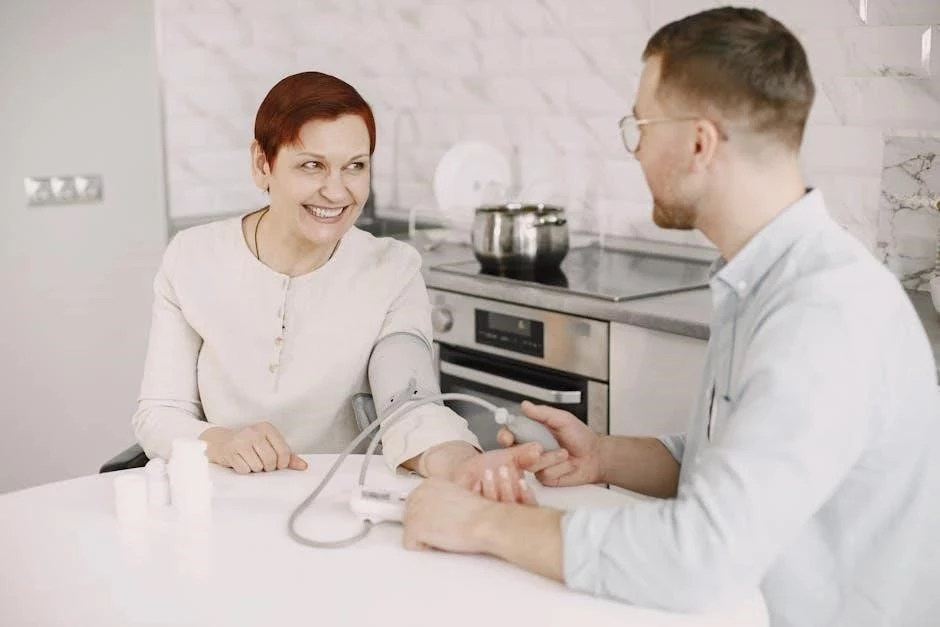
The foundation of any high-quality home care arrangement in New York is the initial nursing assessment NYC families must facilitate. This is not merely a cursory check-up but a deep clinical dive conducted by a Registered Nurse (RN) to evaluate the safety and medical needs of the senior. During this assessment, the nurse utilizes the Uniform Assessment System (UAS-NY), a standardized tool used across the state to determine eligibility for community-based long-term care services. This process looks at more than just vital signs; it scrutinizes the environment for fall risks, assesses the complexity of the patient’s medication regimen, and evaluates the cognitive capacity of the individual to follow medical advice.
- Physical Health Evaluation: Monitoring chronic conditions such as hypertension, diabetes, and heart disease to prevent hospital readmissions.
- Functional Status: Measuring the ability to perform Activities of Daily Living (ADLs) including transferring from bed to chair, toileting, and feeding.
- Cognitive Screening: Identifying early signs of dementia or delirium that may require specialized supervision or behavioral interventions.
- Medication Review: Ensuring that the senior is not suffering from polypharmacy issues or adverse drug interactions.
- Safety Assessment: Evaluating the Astoria home for hazards such as steep stairs, loose rugs, or inadequate lighting.
Understanding Home Care Astoria Queens: Service Models and Options
Navigating the various models of home care Astoria Queens offers can be overwhelming for families. The neighborhood's diverse population requires a flexible approach to care, ranging from traditional agency-based models to consumer-directed programs. In Astoria, where many seniors live in multi-generational homes or rent-controlled apartments, the care must be adapted to the specific living situation. Agencies operating in the 11102, 11103, 11105, and 11106 zip codes typically offer both skilled nursing and non-skilled personal care assistance.
- Skilled Nursing Care: Provided by RNs or LPNs for wound care, injections, and complex clinical monitoring.
- Personal Care Assistants (PCA): Help with hygiene, grooming, and light housekeeping to maintain a clean and safe environment.
- Home Health Aides (HHA): Offer a slightly higher level of care than PCAs, including assistance with simple dressing changes and vital sign monitoring.
- Consumer Directed Personal Assistance Program (CDPAP): A Medicaid program that allows the senior to hire their own caregiver, including family members or friends;
- Companion Care: Focused on social engagement and transportation to local Astoria appointments or senior centers.
Medicaid Eligibility and Managed Long-Term Care (MLTC) in Queens
For many families in Astoria, the cost of long-term care is a significant concern. Most long-term home care services in New York City are funded through Medicaid, which requires both financial and clinical eligibility. Navigating the Medicaid application in Queens involves a detailed review of assets and monthly income. Once a senior is deemed financially eligible, they must enroll in a Managed Long-Term Care (MLTC) plan. The MLTC is responsible for coordinating all the services identified during the nursing assessment NYC. This system is designed to keep seniors out of nursing homes and in their communities for as long as possible.
- Income Limits: Understanding the current Medicaid income and asset thresholds for New York residents.
- Medicaid Spend-Down: Utilizing pooled income trusts to qualify for Medicaid even if income exceeds the standard limits.
- Plan Selection: Choosing an MLTC plan that has a strong network of providers and caregivers in the Astoria area.
- Conflict-Free Evaluation: Participating in the mandatory independent assessment to confirm the need for long-term care services.
- Re-certification: Managing the annual paperwork required to maintain Medicaid and MLTC coverage.
Specialized Care for Chronic Conditions and Post-Hospital Recovery
Astoria seniors often require home care following a stay at Mount Sinai Queens or other local hospitals. The transition from a clinical setting to home is a high-risk period for medical errors and falls. Professional home care Astoria Queens services focus on “transitional care,” which ensures that the hospital's discharge instructions are strictly followed. For those with chronic conditions like Chronic Obstructive Pulmonary Disease (COPD) or Congestive Heart Failure (CHF), ongoing home care provides the daily monitoring necessary to catch symptoms before they escalate into emergencies.
- Post-Surgical Recovery: Managing pain, preventing infection, and assisting with physical therapy exercises at home.
- Dementia and Alzheimer's Care: Implementing routines that reduce agitation and provide a safe environment for those with wandering tendencies.
- Diabetes Management: Assisting with glucose monitoring, insulin administration, and nutritional planning.
- Stroke Rehabilitation: Working with therapists to regain speech, mobility, and independence within the home setting.
- Palliative Care: Focusing on comfort and quality of life for seniors with life-limiting illnesses.
The Importance of Cultural Competence in Astoria Home Care
Astoria is one of the most diverse neighborhoods in the world, and home care must reflect this reality. A nursing assessment NYC must take into account the cultural and linguistic needs of the patient to be truly effective. Whether a family speaks Greek, Spanish, Arabic, or Italian, having a caregiver who understands their language and cultural nuances is vital for building trust. Cultural competence in home care goes beyond language; it includes respecting dietary preferences, religious observances, and family dynamics that influence how care is delivered and accepted.
- Bilingual Caregivers: Matching patients with aides who speak their native language to improve communication and comfort.
- Dietary Respect: Preparing meals that align with the senior's cultural background and nutritional requirements.
- Religious Sensitivity: Accommodating prayer schedules and religious holidays within the care plan.
- Community Integration: Encouraging participation in local Astoria cultural centers and senior clubs.
- Family Dynamics: Recognizing the role of the extended family in the decision-making process for the senior.
Fall Prevention and Home Safety Strategies for Queens Seniors
Falls are the leading cause of injury among seniors in New York City. A primary focus of home care Astoria Queens is the implementation of rigorous fall prevention strategies. Many Astoria homes are older houses with narrow hallways or steep stairs, which present unique challenges for aging individuals. Nurses and physical therapists work together to modify the home environment, while caregivers provide the physical support needed during transfers and ambulation. Education for both the senior and their family is a critical component of these safety protocols.
- Home Modifications: Recommending the installation of grab bars in bathrooms and improved lighting in hallways.
- Balance Training: Incorporating simple exercises into the daily routine to improve strength and stability.
- Footwear Assessment: Ensuring the senior wears supportive, non-slip shoes inside the home.
- Emergency Response Systems: Setting up wearable technology that can alert help if a fall occurs.
- Medication Management: Reviewing medications that may cause dizziness or hypotension, increasing the risk of a fall.
For more detailed information on regulations and rights, you can visit the NY State DOH website.
Nurse Insight: In my experience, the most successful home care outcomes in Astoria happen when the family is actively involved in the initial nursing assessment NYC. Don’t be afraid to speak up about the small details-like your father’s favorite morning routine or your mother’s specific fear of the shower. These nuances help us create a care plan that doesn’t just check clinical boxes but actually restores a sense of normalcy and dignity to your loved one’s life. Communication with the agency is key; never hesitate to ask for a caregiver change if the ‘vibe’ isn’t right, because trust is the most important medicine we provide.
Frequently Asked Questions
How do I know if my loved one qualifies for a nursing assessment NYC?
If your loved one has a chronic illness, physical disability, or cognitive decline that prevents them from safely performing daily tasks like bathing or cooking, they likely qualify for an assessment. You can request this through their primary doctor or by contacting a licensed home care agency in Queens.
Can I choose my own caregiver with home care Astoria Queens services?
Yes, if you enroll in the CDPAP program through Medicaid, you have the right to choose your own caregiver, including a family member. For traditional agency-based care, you can request caregivers who meet specific language or skill requirements.
What happens if the nursing assessment determines my relative needs more hours than I expected?
The assessment is designed to ensure safety. If more hours are recommended, the nurse will provide clinical justification to the MLTC or Medicaid. This is often a relief for families who have been struggling to provide care themselves around the clock.
Is home care in Astoria available 24/7?
Yes, depending on the clinical necessity determined during the nursing assessment NYC, care can range from a few hours a week to 24-hour “live-in” or “split-shift” care for those who require constant supervision or medical monitoring.
How quickly can home care services start after the assessment?
In urgent situations, such as a hospital discharge, services can sometimes be expedited. Generally, once the assessment is complete and the MLTC approves the plan, care can begin within a few days to a week.
Contact ProLife Home Care NYC for a free clinical assessment:(718) 232 – 2777
Contact ProLife Home Care NYC for a free clinical assessment: (718) 232-2777