
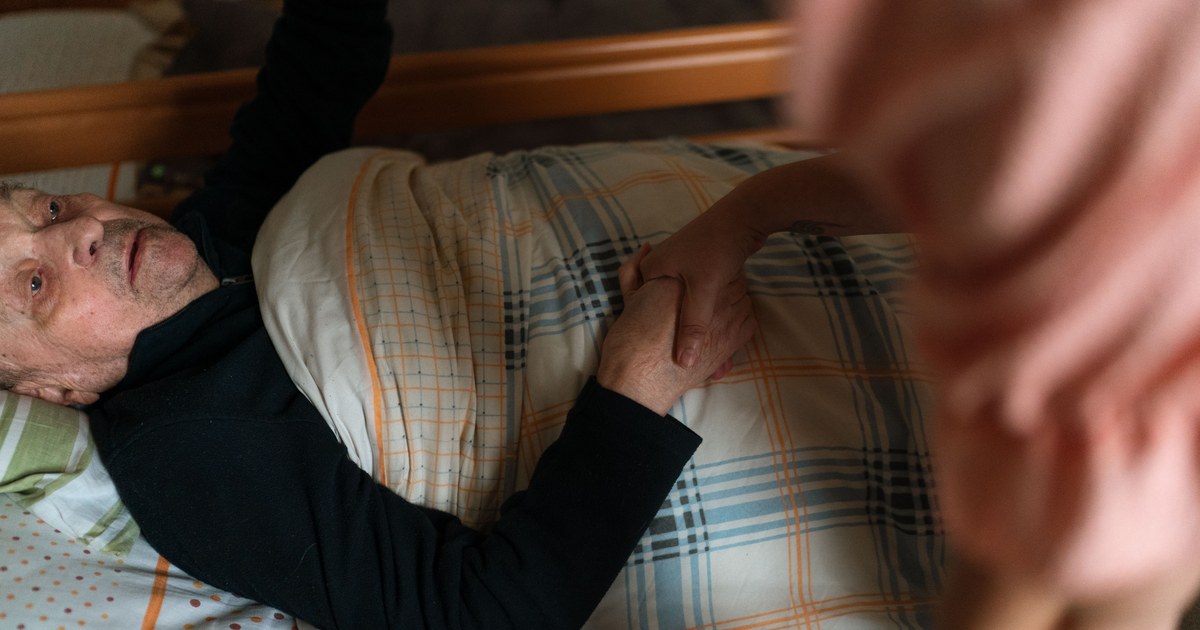
Soulful Transitions: Integrating Faith in Palliative Home Care

19.03.2026 | Verified by Anna Klyauzova, MSN, RN

Navigating the final chapters of life requires a delicate balance of medical expertise and deep spiritual honoring to ensure peace for both the patient and their loved ones. Families seeking end of life spiritual care NYC often find that a faith-integrated approach provides the emotional anchor necessary to weather the complexities of terminal illness. By centering the patient's beliefs and traditions, home-based palliative care becomes more than just symptom management; it becomes a sacred journey of transition. Our focus is to provide a compassionate framework where clinical excellence meets the quiet strength of spiritual resilience.

Clinical Quick Answer

Integrating faith into palliative care ensures that medical interventions align with the patient's core values, reducing existential distress and improving overall quality of life. Professional End-of-Life Clinical Support combines rigorous pain management with spiritual counseling to address the holistic needs of the individual. In the New York City area, this approach is essential for respecting the diverse cultural and religious requirements of a multi-faith population during home-based care.

Fact-Checked by: Anna Klyauzova, MSN, RN - NYC Medicaid Specialist.

The Foundations of End of Life Spiritual Care NYC

In the bustling and diverse landscape of New York City, spiritual care at the end of life is not a one-size-fits-all service. It is a specialized discipline that acknowledges the unique cultural tapestry of the five boroughs. When families look for spiritual support, they are often seeking a bridge between the clinical reality of a diagnosis and the eternal questions of the soul. This integration is vital because it addresses the “total pain” of a patient-a concept that includes physical, psychological, social, and spiritual suffering.

  • Respecting Cultural Pluralism: NYC is home to hundreds of faiths, from Orthodox Judaism in Brooklyn to Catholicism in the Bronx and Islamic traditions in Queens. Clinical teams must be trained to navigate these nuances with humility.
  • Accessing Community Clergy: Effective care involves collaborating with local imams, rabbis, priests, and spiritual leaders to ensure that religious rites are performed according to the patient's wishes within the home setting.
  • Addressing Existential Anxiety: Spiritual care provides a framework for patients to process their legacy, seek forgiveness, and find meaning in their experiences, which significantly lowers the need for heavy sedation in many cases.
  • Creating Sacred Space: Even in a small city apartment, spiritual care practitioners help families create a tranquil environment using icons, prayers, or music that reflects the patient's inner world.
  • Multilingual Support: Recognizing that faith is often expressed in one's native tongue, NYC spiritual care frequently utilizes chaplains who speak Spanish, Mandarin, Russian, or Yiddish.

Comprehensive End-of-Life Clinical Support and Symptom Management

While spiritual needs are paramount, they cannot be fully addressed if a patient is in physical agony. This is where End-of-Life Clinical Support plays a critical role. The synergy between clinical intervention and spiritual peace is the hallmark of high-quality palliative care. Clinical support in this context involves advanced medication management, respiratory support, and wound care, all delivered with an understanding of how these interventions might affect a patient's spiritual practices, such as the ability to pray or remain lucid for final goodbyes.

  • Pain Management vs. Mental Clarity: Clinicians work closely with families to find the “sweet spot” in dosing that controls pain without completely clouding the patient's consciousness, allowing for spiritual engagement.
  • Non-Pharmacological Comfort Measures: Integrating massage, guided imagery, and therapeutic touch as clinical tools that also serve as spiritual conduits for relaxation and presence.
  • 24/7 Clinical Monitoring: Having a nurse available around the clock ensures that any sudden clinical crisis is managed immediately, preventing a traumatic hospital transfer and keeping the patient in their chosen spiritual environment at home.
  • Medication Reconciliation: Ensuring that all end-of-life medications are ethically aligned with the patient's religious beliefs regarding life-sustaining treatments and sedation.
  • Nutritional Support and Faith: Managing the clinical aspects of decreased appetite while respecting religious fasting or dietary laws during the final stages of life.

Navigating Faith-Based Advanced Directives

Integrating faith into home care requires early and clear documentation. Advanced directives are often seen as purely legal documents, but for those prioritizing spiritual care, they are also religious declarations. In NYC, clinical teams must be adept at interpreting these directives through the lens of the patient's faith. This ensures that when the patient can no longer speak for themselves, their clinical care remains a reflection of their lifelong beliefs.

  • Halachic Wills and Jewish Law: For Orthodox patients, clinical support must adhere to specific guidelines regarding the definition of death and the handling of the body, requiring close coordination with a Posek.
  • Catholic Directives: Following the Ethical and Religious Directives for Catholic Health Care Services, particularly regarding the administration of food and water (nutrition and hydration).
  • Islamic Bioethics: Navigating the requirements for modest care (gender-congruent caregivers) and specific positioning of the bed toward Mecca during the final moments.
  • Dignity Therapy: A clinical intervention that records the patient's spiritual and personal legacy, providing a written document for the family to cherish.
  • Conflict Resolution: Using spiritual counselors to mediate when family members disagree on clinical interventions based on different interpretations of religious duty.

The Role of the Interdisciplinary Team in Spiritual Transitions

True integration of faith and medicine requires a team that speaks both languages. The interdisciplinary team (IDT) in NYC home care typically includes a physician, a registered nurse, a social worker, and a board-certified chaplain. This group meets regularly to discuss the patient's status, ensuring that the spiritual care plan is updated as frequently as the clinical care plan. This holistic approach prevents “siloed” care where the body is treated by one person and the soul by another.

  • The Chaplain's Clinical Role: Unlike a local clergy member, a clinical chaplain is trained to work within medical teams, understanding diagnoses and how they impact a person’s faith.
  • Social Workers as Advocates: Helping families navigate the financial and logistical hurdles of NYC home care so that the family can focus on spiritual presence rather than paperwork.
  • Nurse-Led Spiritual Assessment: Nurses often spend the most time with patients; they are trained to recognize “spiritual pain” (guilt, abandonment, or loss of hope) and alert the chaplain.
  • Home Health Aides (HHAs): These frontline workers are often from similar cultural backgrounds as the patient and provide the daily “soulful” interactions that maintain the patient's dignity.
  • Volunteer Services: Many NYC programs offer spiritual volunteers who can sit vigil, read sacred texts, or simply provide a listening ear to the family.

Managing Spiritual Distress and Clinical Crisis

Spiritual distress is a clinical reality that can manifest as restlessness, agitation, or increased sensitivity to pain. When a patient experiences a “dark night of the soul,” the clinical response must be nuanced. Rather than simply increasing sedatives, the team evaluates if the patient is struggling with spiritual trauma or unfinished business. Addressing these concerns can often lead to a “peaceful death” that medications alone cannot achieve.

  • Identifying Spiritual Agitation: Recognizing when physical “terminal restlessness” has a spiritual component, such as fear of the afterlife or unresolved family conflict.
  • Rituals of Release: Implementing clinical and spiritual rituals that help the patient “let go,” such as the anointing of the sick or final prayers of confession.
  • Family-Centered Spiritual Support: Clinical teams provide “anticipatory grief” support to families, helping them process the spiritual significance of their loved one's decline.
  • Ethical Consultations: Providing a framework for families to make difficult decisions about withdrawing life support while staying true to their religious tenets.
  • Bereavement Integration: Spiritual care does not end at the moment of death; it continues through the clinical team's bereavement services, often for up to a year.

Practical Steps for NYC Families Seeking Integrated Care

For families in Manhattan, Brooklyn, or the other boroughs, finding the right provider for end of life spiritual care NYC involves asking specific questions. It is important to know if the agency has experience with your specific faith tradition and how they coordinate with clinical staff. Home care is a partnership, and the more the clinical team knows about your spiritual goals, the better they can tailor their support.

  • Interviewing Agencies: Ask potential home care providers about their experience with “culturally competent care” and their access to diverse chaplains.
  • Reviewing the Care Plan: Ensure that spiritual preferences-such as “no music during prayer times” or “specific icons at the bedside”-are written directly into the clinical care plan.
  • Medicaid and Medicare Coverage: Understanding that spiritual care is a mandated component of the hospice benefit under Medicare and many NYC Medicaid Managed Care plans.
  • Emergency Planning: Knowing who to call (clinically and spiritually) when death is imminent to ensure the proper religious protocols are followed immediately.
  • Leveraging NYC Resources: Utilizing city-specific organizations like the Visiting Nurse Service or Jewish Board services that have specialized faith-based wings.

Nurse Insight: In my experience, the most peaceful transitions occur when the family feels empowered to pray or perform rituals alongside our clinical checks. I remember a case in Queens where the patient was very agitated; we realized it wasn’t just pain, but a need to hear a specific chant from his temple. Once we integrated that recording into his hourly care routine, his heart rate stabilized, and we were able to reduce his pain medication by half. Never underestimate the clinical power of a soul at peace.

Frequently Asked Questions

What is the difference between religious care and spiritual care in NYC home care?
Religious care focuses on specific traditions, rites, and dogmas of an established faith (like the Sacraments or Kosher laws). Spiritual care is broader, addressing the human need for meaning, connection, and peace, which applies to both religious and secular patients. Most providers of end of life spiritual care NYC are trained to offer both, depending on the patient’s personal preference.

Does insurance cover spiritual care as part of clinical support?
Yes, when provided through a certified hospice or palliative care program, spiritual care is a covered benefit under Medicare, NYC Medicaid, and most private insurance plans. It is considered an essential part of End-of-Life Clinical Support, ensuring that the interdisciplinary team is fully funded to provide chaplains and social workers alongside nurses.

How do clinicians handle religious objections to certain pain medications?
Clinicians use a “shared decision-making” model. If a patient or family objects to certain medications (like opioids) due to faith-based concerns about consciousness, the clinical team explores alternative methods like nerve blocks, topical treatments, or lower-dose combinations. The goal is to honor the spiritual priority of the patient while preventing suffering.

Can we bring our own priest or rabbi into the home care clinical plan?
Absolutely. Professional home care teams in NYC encourage the involvement of the patient's own spiritual community. The agency's chaplain will often act as a liaison, ensuring your clergy member is kept informed of the patient's clinical status so they can provide the most appropriate spiritual support at the right time.

What happens if our family is not religious but still wants spiritual support?
Spiritual care is highly beneficial for non-religious families as well. It focuses on legacy work, reconciliation with estranged family members, and finding personal peace. Chaplains are trained to provide “humanistic” support, focusing on the patient’s life achievements and their connection to nature, art, or the community.

Contact ProLife Home Care NYC for a free clinical assessment:(718) 232 – 2777

Contact ProLife Home Care NYC for a free clinical assessment: (718) 232-2777