{
“@context”: “https://schema.org”,
“@type”: “FAQPage”,
“mainEntity”: [
{
“@type”: “Question”,
“name”: “What are the benefits of home care for cancer patients in NYC?”,
“acceptedAnswer”: {
“@type”: “Answer”,
“text”: “Home care allows NYC seniors to receive specialized medical attention in a familiar, low-stress environment, reducing the risk of hospital-acquired infections and eliminating the physical strain of commuting to Manhattan clinics. It provides personalized monitoring of chemotherapy side effects and ensures that nutritional and emotional needs are met alongside clinical requirements.”
}
},
{
“@type”: “Question”,
“name”: “How do nurse services assist with chemotherapy side effects at home?”,
“acceptedAnswer”: {
“@type”: “Answer”,
“text”: “Skilled nurses provide intravenous hydration, administer anti-emetic medications, monitor for signs of neutropenia or infection, and manage wound care for port-a-cath or PICC line sites. They act as a critical bridge between the patient and their oncologist, identifying complications before they require emergency room visits.”
}
},
{
“@type”: “Question”,
“name”: “Is home nursing for seniors covered by Medicaid in New York?”,
“acceptedAnswer”: {
“@type”: “Answer”,
“text”: “Yes, New York Medicaid covers various home care services through Managed Long-Term Care (MLTC) plans or the Consumer Directed Personal Assistance Program (CDPAP). Eligibility depends on clinical necessity and financial standing, often requiring an assessment by the Conflict-Free Evaluation and Enrollment Center (CFEEC).”
}
},
{
“@type”: “Question”,
“name”: “What specific clinical tasks do oncology nurses perform at home?”,
“acceptedAnswer”: {
“@type”: “Answer”,
“text”: “Clinical tasks include blood draws for lab work, medication reconciliation to prevent drug interactions, pain management titration, vital sign monitoring, and education for family caregivers on how to handle hazardous chemotherapy waste safely.”
}
}, {
“@type”: “Question”,
“name”: “How can families in NYC find reliable specialized nursing for chemo?”,
“acceptedAnswer”: {
“@type”: “Answer”,
“text”: “Families should look for Licensed Home Care Services Agencies (LHCSAs) that specialize in oncology or geriatric care. It is essential to verify that the agency is registered with the NY State Department of Health and employs Registered Nurses (RNs) with specific experience in cancer recovery.”
}
}
]
}
Navigating a cancer diagnosis is an overwhelming journey for any family, but in the fast-paced environment of New York City, the challenges can feel even more profound for our seniors. As a nurse who has walked through countless Brooklyn brownstones and Queens apartments, I know that the comfort of home is often the best medicine for a soul weary from chemotherapy. My mission is to ensure that your loved one receives the highest caliber of clinical care without the added stress of navigating the MTA or busy hospital waiting rooms. Together, we can create a sanctuary of healing where medical expertise meets the warmth of family life.
Clinical Quick Answer
Professional home care for cancer patients NYC involves the delivery of specialized Nurse Services that focus on managing the acute side effects of chemotherapy, such as neuropathy, nausea, and immunosuppression, within the patient’s residence. These services include skilled monitoring of vital signs, administration of supportive medications, and coordination with oncology teams to prevent unnecessary hospitalizations. By integrating clinical oversight with geriatric-specific protocols, home nursing ensures that NYC seniors maintain their independence and safety during rigorous treatment cycles.
Comprehensive Home Care for Cancer Patients NYC: A Clinical Overview
Home care for cancer patients NYC has evolved significantly, moving beyond basic assistance to provide sophisticated clinical interventions once reserved for the hospital setting. For seniors in the five boroughs, the logistical hurdles of attending frequent appointments at major centers like Memorial Sloan Kettering or Mount Sinai can be exhausting. Specialized home care bridges this gap by bringing the clinic to the living room.
- Post-Chemotherapy Monitoring: Continuous assessment of the patient’s response to cytotoxic drugs, focusing on delayed reactions that may occur 24 to 72 hours post-infusion;
- Infection Control: Strict adherence to neutropenic precautions, ensuring the home environment is optimized to protect patients with compromised immune systems.
- Laboratory Coordination: Facilitating mobile phlebotomy services to ensure that blood counts are monitored without the patient needing to travel.
- Multidisciplinary Communication: Acting as the primary liaison between the patient, the oncologist, the primary care physician, and the family.
The goal is to provide a seamless transition from the infusion center to the home, ensuring that the rigorous standards of oncology care are maintained in a more comfortable, private setting. This is particularly vital for NYC seniors who may deal with mobility issues or the cognitive “fog” often associated with intensive treatment.
Essential Nurse Services for Chemotherapy Management
In the context of cancer recovery, Nurse Services are the backbone of a successful home-based treatment plan. These are not merely supportive roles; they are highly technical positions requiring deep knowledge of pharmacology and geriatric physiology. For a senior undergoing chemo, the presence of a Registered Nurse (RN) can mean the difference between a manageable recovery and a medical crisis.
- Vascular Access Device Care: Expert management of PICC lines and Port-a-Caths, including flushing, dressing changes, and monitoring for signs of thrombosis or infection.
- Symptom Titration: Adjusting p.r.n; (as needed) medications for pain, nausea, and anxiety based on real-time clinical assessments.
- Hydration Therapy: Administering IV fluids to combat dehydration, a common and dangerous complication for seniors undergoing aggressive chemotherapy regimens;
- Wound and Skin Care: Managing radiation burns or surgical sites, and preventing pressure ulcers in patients who may be bedbound due to fatigue.
By providing these services at home, nurses reduce the “white coat hypertension” often seen in elderly patients, allowing for more accurate physiological readings and a more honest assessment of the patient’s daily functional status. This level of personalized attention is difficult to achieve in a high-volume outpatient clinic.
Managing Geriatric-Specific Challenges in Oncology
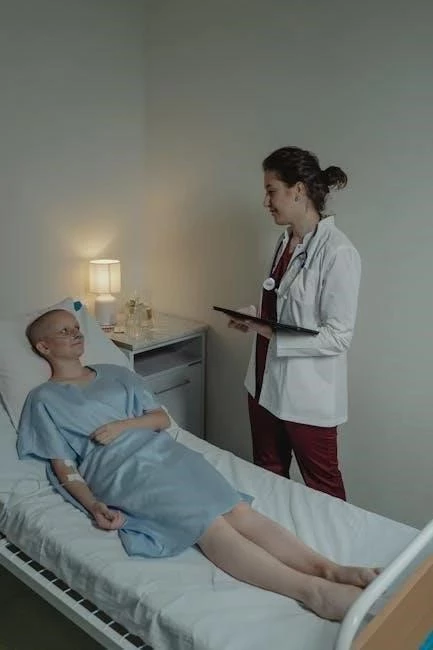
Seniors face unique physiological challenges when undergoing cancer treatment. Home care for cancer patients NYC must account for comorbidities such as diabetes, hypertension, or heart disease, which can be exacerbated by chemotherapy. A specialized nurse looks at the patient holistically, rather than just focusing on the oncology diagnosis.
- Polypharmacy Oversight: Carefully reviewing all medications to prevent dangerous interactions between chemotherapy agents and long-term prescriptions for chronic conditions.
- Fall Prevention: Conducting environmental assessments of NYC apartments-which often have narrow hallways or steep stairs-to minimize the risk of falls during periods of chemo-induced weakness.
- Cognitive Support: Monitoring for “chemo-brain” or delirium, which can be particularly disorienting for seniors with underlying mild cognitive impairment.
- Nutritional Intervention: Developing high-calorie, high-protein meal plans that cater to the patient’s changing taste buds and cultural preferences, ensuring they maintain the strength required for treatment.
Addressing these geriatric-specific needs requires a nurse who is trained in both oncology and gerontology. In NYC, where many seniors live in walk-up apartments or high-rise buildings, the logistics of daily life require creative clinical solutions to ensure safety and compliance with treatment protocols.
Navigating NYC Medicaid and State Resources
Understanding how to fund and access home care for cancer patients NYC is a major hurdle for many families. New York State offers some of the most robust home care programs in the country, but the bureaucracy can be daunting. It is essential to utilize resources from the NY State DOH to understand your rights and options.
- MLTC Plans: Managed Long-Term Care plans are the primary vehicle for Medicaid-funded home care in NYC, providing a dedicated coordinator to manage Nurse Services.
- CDPAP: The Consumer Directed Personal Assistance Program allows seniors to choose their own caregivers, which can include family members, while still receiving clinical oversight from a lead agency.
- CHHA Services: Certified Home Health Agencies provide short-term, acute nursing care following hospital discharges, often covered by Medicare.
- State-Wide Advocacy: Programs like the Office for the Aging provide additional support for NYC residents over 60, including transportation and meal delivery services.
Securing these benefits often requires a clinical assessment to prove medical necessity. A specialized nurse can assist in documenting the patient’s functional limitations and clinical needs to ensure they receive the maximum hours of care allowed under their plan, alleviating the financial and physical burden on the family.
The Role of Emotional and Palliative Support
Cancer care is not solely about physical symptoms; it is an emotional marathon. Professional Nurse Services in NYC integrate palliative principles to improve the quality of life for both the patient and their caregivers. This involves open communication about prognosis, goals of care, and the management of psychological distress.
- Caregiver Coaching: Teaching family members how to safely assist with transfers, recognize emergency symptoms, and manage their own stress.
- Anticipatory Guidance: Preparing the family for the expected progression of treatment side effects, reducing fear of the unknown.
- Grief and Anxiety Counseling: Providing a compassionate ear and referring families to NYC-based support groups and mental health professionals specializing in oncology.
- Spiritual and Cultural Sensitivity: Respecting the diverse backgrounds of NYC residents, ensuring that care plans align with the patient’s values and religious beliefs.
In many cases, the home care nurse becomes an honorary member of the family. This trust is the foundation upon which effective clinical care is built. When a patient feels seen and understood as a person, their resilience during chemotherapy is significantly bolstered.
Technological Integration in NYC Home Nursing
The modern landscape of home care for cancer patients NYC increasingly relies on technology to enhance safety and communication. Remote monitoring and telehealth have become standard tools for nurses operating in the field, allowing for instantaneous consultation with specialists.
- Remote Patient Monitoring (RPM): Using digital scales, pulse oximeters, and blood pressure cuffs that send data directly to the nursing agency’s portal.
- Tele-Oncology: Facilitating video calls between the patient at home and their oncologist at a Manhattan medical center, saving hours of travel time.
- Digital Medication Dispensers: Implementing smart pillboxes that alert the nurse or family if a senior misses a critical dose of oral chemotherapy or supportive meds.
- Electronic Health Records (EHR): Ensuring that the home care nurse has real-time access to the latest lab results and imaging reports from the hospital.
As we look to the future, the integration of these technologies will allow even more complex treatments to be administered safely at home. For NYC seniors, this means less time in the hospital and more time in the comfort of their own neighborhoods, surrounded by the people and things they love.
Nurse Insight: In my experience, the biggest challenge for NYC families isn’t the medical complexity of chemo-it’s the exhaustion of the city itself. I once cared for a gentleman in a 4th-floor walk-up in Astoria who was skipping his treatments because he simply couldn’t face the stairs and the subway. By bringing skilled Nurse Services to him, we stabilized his hydration and managed his nausea so well that he regained the strength to complete his cycle. Never underestimate how much the environment impacts clinical outcomes; a calm, managed home environment can literally change the trajectory of a senior’s cancer journey.
Frequently Asked Questions
What are the benefits of home care for cancer patients in NYC?
The primary benefits include reduced exposure to infections, personalized one-on-one attention, and the elimination of the physical stress associated with traveling to NYC hospitals. Home care ensures that the patient’s specific routine and environment are integrated into their recovery plan, which is crucial for the mental well-being of seniors.
How do nurse services assist with chemotherapy side effects at home?
Nurses provide active symptom management, such as administering anti-nausea medication via IV if oral meds aren’t staying down, monitoring for dehydration, and checking for early signs of infection (like a low-grade fever) that could become life-threatening for a chemo patient. They also provide expert care for the infusion sites.
Is home nursing for seniors covered by Medicaid in New York?
Yes, New York Medicaid covers home nursing through various programs like MLTC and CDPAP. The patient must undergo a clinical assessment to determine the level of care required. Many NYC seniors find that Medicaid-funded home care is a vital resource that allows them to remain at home rather than entering a skilled nursing facility.
What specific clinical tasks do oncology nurses perform at home?
Tasks include port-a-cath maintenance, blood draws, intramuscular injections of bone-marrow-stimulating drugs, medication reconciliation, vital sign trending, and intensive patient education regarding the signs of oncological emergencies.
How can families in NYC find reliable specialized nursing for chemo?
Families should start by consulting their oncologist’s social work department for a list of preferred agencies. It’s important to ask if the agency has experience with “high-tech” nursing and oncology-specific protocols. Checking for licensure with the NY State Department of Health is a mandatory step in the vetting process.
Contact ProLife Home Care NYC for a free clinical assessment:(718) 232 – 2777
Contact ProLife Home Care NYC for a free clinical assessment: (718) 232-2777