Step by Step: Managing Diabetic Neuropathy Risks at Home

28.03.2026 | Verified by Anna Klyauzova, MSN, RN

As a senior registered nurse practicing in New York City, I have witnessed firsthand how the unique environment of our city homes can impact chronic disease management. Diabetic neuropathy in-home safety NYC is a critical concern because our apartments often feature narrow hallways, uneven flooring, and high-heat radiators that pose specific risks to those with loss of sensation. Implementing a structured, step-by-step safety plan is the most effective way to protect your health and maintain your independence while living in the five boroughs.

Managing diabetic neuropathy risks at home requires a combination of environmental modifications and rigorous personal hygiene routines. By prioritizing Diabetic Ulcer Prevention through daily foot inspections and removing physical obstacles that cause falls, patients can significantly reduce their risk of hospitalization. Maintaining stable blood sugar levels and utilizing professional home care services further ensures that minor issues do not escalate into major medical emergencies.

In the clinical landscape of New York, the most common mistake I see involves “silent injuries” caused by the city's aging infrastructure. Many patients with neuropathy suffer severe burns from exposed steam pipes or hot bath water because they cannot feel the temperature, or they develop infections from walking barefoot on hardwood floors that may have small splinters or debris. True safety begins with acknowledging that your feet can no longer provide the sensory warnings your brain relies on, making visual inspections and external thermometers absolute necessities.

Understanding the Importance of Diabetic Neuropathy In-Home Safety NYC

Living with diabetic neuropathy in a fast-paced environment like New York City presents a unique set of challenges. Neuropathy is a type of nerve damage that most often affects the legs and feet. For residents living in Manhattan, Brooklyn, or the Bronx, the physical demands of city life-such as walking long blocks or navigating subway stairs-mean that the feet are under constant stress. When nerve damage occurs, the body loses its ability to signal pain, heat, or cold. This lack of sensation is the primary driver behind the need for comprehensive Diabetic neuropathy in-home safety NYC protocols.

In a typical NYC apartment, space is often at a premium. Small living quarters can lead to cluttered walkways, which are hazardous for someone whose balance might be compromised by neuropathy. Furthermore, the reliance on older heating systems, such as steam radiators, creates a high risk for contact burns. Understanding these specific local risks is the first step in creating a safe haven at home. Without a proactive approach, a simple stubbed toe or a small blister can quickly turn into a non-healing wound, leading to the risk of amputation. Therefore, safety is not just about comfort; it is about limb preservation and long-term quality of life.

Step-by-Step Guide to Diabetic Ulcer Prevention

Diabetic Ulcer Prevention is a cornerstone of managing neuropathy; An ulcer is an open sore or wound that occurs in approximately 15 percent of patients with diabetes and is commonly located on the bottom of the foot. In New York, where we walk more than the average American, the risk of friction-related ulcers is even higher. To prevent these complications, a strict daily routine must be followed.

  • Daily Visual Inspections: Use a hand-held mirror or ask a family member to check the soles of your feet every single night. Look for redness, swelling, blisters, or any breaks in the skin. Because you may not feel a pebble in your shoe or a cut from a rug edge, your eyes must do the work your nerves cannot.
  • Proper Footwear Indoors: Never walk barefoot, even inside your home. In NYC apartments, floors can be cold, or there may be small objects like crumbs or staples that can puncture the skin. Wear well-fitted slippers with a hard sole to provide protection and support.
  • Moisturizing with Caution: Keep the skin on your feet soft to prevent cracking, but never apply lotion between the toes. Moisture trapped between toes can lead to fungal infections, which compromise skin integrity and lead to ulcers.
  • Toenail Care: Cut toenails straight across and file the edges. If you have thickened nails or poor vision, seek a podiatrist in NYC to handle this task. Professional nail care is a vital component of Diabetic Ulcer Prevention.
  • Socks Matter: Wear moisture-wicking socks without tight elastic bands. Tight socks can restrict circulation, which is already often compromised in diabetic patients, slowing down the healing process of any potential wounds.

Modifying Your New York City Home for Maximum Safety

When we discuss Diabetic neuropathy in-home safety NYC, we must look at the physical layout of the home. Most NYC apartments were not built with modern accessibility in mind. However, several practical steps can be taken to minimize risk.

First, address the lighting. Dimly lit hallways are a recipe for disaster. Ensure that every room, especially the path from the bed to the bathroom, is brightly lit. Motion-sensor nightlights are an excellent addition for those midnight trips to the kitchen or bathroom. Second, evaluate your flooring. Area rugs and “throw rugs” are common in NYC homes to dampen sound and provide warmth, but they are major trip hazards. Secure them with non-slip backing or, ideally, remove them entirely to create a clear, flat walking surface.

Bathroom safety is another critical area. Install grab bars in the shower and next to the toilet. Since neuropathy can affect your sense of balance (proprioception), having a sturdy handle can prevent falls on slippery tiles. Additionally, always use a bath thermometer. Set your water heater to no higher than 120 degrees Fahrenheit. Before stepping into a tub or shower, test the water with your elbow or a thermometer, never your feet, to ensure it is safe.

The Clinical Risk of Neglect and Timing

Timing is everything when managing neuropathy. In my years as an RN, I have seen that the window between a minor irritation and a major infection is incredibly small for diabetic patients. In the high-humidity summers of New York or the salt-covered sidewalks of winter, the feet are exposed to various irritants. If a patient ignores a small red spot on Monday, it could be a full-thickness ulcer by Friday. This is why “watchful waiting” is never the correct strategy for Diabetic neuropathy in-home safety NYC.

The risk is compounded by peripheral vascular disease, which often accompanies diabetes. This means that even if you catch a wound early, the blood flow to the area may be insufficient to heal it without medical intervention. Clinical management must be aggressive. This includes regular visits to a New York-based vascular specialist or podiatrist and ensuring that your home care team is trained specifically in diabetic skin assessments. Waiting for pain to manifest is a mistake because, with neuropathy, the pain may never come until the infection has reached the bone (osteomyelitis).

Managing Blood Sugar and Nutrition at Home

While physical safety and Diabetic Ulcer Prevention are about external factors, internal management is equally important. High blood sugar levels are toxic to nerve fibers. The better your glucose control, the slower the progression of neuropathy. In a city like New York, where takeout and convenience foods are everywhere, maintaining a diabetic-friendly diet requires discipline.

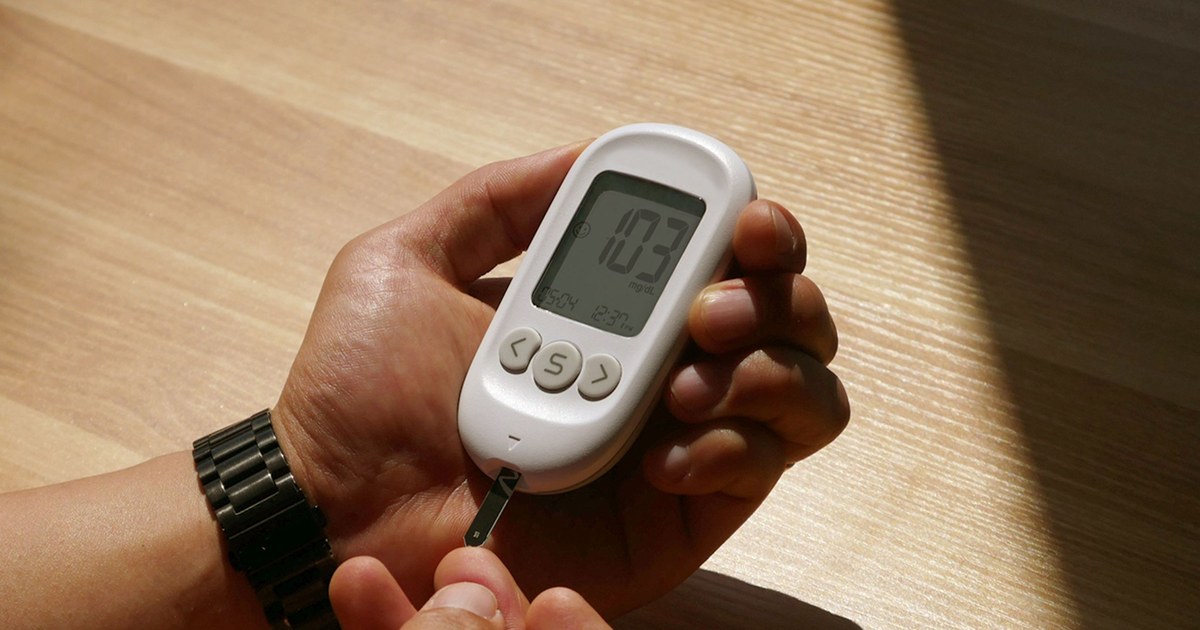
  • Consistent Monitoring: Keep your glucometer in a visible, easy-to-reach place. Track your numbers and share them with your NYC healthcare provider regularly.
  • Meal Planning: Focus on high-fiber vegetables, lean proteins, and complex carbohydrates. Reducing spikes in blood sugar protects the remaining nerve function you have.
  • Hydration: Proper hydration helps maintain skin elasticity, making it less likely to tear or crack. This is especially important during the dry winter months when NYC apartments are overheated.
  • Vitamin B12: Many diabetic medications can interfere with B12 absorption, which is essential for nerve health. Discuss supplements with your doctor to support nerve regeneration.

Utilizing Professional Home Care in the Five Boroughs

Sometimes, managing the complexities of Diabetic neuropathy in-home safety NYC is too much for a patient or their family to handle alone. This is where professional home care becomes an invaluable asset. A visiting nurse or a trained home health aide can provide a second set of eyes, performing the thorough foot checks and environmental assessments that prevent complications. They can also assist with medication adherence, ensuring that the treatments prescribed by your NYC specialists are followed precisely.

Professional caregivers also offer peace of mind. For families living in different boroughs or out of state, knowing that a professional is monitoring their loved one's foot health and home environment reduces the stress associated with chronic disease management. Home care providers are trained to spot the subtle changes in skin color or temperature that indicate the start of an ulcer, allowing for immediate intervention before the situation becomes a crisis.

ProLife Home Care is dedicated to providing high-quality, personalized support for New Yorkers managing the daily challenges of chronic conditions. Our specialized focus on Diabetic Ulcer Prevention ensures that patients receive the vigilant care necessary to stay safe and healthy in their own homes. To learn more about how we can support your journey toward better health, visit ProLife Home Care.

ServiceWhat It IncludesWhy It Matters<br />
Environmental Safety AuditReview of lighting, rugs, and bathroom hazardsPrevents falls and burns in NYC apartments
Professional Foot MonitoringDaily inspection for redness, blisters, or soresEssential for Diabetic Ulcer Prevention
Medication ManagementAssistance with insulin and neuropathy medicationsKeeps blood sugar stable and reduces nerve pain
Nutritional CounselingGuidance on diabetic-friendly meal prepSlows the progression of nerve damage
Circulation SupportMonitoring for swelling and skin temperature changesEnsures early detection of vascular issues
Contact ProLife Home Care NYC for a free clinical assessment:(718) 232 – 2777

Frequently Asked Questions

How do I start managing diabetic neuropathy risks at home?

Begin by clearing all walking paths of clutter and rugs, and establish a nightly routine of checking your feet with a mirror.

What are the first steps in Diabetic Ulcer Prevention?

The first steps include never walking barefoot, wearing moisture-wicking socks, and inspecting your feet daily for any signs of irritation or injury.

Why is NYC apartment safety different for neuropathy patients?

NYC apartments often have specific hazards like exposed steam pipes, cramped spaces, and uneven floors that increase the risk of undetected burns and falls;

How often should I check my feet if I have neuropathy?

You must check your feet at least once a day, preferably at night, to ensure no injuries occurred during your daily activities.

What equipment is needed for in-home safety for neuropathy?

Essential equipment includes a sturdy hand-held mirror for foot checks, a water thermometer for the bath, and high-quality motion-sensor nightlights.

Contact ProLife Home Care NYC for a free clinical assessment: (718) 232-2777