{
“@context”: “https://schema.org”,
“@type”: “FAQPage”,
“mainEntity”: [
{
“@type”: “Question”,
“name”: “How does NYC veterans homeownership counseling assist with aging in place?”,
“acceptedAnswer”: {
“@type”: “Answer”,
“text”: “NYC veterans homeownership counseling provides specialized guidance on navigating property tax exemptions, VA-backed refinancing for home modifications, and legal protections that allow seniors to remain in their homes while receiving medical care.”
}
},
{
“@type”: “Question”,
“name”: “What are the primary clinical benefits of housing stability for older veterans?”,
“acceptedAnswer”: {
“@type”: “Answer”,
“text”: “Stability reduces chronic cortisol levels associated with housing insecurity, leading to better cardiovascular health, improved medication adherence, and a significant reduction in the progression of cognitive decline.”
}
},
{
“@type”: “Question”,
“name”: “Can NYC veterans access financial aid for home repairs related to disability?”,
“acceptedAnswer”: {
“@type”: “Answer”,
“text”: “Yes, programs such as the Specially Adapted Housing (SAH) grant and local NYC initiatives provide funding for ramps, walk-in tubs, and other essential modifications to ensure a safe clinical environment at home.”
}
},
{
“@type”: “Question”,
“name”: “Is there a link between homeownership and mental health in the veteran population?”,
“acceptedAnswer”: {
“@type”: “Answer”,
“text”: “Homeownership provides a sense of agency and permanence that is therapeutic for veterans managing PTSD or anxiety, acting as a structural anchor that supports long-term psychological recovery.”
}
},
{
“@type”: “Question”,
“name”: “Who should I contact for immediate assistance with veteran housing and care in NYC?”,
“acceptedAnswer”: {
“@type”: “Answer”,
“text”: “Veterans should reach out to the NYC Department of Veterans Services or =Contact ProLife for comprehensive support regarding homeownership, healthcare navigation, and family resources.”
}
}
]
}
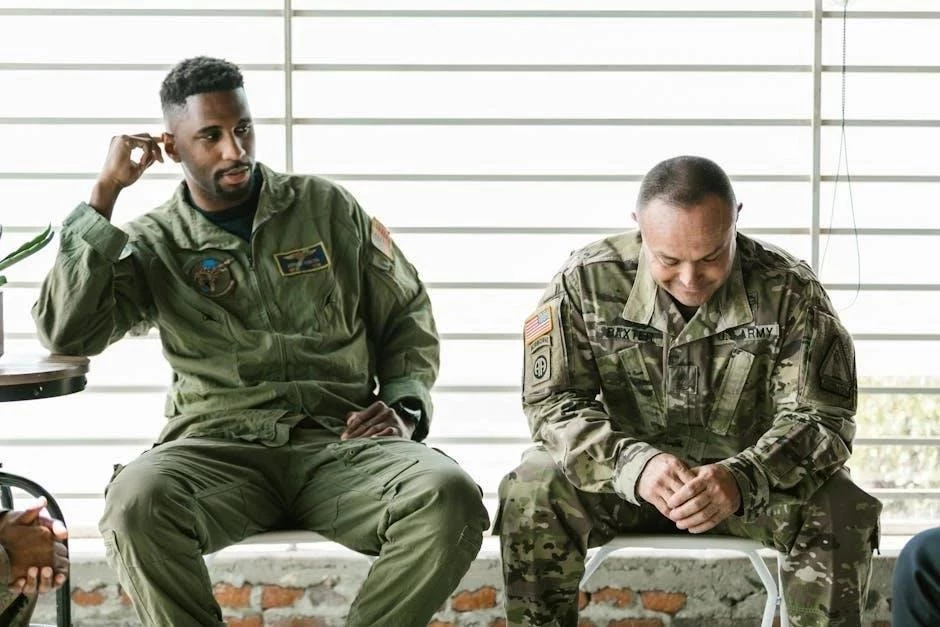
As a senior nurse serving the New York City community for over two decades, I have witnessed the profound impact that a stable home has on the health of our aging veterans. For the families who have sacrificed so much, the transition into the golden years should be marked by security rather than the anxiety of housing instability. When a veteran has a permanent roof over their head, we see significantly better outcomes in managing chronic conditions and psychological well-being. It is my mission to ensure that every veteran family understands the clinical and logistical resources available to them in our great city.
Clinical Quick Answer
Housing stability is a critical social determinant of health that directly influences the longevity and quality of life for aging veterans in NYC. By utilizing NYC veterans homeownership counseling, former service members can access specialized financial protections and home modification grants that facilitate safe aging-in-place. These resources, combined with professional clinical guidance, create a foundation for effective long-term disease management and family stability.
The Clinical Connection Between Housing and Geriatric Health
In the field of geriatric nursing, we often discuss the ‘Social Determinants of Health,’ and housing is at the very top of that list. For a veteran residing in New York City, the physiological stress of potential displacement can exacerbate pre-existing conditions such as hypertension, diabetes, and heart disease. Chronic stress triggers a prolonged inflammatory response in the body, which accelerates the aging process and complicates clinical interventions. When a veteran is securely housed, their autonomic nervous system can shift from a state of ‘fight or flight’ to ‘rest and digest,’ allowing for more effective healing and stabilization.
- Reduction in hospital readmission rates due to stable environment control.
- Improved medication compliance when patients have a dedicated, permanent space for storage and administration;
- Lowered risk of ‘Housing Insecurity Syndrome,’ a condition characterized by high levels of cortisol and anxiety.
- Enhanced ability to perform Activities of Daily Living (ADLs) in a familiar, customized setting.
- Better integration of home-based primary care services and visiting nurse check-ups.
Navigating NYC Veterans Homeownership Counseling
The landscape of NYC real estate is notoriously difficult to navigate, but for veterans, there are specific lifelines designed to protect their investment and their health. Engaging with NYC veterans homeownership counseling is the first step toward securing a stable future. these counseling services are not merely about mortgages; they provide a holistic look at the veteran’s financial health, including property tax exemptions and foreclosure prevention. For the aging veteran, this counseling acts as a preventative clinical measure, ensuring that the financial burdens of the city do not translate into physical health crises. These programs often bridge the gap between VA benefits and New York State specific protections.
- Access to the Veteran Property Tax Exemption, which significantly lowers the cost of living for seniors on fixed incomes.
- Guidance on the NYC Water Board’s Senior Citizen Homeowners’ Assistance Program (SCHAP).
- Specialized advice on VA Home Loan Centers that focus on the unique challenges of the five boroughs.
- Connection to legal services that protect elderly homeowners from predatory lending and deed theft.
- Strategic planning for passing the home to the next generation, ensuring family legacy and stability.
Home Modifications and Falls Prevention
From a clinical perspective, the safety of the physical environment is paramount for aging veterans. Falls are the leading cause of injury-related hospitalizations for seniors in NYC. Through various grants and veteran-specific programs, homeowners can modify their living spaces to meet their evolving physical needs. This ‘Universal Design’ approach allows veterans to age in place with dignity. These modifications are often funded through the VA’s HISA (Home Improvements and Structural Alterations) grant or through local non-profit partnerships. Ensuring the home is a safe clinical environment reduces the burden on family caregivers and prevents catastrophic injuries.
- Installation of walk-in tubs and grab bars to prevent bathroom slips.
- Implementation of non-slip flooring and the removal of architectural barriers like high thresholds.
- Upgrading lighting systems to assist veterans with visual impairments or macular degeneration.
- Installation of smart home technology for remote monitoring and emergency alerts.
- Building ramps and widening doorways for veterans who utilize wheelchairs or walkers.
Mental Health Benefits of Residential Stability
For many veterans, the home is more than just a shelter; it is a sanctuary that provides a sense of agency and control. Veterans managing Post-Traumatic Stress Disorder (PTSD) or Traumatic Brain Injuries (TBI) often find that a consistent, predictable environment is essential for symptom management. Displacement or the threat of losing one’s home can trigger severe psychological regression. By securing homeownership, we provide a ‘structural anchor’ that supports psychiatric stability. Furthermore, for those experiencing early-stage dementia or Alzheimer’s, staying in a familiar home can significantly reduce the ‘sundowning’ effect and combat cognitive disorientation.
- Reduction in triggers associated with frequent moves and unfamiliar environments.
- Provision of a safe space for service animals to assist in daily therapy.
- Fostering community roots, which combats the ‘Loneliness Epidemic’ among NYC seniors.
- Stability for the spouse and children, reducing the secondary trauma of caregiving.
- Ability to host family gatherings, which maintains the social cognitive functions of the veteran.
Integrating Healthcare with NYC Housing Resources
The modern approach to veteran care in New York City involves a seamless integration of housing and health services. The NY State DOH emphasizes the importance of community-based long-term care. Veterans who own their homes are in a better position to qualify for programs like the Consumer Directed Personal Assistance Program (CDPAP), which allows them to hire family members as caregivers. This model of care is most effective when the veteran has a stable residence where care can be delivered consistently. In my experience, patients who are homeowners tend to have more robust support networks and better access to telehealth services, as their living situation is consistent and reliable.
- Seamless transition from hospital to home-based recovery programs.
- Utilization of Managed Long-Term Care (MLTC) within the veteran’s own residence.
- Increased eligibility for home-delivered meals and senior-specific social services.
- Better coordination between VA healthcare providers and private NYC specialists.
- Ability to create a dedicated ‘clinical corner’ in the home for medical equipment and supplies.
Continuity of Care and Family Legacy
Strategic stability is not just about the present; it is about ensuring that the veteran’s family is protected in the future. Homeownership provides a financial asset that can be used to fund long-term care if a transition to a higher level of nursing care becomes necessary. However, the goal for most is to remain at home as long as possible. Strategic planning involves understanding Medicaid asset protection and how the home fits into the overall care plan. For families looking for immediate guidance on how to balance care needs with housing stability, they should =Contact ProLife to discuss comprehensive support options. Protecting the veteran’s home is a vital part of protecting the veteran’s legacy and the financial future of their descendants.
- Understanding the ‘Life Estate’ and how it protects the home from Medicaid estate recovery.
- Using home equity to fund home-health aides or respite care services.
- Ensuring that the veteran’s spouse can remain in the home through ‘spousal refusal’ protections.
- Collaborating with social workers to navigate the complex NYC housing court system if issues arise.
- Providing peace of mind to the veteran that their service has secured a permanent home for their loved ones.
Nurse Insight: In my experience, the greatest medicine for an aging veteran is the peace of mind that comes from knowing their home is secure. I have seen patients recover from surgeries twice as fast when they are in their own living rooms, surrounded by their own memories, rather than in a clinical facility. Don’t wait for a crisis to look into NYC veterans homeownership counseling; proactive planning is the best way to ensure your family stays together and healthy. Stable housing is the foundation upon which all other medical treatments are built.
Frequently Asked Questions
What is the most important first step for an aging veteran homeowner in NYC?
The first step is to contact the NYC Department of Veterans’ Services (DVS) or a certified housing counselor to verify eligibility for property tax exemptions and disability-related grants. This ensures that the financial burden of homeownership is minimized before health issues arise.
Can a veteran lose their home if they need to go into a nursing home?
New York has specific ‘homestead’ protections under Medicaid. If a spouse or a disabled child resides in the home, it is generally protected from being counted as an asset for Medicaid eligibility. However, it is vital to consult with a specialist to ensure proper legal protections are in place.
How does NYC veterans homeownership counseling help with home repairs?
Counselors help veterans identify and apply for grants like the HISA grant or the NYC HPD HomeFix program, which provide low-interest loans or forgivable grants for essential repairs such as roof replacements, heating systems, and accessibility modifications.
Are there programs specifically for NYC veteran widows regarding housing?
Yes, many of the property tax exemptions and housing protections available to veterans are also extended to their surviving spouses. Counselors can help widows navigate the ‘succession rights’ and ensure they remain in the family home.
Is it possible to receive full-time nursing care at home in a NYC apartment?
Absolutely. Through New York’s Medicaid waivers and VA home-based primary care, veterans can receive significant hours of home health aide services or nursing care, provided the home environment is safe and stable enough to support such clinical activities.
Contact ProLife Home Care NYC for a free clinical assessment:(718) 232 – 2777