Providing care for an aging loved one in the bustling heart of New York requires immense physical stamina and emotional resilience․ Yoga for senior caregivers Brooklyn offers a vital lifeline, transforming small living spaces into sanctuaries of healing and restoration․ By integrating gentle movement and breathwork into your daily routine, you can effectively manage the unique stressors of urban caregiving․ This holistic approach ensures that those who give so much of themselves find the internal balance necessary to sustain their vital work․
Clinical Quick Answer
Yoga serves as a clinically proven intervention for reducing cortisol levels and mitigating musculoskeletal strain common in the caregiving profession․ For those seeking professional support to create space for these wellness practices, Brooklyn Home Care services provide the necessary respite care to ensure both the caregiver and the senior receive optimal attention․ Implementing even fifteen minutes of targeted stretching daily can significantly improve spinal alignment and psychological well-being․
Physiological Impact of Yoga for Senior Caregivers Brooklyn
The physical demands placed on caregivers in Brooklyn are unique, often involving navigating narrow brownstone hallways and assisting seniors with mobility in compact environments․ Yoga for senior caregivers Brooklyn addresses these specific challenges by focusing on functional biomechanics and core stabilization․
- Reduction of Systemic Inflammation: Chronic stress associated with caregiving triggers the release of pro-inflammatory cytokines; regular yoga practice has been shown to lower these markers, promoting faster physical recovery․
- Lumbar Spine Protection: Many caregivers suffer from lower back pain due to improper lifting techniques․ Yoga strengthens the transverse abdominis and multifidus muscles, which act as a natural corset for the spine․
- Enhanced Circulation: Static postures and rhythmic breathing improve venous return, which is essential for caregivers who spend long hours on their feet or in sedentary monitoring positions․
- Autonomic Nervous System Regulation: By engaging the vagus nerve through deep diaphragmatic breathing, yoga shifts the body from a “fight or flight” sympathetic state to a “rest and digest” parasympathetic state․
- Improved Sleep Architecture: Clinical studies suggest that mindful movement helps regulate melatonin production, allowing caregivers to achieve deeper, more restorative sleep despite potential nighttime interruptions․
- Joint Longevity: Gentle weight-bearing poses help maintain bone density and synovial fluid circulation, preventing the early onset of osteoarthritis in hardworking joints․
Psychological Benefits and Compassion Fatigue Mitigation
Caregiving is as much a mental marathon as it is a physical one․ In the fast-paced environment of New York City, the risk of “burnout” or compassion fatigue is exceptionally high․ Yoga provides a neurological “reset” that is crucial for long-term emotional sustainability․
- Cortisol Management: High-intensity caregiving leads to chronically elevated cortisol; yoga interventions provide a structured method to flush these stress hormones from the system․
- Neuroplasticity and Emotional Regulation: Regular meditation and mindfulness practices associated with yoga strengthen the prefrontal cortex, enhancing the caregiver’s ability to remain calm during challenging behavioral episodes․
- Mindfulness-Based Stress Reduction (MBSR): Caregivers who practice yoga report a higher “presence of mind,” which reduces the frequency of accidents and improves the quality of interaction with the senior․
- Combatting Isolation: Engaging in Brooklyn-based yoga communities, even virtually, helps caregivers feel connected to a larger network, reducing the profound sense of loneliness that often accompanies home-based care․
- Patience Cultivation: The discipline of holding a pose and breathing through discomfort translates directly to the patience required when managing slow-moving or resistant care recipients․
- Enhanced Self-Efficacy: Mastering new physical skills provides a sense of personal achievement that is independent of caregiving outcomes, boosting overall self-esteem․
Integrating Yoga into the Brooklyn Home Care Routine
Space is a premium in Brooklyn, and time is even scarcer․ Successfully implementing yoga for senior caregivers Brooklyn requires a pragmatic approach that fits within the existing framework of Brooklyn Home Care responsibilities․
- Micro-Yoga Sessions: Rather than hour-long classes, focus on five-minute “movement snacks” during the senior's nap time or while waiting for a meal to cook․
- Utilization of Furniture: Use a sturdy kitchen chair for seated twists or the edge of a bed for gentle hamstring stretches, eliminating the need for a dedicated yoga studio space․
- The “Wall as a Prop”: Brooklyn apartments often have limited floor space; “Legs-Up-The-Wall” (Viparita Karani) is a space-efficient pose that drastically reduces leg swelling and induces immediate relaxation․
- Breathwork While Tasking: Practice Ujjayi breathing or box breathing while performing routine chores like folding laundry or organizing medications to maintain a baseline of calm․
- Involving the Senior: Many yoga movements can be adapted into “Chair Yoga,” allowing the caregiver and the senior to practice together, which enhances bonding and improves the senior’s mobility as well․
- Digital Resources for Urban Dwellers: Utilize Brooklyn-based online yoga platforms that understand the constraints of city living, providing short, effective routines designed for small spaces․
Ergonomic Safety and Injury Prevention for Caregivers
A caregiver’s body is their most important tool․ Without proper maintenance, the risk of injury is high, which can jeopardize the safety of both the caregiver and the senior․ Yoga serves as a form of preventative physical therapy․
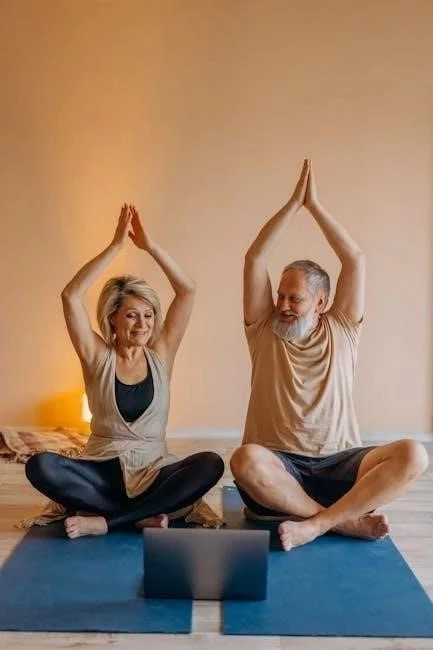
- Body Mechanics Alignment: Yoga teaches the “Mountain Pose” (Tadasana) principles, which emphasize stacked joints and an engaged core-essential for safely transferring a patient from a bed to a wheelchair․
- Wrist and Forearm Relief: Repetitive tasks such as lifting or cleaning can lead to carpal tunnel syndrome; yoga stretches for the wrists provide necessary decompression․
- Shoulder Girdle Stability: Caregivers often carry tension in their upper traps․ Poses like “Eagle Arms” or “Thread the Needle” release this tension and prevent chronic neck pain․
- Balance Training: Improving proprioception through single-leg standing poses reduces the risk of the caregiver falling while supporting the weight of another person․
- Knee Protection: Strengthening the quadriceps and hamstrings through “Warrior” poses ensures that the knees are protected during the frequent bending and squatting required in home care․
- Awareness of “Red Flags”: Yoga encourages body scanning, which helps caregivers identify small aches before they escalate into debilitating chronic injuries․
Addressing the “NYC Stress” Factor in Caregiving
Living in Brooklyn adds layers of environmental stress-noise, transit delays, and the high cost of living․ Yoga for senior caregivers Brooklyn must account for these external variables to be truly effective․
- Sensory Deprivation Techniques: Using eye pillows or earplugs during a brief Savasana helps mitigate the constant auditory stimulation of a Brooklyn street․
- Grounding in Nature: When possible, practicing yoga in Brooklyn's green spaces like Prospect Park or local community gardens provides the added benefit of “forest bathing” and vitamin D․
- Time Management as Mindfulness: Approaching the chaotic NYC schedule with a yoga-mindset allows caregivers to navigate transit delays or medical appointment wait times with reduced physiological arousal․
- Culturally Competent Practices: Brooklyn is a melting pot; many local yoga programs offer classes in multiple languages or styles that respect the diverse cultural backgrounds of NYC caregivers․
- Respite Collaboration: Coordination with Brooklyn Home Care agencies allows caregivers to schedule “wellness blocks” where they can attend a full class, knowing their loved one is in safe hands․
- Financial Accessibility: Many Brooklyn community centers offer “pay-what-you-can” yoga, ensuring that wellness is not a luxury but a standard part of the caregiving kit․
Clinical Contraindications and Best Practices
While yoga is generally safe, caregivers must approach it with clinical mindfulness, especially if they have pre-existing conditions or are under extreme physical fatigue․
- Consultation with Healthcare Providers: Caregivers with hypertension or glaucoma should avoid inversions (head below heart) as these can spike internal pressure․
- Avoidance of Overstretching: When stressed, the body produces relaxin-like responses in some; it is vital not to over-extend ligaments when the muscles are tight from caregiving tasks․
- Hydration and Nutrition: Yoga increases metabolic waste clearance; caregivers must increase water intake to support the detoxification process․
- Modifying for Energy Levels: On days of high caregiving intensity, opt for “Yin” or “Restorative” yoga rather than “Vinyasa” to avoid further depleting energy reserves․
- Consistency over Intensity: Ten minutes of daily practice is clinically more effective for nervous system regulation than one ninety-minute session per week․
- The Importance of a Mat: Even in a small Brooklyn apartment, a non-slip mat is essential for safety to prevent slipping on hardwood floors during standing poses․
Nurse Insight: In my experience, the caregivers who survive and thrive in the Brooklyn home care environment are those who view self-care not as a “break” from work, but as a “requirement” for work․ I have seen many family members develop chronic back issues simply because they didn’t have a routine to decompress their spine after a day of transfers․ Start with just five minutes of “Cat-Cow” and “Child's Pose” before you start your morning shift; it changes the way your nervous system handles the rest of the day․
Frequently Asked Questions
Is yoga safe for caregivers with no previous experience?
How can I find time for yoga when my caregiving schedule is unpredictable?
Can yoga help with the back pain I get from lifting my loved one?
Are there specific yoga poses for Brooklyn apartments with very little space?
Does yoga help with the emotional “burnout” of being a full-time caregiver?
Contact ProLife Home Care NYC for a free clinical assessment:(718) 232 – 2777
Contact ProLife Home Care NYC for a free clinical assessment: (718) 232-2777