As a Senior NYC Nurse who has walked the historic blocks of Bedford-Stuyvesant for decades, I understand that care is about more than just medicine; it is about keeping our elders in the vibrant community they helped build. Families in Bed-Stuy often face the overwhelming task of balancing work while ensuring their parents are safe and well-fed in their brownstones. Our goal is to bridge that gap by providing clinical expertise and emotional support directly in the home environment. We believe that with the right resources, our seniors can age with dignity, surrounded by the neighbors and memories they cherish.
Clinical Quick Answer
Effective home care in Bedford-Stuyvesant begins with a comprehensive Nursing Evaluation to assess a senior's Activities of Daily Living (ADLs) and clinical needs. By leveraging programs like New York Medicaid and CDPAP, families can access professional aide services or compensate family members for providing care. This structured approach ensures that seniors receive specialized support for chronic conditions while maintaining their independence within the Brooklyn community.
The Importance of Home Care Bedford-Stuyvesant
Bedford-Stuyvesant, or Bed-Stuy, is a neighborhood defined by its deep roots and multi-generational households. As the population ages, the demand for high-quality home care Bedford-Stuyvesant has surged. Providing care at home is often the most effective way to manage chronic illnesses, as it reduces the stress associated with institutionalized settings. When a senior remains at home, they are more likely to stay active in their social circles, which is a critical factor in preventing cognitive decline and depression.
- Cultural Continuity: Maintaining a connection to local churches, community centers, and neighborhood landmarks.
- Personalized Attention: One-on-one care that is not possible in high-occupancy nursing facilities.
- Infection Control: Reducing exposure to hospital-acquired infections by managing health in a private setting.
- Cost-Effectiveness: Home-based care is often more affordable than 24-hour facility care, especially when utilizing Medicaid benefits.
Navigating the Nursing Evaluation Process
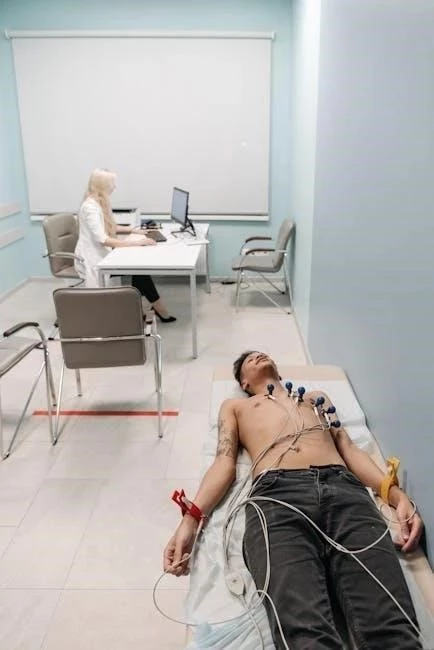
The foundation of any successful home care plan is a professional Nursing Evaluation. In Brooklyn, this process involves a Registered Nurse (RN) visiting the home to perform a head-to-toe assessment. The nurse evaluates not just physical health, but also environmental safety and psychological well-being. This evaluation is required by New York State law to determine the number of hours of care a patient requires. It serves as the clinical justification for insurance coverage and ensures the caregiver is properly prepared for the patient’s specific needs.
- Physical Assessment: Checking vital signs, skin integrity, and mobility levels.
- Medication Review: Ensuring the patient understands their prescriptions and is adhering to the correct dosages.
- ADL Assessment: Evaluating the ability to perform tasks like bathing, dressing, toileting, and feeding.
- Cognitive Screening: Identifying early signs of dementia or Alzheimer’s to implement safety protocols.
- Home Safety Audit: Identifying trip hazards, such as loose rugs or poor lighting, common in older Brooklyn architecture.
Medicaid and the CDPAP Program in Brooklyn
For many families in Bed-Stuy, navigating the financial aspects of care can be daunting. The New York State Medicaid program offers several pathways for home care. One of the most popular is the Consumer Directed Personal Assistance Program (CDPAP). This program allows the senior to act as the employer, choosing their own caregiver-which can be a friend or a family member. This is particularly beneficial in Bed-Stuy, where cultural nuances and trust are paramount in the caregiver-patient relationship.
- Eligibility: Residents must meet specific income and asset limits set by New York State.
- Flexibility: CDPAP allows for a more personalized schedule compared to traditional home health aide agencies.
- Training: Family caregivers receive guidance on how to document care and manage the patient’s daily routine.
- Supportive Services: Coordination with Managed Long Term Care (MLTC) plans to oversee the clinical aspects of the case.
Managing Chronic Conditions in a Home Setting
Seniors in urban environments like Brooklyn often face higher rates of hypertension, diabetes, and heart disease. Home care professionals play a vital role in monitoring these conditions to prevent emergency room visits. By having a professional or trained family member present, small changes in health-such as increased swelling in the legs or slight confusion-can be caught early. This proactive approach is essential for maintaining the long-term health of our community’s elders.
- Diabetes Management: Regular blood glucose monitoring and assistance with meal planning to maintain stable sugar levels.
- Hypertension Control: Frequent blood pressure checks and ensuring compliance with diuretic or ACE inhibitor medications.
- Respiratory Support: Assisting with oxygen concentrators or nebulizers for patients with COPD or asthma.
- Wound Care: Professional nursing visits to manage pressure ulcers or surgical incisions.
Overcoming Challenges in Historic Brooklyn Homes
The beautiful brownstones and walk-up apartments of Bedford-Stuyvesant present unique challenges for senior care. Narrow hallways, steep stairs, and high bathtubs can become significant obstacles for those with limited mobility. A Nursing Evaluation specifically looks at these architectural features to recommend modifications. Strengthening community care means adapting the environment to the person, rather than moving the person out of their environment.
- Stair Safety: Installing double railings or considering stairlifts where feasible.
- Bathroom Modifications: Adding grab bars, non-slip mats, and raised toilet seats to prevent falls.
- Lighting Enhancements: Increasing wattage in hallways and adding motion-sensor lights for nighttime bathroom trips.
- Clutter Management: Removing unnecessary items that obstruct walkways in smaller apartment layouts.
Coordinating Care with Local Health Systems
Effective home care does not happen in a vacuum. It requires seamless coordination with local healthcare providers such as Woodhull Hospital, NYC Health + Hospitals/Kings County, and neighborhood clinics. After a hospital discharge, the first 48 hours are critical. A Nursing Evaluation conducted immediately upon return to Bed-Stuy ensures that the discharge orders are being followed and that the transition from hospital to home is safe and sustainable.
- Discharge Planning: Reviewing hospital paperwork to ensure all new medications are filled and understood.
- Follow-up Appointments: Assisting with transportation and scheduling to ensure the senior sees their specialist.
- Communication: Keeping the Primary Care Physician (PCP) informed of any changes in the patient’s condition at home.
- Community Resources: Linking families to local senior centers and food programs like Meals on Wheels.
For more information on state-mandated care standards, please visit the NY State DOH website.
Nurse Insight: In my experience, the most successful home care outcomes in Bed-Stuy happen when the family is actively involved in the initial Nursing Evaluation. Don’t be afraid to speak up about the “small” things, like your father’s preference for a specific type of meal or your mother’s habit of waking up at 3 AM. These details help us create a care plan that isn’t just a clinical document, but a roadmap for a happy, safe life at home. I always tell my families: you are the experts on your loved one; we are the experts on the care.
Frequently Asked Questions
How do I know if my parent needs a Nursing Evaluation?
If you notice your parent struggling with daily tasks such as bathing, forgetting medications, or experiencing frequent falls, it is time for a Nursing Evaluation. This assessment provides a professional baseline of their health and determines the level of help required to keep them safe at home.
What is the difference between a home health aide and a nurse?
A home health aide (HHA) provides personal care such as help with grooming and light housekeeping. A nurse (RN or LPN) performs clinical tasks like wound care, medication administration, and the mandatory Nursing Evaluation. Both are often needed for a comprehensive care plan.
Are home care services in Bed-Stuy available 24/7?
Yes, depending on the clinical necessity determined during the evaluation, care can range from a few hours a week to 24-hour “live-in” or “split-shift” care. Medicaid coverage for 24-hour care requires extensive documentation of the patient’s needs.
How long does a typical Nursing Evaluation take?
A thorough initial evaluation usually takes between 60 to 90 minutes. This allows the nurse enough time to review medical history, perform a physical exam, and assess the safety of the home environment.
Can CDPAP caregivers be friends or only relatives?
Under the CDPAP program in New York, caregivers can be most family members (including adult children) or friends. However, a legal spouse or a designated “representative” who signs paperwork for the patient generally cannot be the paid caregiver.
Contact ProLife Home Care NYC for a free clinical assessment:(718) 232 – 2777
Contact ProLife Home Care NYC for a free clinical assessment: (718) 232-2777