As a senior nurse who has spent years visiting families across Brooklyn, I understand that the decision to bring a caregiver into your home is deeply personal and often overwhelming․ In the vibrant but underserved community of Ocean Hill, many families are struggling to balance their professional lives with the complex medical needs of their aging parents․ My mission is to guide you through the clinical and administrative maze of the New York healthcare system, ensuring your loved ones receive the dignity they deserve․ By focusing on personalized care plans, we can transform the aging-at-home experience into one of safety, comfort, and genuine connection․
Clinical Quick Answer
Professional home care Ocean Hill Brooklyn begins with a mandatory Nursing Assessment NYC to determine a senior’s specific functional and medical requirements․ These evaluations, conducted by Registered Nurses (RNs), establish the required hours of care and the scope of services, whether through traditional agencies or the CDPAP program․ By integrating clinical oversight with daily living support, Ocean Hill seniors can safely manage chronic conditions while remaining in their familiar home environment․
The Critical Role of Nursing Assessment NYC in Home Care
The foundation of any successful home care plan is a comprehensive Nursing Assessment NYC․ This is not merely a checklist; it is a holistic clinical evaluation designed to identify the physical, cognitive, and environmental challenges facing a senior․ In Ocean Hill, where many residents live in multi-story brownstones or apartment complexes, the assessment must specifically address mobility and environmental safety․
- Functional Status Evaluation: Assessing the patient’s ability to perform activities of daily living (ADLs) such as transferring, toileting, and feeding․
- Cognitive Screening: Identifying early signs of dementia or Alzheimer's to determine if the patient requires 24/7 supervision for safety․
- Medication Reconciliation: A critical review by the RN to ensure there are no dangerous drug interactions and that the patient is adhering to prescribed regimens․
- Vital Signs and Physical Health: Monitoring blood pressure, glucose levels, and skin integrity to prevent hospitalizations from preventable complications․
- Environmental Safety Audit: Checking for fall hazards, adequate lighting, and the necessity of durable medical equipment (DME) like grab bars or hospital beds․
- Social Support Mapping: Evaluating the strength of the family support system to determine where professional aides need to fill the gaps․
Navigating Home care Ocean Hill Brooklyn: Local Solutions
Home care Ocean Hill Brooklyn is unique due to the specific demographic and geographic landscape of this Brooklyn neighborhood․ Providing care in this area requires an understanding of local resources, transportation challenges for aides, and the cultural nuances of the community․ Strengthening support means ensuring that caregivers are not just present, but are actively integrated into the patient's neighborhood life․
- Localized Aide Recruitment: Hiring caregivers who live within or near Ocean Hill to ensure reliability and familiarity with the neighborhood's pharmacies and senior centers․
- Cultural Competency: Matching seniors with aides who speak their primary language and understand their cultural traditions, which significantly improves mental health outcomes․
- Access to Local Medical Hubs: Coordinating care with nearby facilities such as Brookdale University Hospital or Interfaith Medical Center for seamless transitions․
- Community Integration: Encouraging aides to escort seniors to local parks or community gardens to combat the epidemic of social isolation․
- Emergency Response Planning: Developing neighborhood-specific protocols for power outages or extreme weather, common issues in older Brooklyn infrastructure․
- Nutrition and Grocery Support: Assisting seniors in accessing local fresh food markets to maintain a medically appropriate diet․
The Impact of Medicaid and CDPAP on Ocean Hill Families
For many in Ocean Hill, the financial burden of home care is managed through Medicaid․ The Consumer Directed Personal Assistance Program (CDPAP) has revolutionized how Brooklyn families approach care by allowing the senior to choose their own caregiver, including children or grandchildren․
- CDPAP Eligibility: Understanding the requirements for New York Medicaid and the necessity of a stable medical diagnosis for enrollment․
- Financial Empowerment: Allowing family members to receive a wage for the care they are already providing, which helps stabilize the household economy․
- Autonomy and Choice: Giving the senior the power to hire, fire, and train their own assistants, leading to higher satisfaction and better compliance with care․
- Oversight Responsibilities: Educating family caregivers on their role in reporting changes in the patient’s condition to the supervising nurse․
- Transitioning from Traditional Care: Moving from a Licensed Home Care Services Agency (LHCSA) model to CDPAP when the patient prefers a known face․
- Maximizing Care Hours: Working with the Nursing Assessment NYC results to justify the necessary hours of support through the Managed Long-Term Care (MLTC) plan․
Managing Chronic Conditions via Specialized Home Aide Support
Ocean Hill has a high prevalence of chronic conditions such as diabetes, hypertension, and congestive heart failure․ Professional home care goes beyond companionship; it involves active disease management under the guidance of clinical protocols․ When a Nursing Assessment NYC identifies high-risk factors, the care plan must be adjusted to include specialized interventions․
- Diabetes Management: Aides assist with meal planning, blood sugar monitoring reminders, and foot care to prevent diabetic ulcers․
- Post-Stroke Rehabilitation: Implementing home-based exercises prescribed by physical therapists to regain mobility and speech․
- Cardiac Care: Monitoring for edema (swelling) and ensuring the patient adheres to low-sodium diets and fluid restrictions․
- Respiratory Support: Assisting with oxygen concentrators and ensuring the home environment is free of triggers for asthma or COPD․
- Dementia and Wandering Prevention: Implementing specialized routines to reduce “sundowning” and securing the home to prevent the senior from getting lost․
- Wound Care Oversight: RNs monitor healing progress for surgical sites or pressure sores, directing aides on proper positioning and hygiene․
For more detailed information on state regulations and senior resources, visit the NY State DOH website․
The Importance of Care Coordination and Nurse Oversight
Care coordination is the glue that holds a home care plan together․ In the complex healthcare landscape of New York City, a senior might see five different specialists․ Without a central point of contact, medications can be duplicated and symptoms can be missed․ Strengthening senior support requires a dedicated nurse to act as the primary advocate․
- Interdisciplinary Communication: Ensuring the primary care physician, the home care agency, and the family are all on the same page․
- Hospital Discharge Planning: Managing the critical 48-hour window when a senior returns to Ocean Hill from a hospital stay to prevent readmission․
- Health Advocacy: Attending doctor appointments with the senior to ensure their concerns are heard and instructions are understood․
- Regular Progress Reviews: Updating the care plan every 90 to 180 days to reflect the senior’s improving or declining health status․
- Crisis Intervention: Providing a 24/7 clinical contact for aides when they notice an acute change in the patient’s baseline health․
- End-of-Life Care Coordination: Working with hospice providers to ensure comfort and dignity if the patient's goals of care shift to palliation․
Preparing for the Future: Long-Term Success in Home Care
Success in home care is measured by the senior's ability to stay out of the nursing home and remain active in the Ocean Hill community․ This requires forward-thinking and a commitment to preventive care․ By investing in a high-quality Nursing Assessment NYC early, families can avoid the “crisis mode” that often leads to institutionalization․
- Proactive Home Modifications: Installing ramps and stairlifts before a fall occurs, not after․
- Mental Health Support: Screening for depression, which is common among homebound seniors, and connecting them with tele-health counseling․
- Technology Integration: Utilizing medical alert systems and smart dispensers for medications to add an extra layer of safety․
- Family Caregiver Respite: Ensuring that family members have scheduled breaks to prevent burnout and maintain their own health․
- Legal and Financial Planning: Encouraging families to finalize Health Care Proxies and Power of Attorney documents while the senior is still cognitively capable․
- Community Resource Awareness: Leveraging local Brooklyn non-profits that provide meal delivery (like Meals on Wheels) and friendly visitor programs․
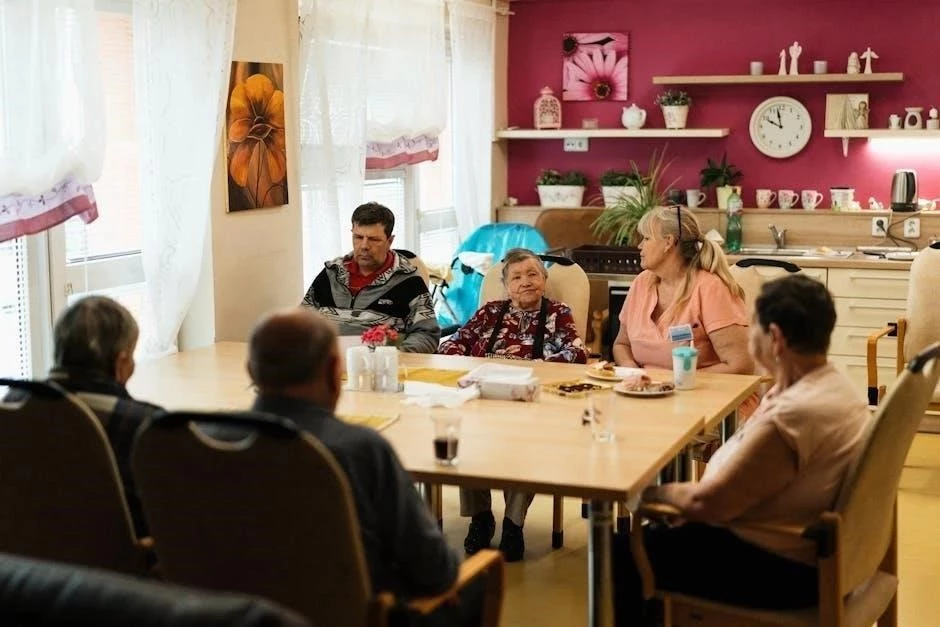
Nurse Insight: In my experience, the families who find the most peace are those who view the home care aide as a partner rather than an employee․ In Ocean Hill, I have seen incredible transformations when an aide becomes an extension of the family․ My best advice is to be transparent during the Nursing Assessment NYC; don’t hide the “bad days․” The more honest you are about your loved one's struggles, the more accurately we can advocate for the hours and services they truly need to thrive․
Frequently Asked Questions
How long does a typical nursing assessment take?
A comprehensive nursing assessment in NYC usually takes between 1․5 to 3 hours․ This allows the nurse enough time to review medical history, perform a physical exam, and observe the senior’s ability to navigate their home environment safely․
Does insurance cover home care in Ocean Hill?
Most home care in Brooklyn is covered by Medicaid through Managed Long-Term Care (MLTC) plans․ Medicare generally only covers short-term, intermittent skilled nursing or therapy after a hospital stay, not long-term daily aide assistance․
What happens if my assigned aide doesn’t show up?
Licensed agencies are required to have a “back-up” plan․ If an aide is absent, the agency should send a replacement․ If you are using the CDPAP program, the senior or their representative is responsible for arranging a back-up caregiver․
How do I know if my parent needs 24-hour care?
24-hour care is usually indicated if the senior is a high fall risk, has advanced dementia and wanders, or requires “total dependence” for transfers and toileting throughout the night․ A clinical assessment will determine if they qualify for split-shift or live-in care․
Can I change my home care agency if I’m not satisfied?
Yes, you have the right to change agencies․ In NYC, you would typically coordinate this through your MLTC plan․ It is important to ensure there is no gap in service during the transition between providers․
Contact ProLife Home Care NYC for a free clinical assessment:(718) 232 – 2777
Contact ProLife Home Care NYC for a free clinical assessment: (718) 232-2777