Navigating the bustling streets of New York City can be an overwhelming experience for aging loved ones who may struggle with sensory overload. Managing senior anxiety during NYC travel requires a blend of meticulous planning, emotional support, and an understanding of physical limitations. For many families, ensuring a parent remains calm amidst the sirens and crowds is a primary concern for maintaining their quality of life. By implementing specialized strategies, you can transform a potentially stressful outing into a meaningful and safe connection with the city.
Clinical Quick Answer
Managing senior anxiety during NYC travel involves identifying environmental triggers like noise and crowds and mitigating them through structured routines and pre-planned “quiet zones;” Utilizing professional Private Home Care services can provide a trained companion who manages logistics and monitors physiological signs of distress. Clinical experts recommend keeping travel durations short, ensuring hydration, and maintaining a calm, predictable demeanor to stabilize the senior's nervous system during transit.
Understanding the Roots of Anxiety in Urban Environments
For an older adult, New York City is not just a destination; it is a high-intensity sensory environment that can lead to significant cognitive fatigue. When managing senior anxiety during NYC travel, it is essential to recognize that the brain’s ability to filter out background noise often diminishes with age. What a younger person perceives as “city life” may feel like an aggressive assault on the senses for a senior with mild cognitive impairment or general frailty.
- Auditory Overload: The constant hum of traffic, sudden sirens, and subway screeching can trigger the “fight or flight” response, leading to increased heart rate and agitation.
- Visual Complexity: Moving crowds, flashing digital billboards in areas like Times Square, and complex street grids can cause spatial disorientation.
- Fear of Falling: Uneven sidewalks and the pressure to walk quickly at crosswalks create a constant state of hyper-vigilance regarding physical safety.
- Social Pressure: The fast-paced “NYC minute” makes many seniors feel like they are “in the way,” which exacerbates feelings of inadequacy and nervousness.
- Loss of Control: Relying on others for navigation or transportation can make a senior feel vulnerable, especially if the plan is not communicated clearly.
Strategic Pre-Trip Planning for Emotional Stability
The foundation of a successful trip lies in the work done before leaving the house. Uncertainty is the greatest fuel for anxiety. By creating a detailed “roadmap” of the day, you provide a psychological safety net for the senior. This preparation is a cornerstone of managing senior anxiety during NYC travel effectively.
- Route Reconnaissance: Use apps to check for elevator availability in subway stations or identify the closest parking garages to your destination to minimize walking distance.
- The 1:1 Rule: For every hour of activity, schedule at least twenty minutes of quiet rest. This prevents the cumulative effect of sensory exhaustion.
- Medication Timing: Ensure that travel does not interfere with medication schedules, as missed doses for blood pressure or anxiety can lead to physical symptoms that mimic a panic attack.
- Emergency Documentation: Carry a physical list of medications, allergies, and emergency contacts, which provides peace of mind for both the senior and the caregiver.
- Predictable Transitions: Clearly explain each step of the journey before it happens (e.g., “We are going to walk two blocks, then take a car for ten minutes”).
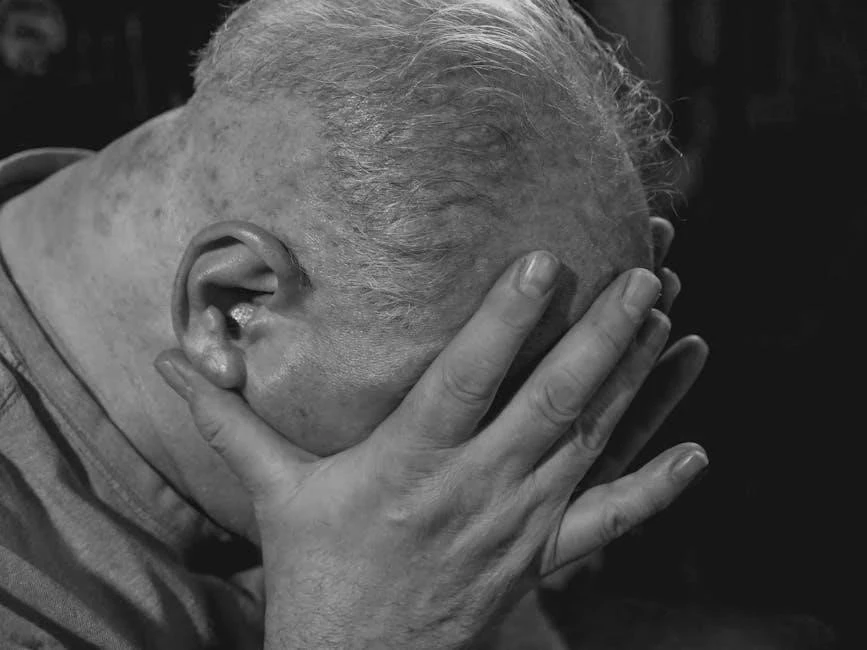
The Role of Professional Support and Companion Care
Oftentimes, family members are too emotionally involved or busy with their own logistics to provide the level of focus needed to manage an anxious elder. This is where professional intervention becomes invaluable. Engaging a specialist helps bridge the gap between medical necessity and emotional comfort.
- One-on-One Attention: A professional caregiver from a Private Home Care agency can focus solely on the senior’s cues, noticing subtle changes in breathing or facial expressions that indicate rising stress levels.
- Mobility Expertise: Professionals are trained in safe transfer techniques and can navigate wheelchairs or walkers through crowded spaces with confidence, reducing the senior’s fear of accidents.
- De-escalation Skills: If a senior becomes overwhelmed, a trained companion knows how to use redirection and calming techniques without becoming frustrated or impatient.
- Logistical Buffering: The caregiver handles the “hassle” of travel-paying fares, checking doors, or finding restrooms-allowing the senior to simply focus on the environment.
- Continuity of Care: Having the same person assist with travel who helps at home provides a sense of familiar safety, even in an unfamiliar part of the city.
Optimizing Transportation for Maximum Comfort
How you move through the city significantly impacts the senior’s stress levels. While the subway is iconic, it is often the most stressful environment due to noise, heat, and unpredictability. Managing senior anxiety during NYC travel means prioritizing comfort over speed or cost.
- Ride-Share and Cars: Door-to-door service is almost always preferable. It eliminates the need to navigate complex stations and provides a climate-controlled, private space to decompress between activities.
- Off-Peak Scheduling: Avoid traveling between 8:00 AM - 10:00 AM and 4:00 PM - 7:00 PM. The reduced density of people during mid-day makes the city feel significantly more manageable.
- Accessibility Access (AAR): If the senior is a resident, utilizing Access-A-Ride can be helpful, though it requires advanced booking and patience.
- Visual Aids: Keep a map or a GPS screen visible to the senior so they can see their progress, which helps reduce the “are we there yet” type of anxiety.
- Seating Priorities: If using public transit, immediately identify the priority seating and do not hesitate to ask others to move; the physical stability of a seat is crucial for psychological calm.
Creating a Sensory “Calm Kit”
Physical tools can act as anchors during moments of high stress. Just as a child might have a security blanket, seniors can benefit from items that regulate their nervous system. These tools are essential for managing senior anxiety during NYC travel when environmental factors cannot be controlled.
- Noise-Canceling Technology: High-quality earplugs or noise-canceling headphones can dampen the roar of the city, allowing the senior to focus on your voice.
- Familiar Scents: A handkerchief with a drop of lavender oil or a familiar perfume can provide a soothing sensory anchor when the city smells become overwhelming.
- Hydration and Glucose: Low blood sugar or dehydration can manifest as irritability and anxiety. Carry water and light snacks at all times.
- Sunglasses: NYC’s reflections off glass buildings and bright lights can be overstimulating. Sunglasses provide a literal “filter” for the world.
- Tactile Objects: A smooth stone or a familiar piece of jewelry to hold can help “ground” a senior during a stressful subway ride or wait.
Identifying and Managing Acute Anxiety Spikes
Despite the best planning, “meltdowns” or high-anxiety moments can occur. Knowing how to respond in the moment is a vital clinical skill for any family member or caregiver. The goal is to lower the heart rate and redirect the brain’s focus away from the perceived threat.
- The “Stop and Breathe” Method: If you notice signs of panic, stop moving immediately. Find a wall to lean against or a bench, and perform “box breathing” together (inhale for 4, hold for 4, exhale for 4).
- Redirection: Shift the focus to a simple, neutral observation. Ask, “What color is that building?” or “Can you see the flowers in that window box?”
- Physical Touch: A firm, steady hand on the shoulder or holding hands can provide a sense of physical security that words cannot.
- Validation: Instead of saying “don’t be afraid,” say “I see that this is very loud/crowded, and we are going to get to a quiet spot in just a moment.”
- Exit Strategies: Always know where the nearest “quiet zone” is-libraries, hotel lobbies, and churches are excellent places to find immediate silence in NYC.
Nurse Insight: In my experience, the most overlooked factor in managing senior anxiety during NYC travel is the “vibe” of the escort. Seniors are incredibly sensitive to the emotional state of their companions. If you are rushing, checking your watch, or sighing at delays, your loved one will internalize that stress as a sign of danger. I always tell families: leave 30 minutes earlier than you think you need to. That extra time is your “patience buffer,” and it is the best medicine for an anxious heart.
Frequently Asked Questions
What are the early signs of travel-induced anxiety in seniors?
Is the NYC subway safe for seniors with anxiety?
How can I help a senior who is afraid of NYC crowds?
Does Private Home Care include escorting seniors to appointments?
What should I do if my loved one has a panic attack in public?
Contact ProLife Home Care NYC for a free clinical assessment:(718) 232 – 2777
Contact ProLife Home Care NYC for a free clinical assessment: (718) 232-2777