As a Senior NYC Nurse with years of experience navigating the complex healthcare landscape of the five boroughs, I have seen firsthand the resilience of families facing a pediatric cancer diagnosis. Transitioning from the high-tech environment of a hospital to the sanctuary of your own home is a monumental step, and it requires a dedicated team to ensure safety and comfort. My mission is to provide you with the clinical expertise needed to manage your child’s care effectively while preserving the warmth and familiarity of family life. In the heart of New York City, we are committed to surrounding your little warrior with professional clinical nursing that honors their journey and supports your entire household.
Clinical Quick Answer
Home care for kids with cancer NYC integrates advanced clinical nursing interventions, such as infusion therapy and symptom monitoring, directly into the domestic setting to improve patient outcomes and family stability. By utilizing a multidisciplinary approach that includes pediatric oncologists and specialized nurses, families can manage complex medical regimens while reducing the psychological trauma of prolonged hospitalizations. This model of care focuses on high-level medical oversight and palliative support to ensure that every child receives the precise treatment they need in the most comfortable environment possible.
The Foundations of Clinical Nursing for Pediatric Oncology at Home
When we discuss clinical nursing in the context of pediatric oncology, we are referring to a highly specialized branch of healthcare that goes far beyond basic assistance. In NYC, home care for kids with cancer requires nurses who are not only technically proficient but also deeply familiar with the latest oncology protocols used at major institutions like Memorial Sloan Kettering or NewYork-Presbyterian. These professionals bring the “hospital to the home,” ensuring that the rigorous standards of care are maintained in a bedroom or living room setting.
- Comprehensive Assessment: Nurses perform daily physical exams to check for signs of infection, neutropenia, or changes in neurological status that may occur during chemotherapy.
- Medication Administration: Expertise in managing complex schedules for oral, subcutaneous, and intravenous medications, including anti-emetics and antibiotics.
- Central Line Maintenance: Professional care for Port-a-Caths, PICC lines, and Hickman catheters to prevent bloodstream infections (CLABSI);
- Lab Work Coordination: Drawing blood at home to monitor CBC (Complete Blood Count) and electrolyte levels, reducing the need for stressful clinic visits.
- Wound and Skin Care: Managing skin breakdown or surgical sites that may heal slowly due to immunosuppression.
- Emergency Triage: Acting as the first line of defense to determine if a fever or symptom requires an immediate trip to the Emergency Room.
Navigating Symptom Management and Palliative Care in NYC
The core of palliative clinical nursing is the management of symptoms that interfere with a child’s quality of life. In a bustling city like New York, the stress of the environment can amplify a child’s discomfort. Home care for kids with cancer NYC focuses on creating a “quiet zone” where symptoms are proactively managed. Palliative care is not about giving up; it is about providing the highest level of comfort while the child continues to fight their illness.
- Pain Control: Utilizing a laddered approach to pain management, from non-opioid medications to PCA (Patient-Controlled Analgesia) pumps, all monitored by a nurse.
- Nausea and Vomiting Management: Clinical nurses monitor the effectiveness of anti-nausea regimens and suggest adjustments based on the child’s specific triggers.
- Nutritional Support: Managing G-tubes or TPN (Total Parenteral Nutrition) for children who cannot maintain adequate oral intake during treatment.
- Respiratory Support: Providing oxygen therapy or nebulizer treatments to ease breathing difficulties associated with certain tumors or infections.
- Sleep Hygiene: Helping families establish routines that promote rest, which is vital for the child’s immune system and recovery.
- Integrative Therapies: Incorporating gentle massage, guided imagery, or music therapy into the nursing care plan to reduce anxiety.
The Role of Clinical Nursing in NYC Family Support
A pediatric cancer diagnosis affects every member of the family, from parents to siblings. Clinical nursing in the home provides a stabilizing force for the entire household. In New York City, where space is often limited and life moves at a frantic pace, having a professional nurse in the home allows parents to step back from being “medics” and return to being “parents.” This shift is crucial for the emotional health of the family unit.
- Parental Education: Teaching caregivers how to recognize early warning signs of complications, such as a “neutropenic fever.”
- Sibling Integration: Helping brothers and sisters understand the medical equipment and why their sibling needs extra care, reducing fear and jealousy.
- Respite for Caregivers: Providing parents with the peace of mind to sleep or attend to other children while a professional manages the child’s medical needs.
- Psychosocial Referrals: Connecting families with NYC-based support groups, child life specialists, and counseling services.
- Cultural Sensitivity: Respecting the diverse backgrounds of NYC families and adapting care plans to align with cultural or religious beliefs.
- Advocacy: Helping families communicate effectively with their oncology team at the hospital to ensure the child’s needs are being met.
Technical Aspects of In-Home Oncology Infusions
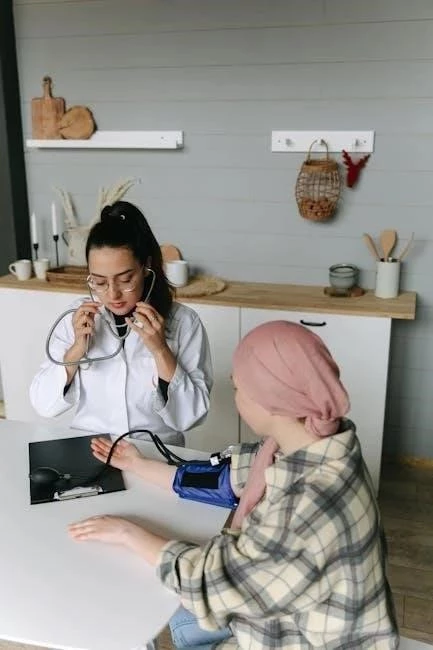
One of the most complex aspects of clinical nursing at home is the administration of infusions. Many children in NYC require long-term IV therapies that used to necessitate weeks of hospital stay. Today, with advanced home care for kids with cancer NYC, these treatments can be performed safely at home. This requires a nurse with specific certification and experience in infusion therapy.
- Hydration Therapy: Administering IV fluids to prevent dehydration caused by chemotherapy-induced vomiting or diarrhea.
- Antibiotic Administration: Managing long-term IV antibiotic courses for secondary infections common in oncology patients.
- Blood Product Transfusions: In some specialized cases, coordinating with home infusion agencies to provide platelet or red blood cell transfusions.
- Chemotherapy Side Effect Mitigation: Administering specific “rescue” drugs that protect the kidneys or bladder following certain chemo agents.
- Pump Management: Programming and troubleshooting electronic infusion pumps to ensure precise delivery of fluids and medications.
- Anaphylaxis Readiness: Maintaining emergency kits and staying vigilant for allergic reactions during the administration of new medications.
Accessing NY State Resources and Medicaid for Home Care
Navigating the financial and administrative side of home care in New York can be daunting. However, New York State offers robust programs to support families in need of pediatric nursing. Understanding how to leverage these resources is a key part of the clinical nursing coordination process. Families are encouraged to visit the NY State DOH website for the most current information on waivers and eligibility.
- The Children’s Waiver: A program designed to provide home and community-based services to children who would otherwise require institutional care.
- CDPAP (Consumer Directed Personal Assistance Program): Allowing families to have more control over who provides care, often used in conjunction with skilled nursing.
- Managed Long Term Care (MLTC): A system that helps coordinate medical and social services for those with long-term care needs.
- Medicaid GME: Specialized funding that may cover complex nursing hours for children with life-limiting illnesses.
- Private Insurance Coordination: Working with case managers to maximize the nursing hours allowed under private health plans.
- NYC HRA Resources: Utilizing the Human Resources Administration for additional support services like transport or food assistance.
The Importance of Continuity of Care: Hospital to Home
The transition from a world-class NYC hospital to home care must be seamless. Any gap in communication can lead to medication errors or missed symptoms. Clinical nursing providers prioritize “continuity of care,” which involves a detailed hand-off between the hospital discharge planner and the home care agency. This ensures that the child’s “Little Warrior” spirit is supported by a solid medical plan from day one at home.
- Pre-Discharge Meetings: Nurses often meet with the family and hospital staff before the child leaves the facility to review the care plan.
- Supply Management: Ensuring that all necessary medical supplies, from syringes to oxygen tanks, are delivered to the NYC apartment before the child arrives.
- Telehealth Integration: Using technology to connect the home care nurse with the child’s oncologist for real-time consultations.
- Routine Care Conferences: Holding regular meetings with the family to adjust the care plan as the child’s condition changes or as they enter different phases of treatment.
- 24/7 Clinical Support: Ensuring that families have access to a clinical supervisor or on-call nurse at any hour of the day or night.
- Documentation Excellence: Maintaining rigorous clinical charts that are shared with the primary oncology team to track the child’s progress accurately.
Nurse Insight: In my experience, the biggest hurdle for NYC families isn’t the medical complexity, but the feeling of isolation in a crowded city. I always tell my parents: you are the expert on your child, and I am the expert on the clinical nursing. When we combine our knowledge, we create a fortress of safety around your little warrior. Don’t be afraid to ask ‘why’ for every pill and every procedure; a well-informed parent is a nurse’s greatest ally in the home.
Frequently Asked Questions
What does home care for kids with cancer NYC involve?
It involves professional medical services provided by RNs or LPNs who specialize in pediatric oncology. This includes administering IV medications, managing symptoms like pain and nausea, monitoring vital signs, and providing emotional support to the family while the child stays in their own home.
How does clinical nursing improve life for pediatric cancer patients?
Clinical nursing allows children to avoid the stress of the hospital, which can significantly improve their mental health and even their physiological response to treatment. It provides personalized, one-on-one attention that ensures medical issues are caught early and treated immediately.
Is palliative care different from hospice in NYC?
Yes. Palliative care is appropriate at any stage of a serious illness and can be provided alongside curative treatments like chemotherapy. Hospice is specifically for the end-of-life stage when the focus shifts entirely to comfort because curative options have been exhausted.
How do families access NY State Medicaid for pediatric nursing?
Families can apply through the New York State Department of Health or work with a social worker at their child’s oncology center. Programs like the Children’s Waiver are specifically designed to help families afford high-level nursing care at home regardless of their income in some cases.
What role do parents play in clinical nursing at home?
Parents are the “heart” of the care team. While the clinical nurse performs medical procedures, the parents provide the essential love and daily care. The nurse trains the parents on how to handle medical equipment safely, making them confident partners in their child’s treatment journey.
Contact ProLife Home Care NYC for a free clinical assessment:(718) 232 – 2777