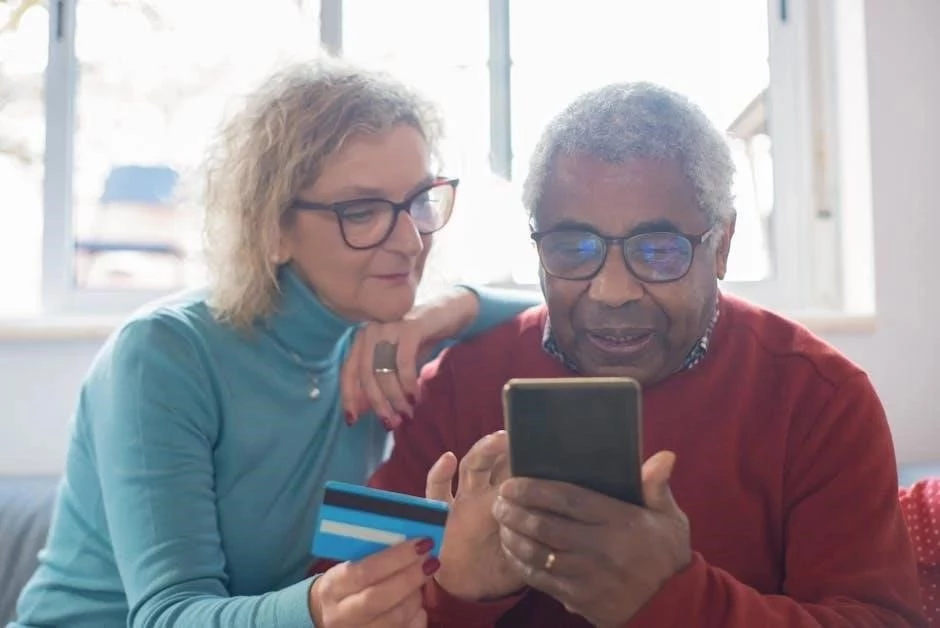
Assisting seniors with online grocery NYC ensures that aging loved ones maintain access to high-quality nutrition without the physical risks of navigating crowded city streets. For many families, this support bridge provides peace of mind knowing that fresh produce and essentials are managed by a professional. By integrating technology into daily routines, seniors can enjoy a sense of autonomy while staying safely at home. This specialized care approach reduces the stress associated with urban logistics and dietary management for the elderly.
Clinical Quick Answer
Modern nutritional care for seniors involves bridging the digital divide through professional Private Home Care services. Home aides facilitate the technical navigation of grocery apps while ensuring order accuracy and adherence to medically prescribed diets. This proactive assistance prevents nutritional deficiencies and reduces the risk of falls associated with traditional shopping trips in New York City.
Bridging the Digital Divide in NYC Senior Nutrition
For many older adults living in the five boroughs, the transition from traditional shopping to digital platforms represents a significant hurdle. Assisting seniors with online grocery NYC is not merely about convenience; it is a critical intervention for maintaining health and wellness. As local markets become more tech-centric, seniors who cannot navigate apps like FreshDirect, Instacart, or Amazon Fresh risk falling into “food deserts,” even in the heart of a bustling metropolis. Professional caregivers serve as the essential link, transforming a complex digital process into a simple, collaborative routine.
- Overcoming “app anxiety” by providing step-by-step guidance on smartphone interfaces.
- Establishing consistent delivery windows that align with the senior's peak energy levels and medication schedules.
- Managing digital coupons and NYC-specific loyalty programs to ensure cost-effective shopping on a fixed income.
- Verifying that the household has a stable internet connection or cellular data for seamless ordering.
- Teaching basic digital literacy skills to interested seniors to foster a sense of accomplishment.
- Interpreting confusing delivery notifications and coordinating with building doormen or management.
The Impact of Online Ordering on Fall Prevention
Traditional grocery shopping in New York City poses numerous physical risks for the elderly. Navigating subway stairs, crossing busy intersections, and carrying heavy bags on uneven sidewalks are primary causes of geriatric falls. By utilizing online ordering, Private Home Care providers eliminate these hazards entirely. The shift from physical errands to digital management allows the senior to conserve their physical energy for therapeutic exercises or social activities, significantly improving their overall quality of life.
- Eliminating the need to carry heavy shopping bags, which can strain the back and compromise balance.
- Reducing exposure to extreme NYC weather conditions, from summer heatwaves to icy winter pavements.
- Decreasing the time spent standing in long checkout lines, which can lead to fatigue and dizziness.
- Preventing the risk of respiratory infections or seasonal illnesses found in crowded public spaces.
- Ensuring that the kitchen is always stocked, preventing the “empty fridge” syndrome that leads to poor snack choices.
- Allowing aides to focus on in-home safety rather than being away for hours on shopping trips.
Customizing Orders for Medically Necessary Diets
In the context of Assisting seniors with online grocery NYC, the ability to filter products is a clinical advantage. Seniors suffering from chronic conditions such as Congestive Heart Failure (CHF), diabetes, or hypertension require strict adherence to dietary restrictions. Online platforms allow caregivers to save specific shopping lists that exclude high-sodium or high-sugar items, ensuring that the senior’s pantry remains a tool for health rather than a risk factor for hospitalization. This level of precision is difficult to maintain during a hurried trip to a local bodega or supermarket.
- Utilizing digital filters to find low-sodium, gluten-free, or heart-healthy alternatives quickly.
- Monitoring expiration dates and food freshness through reliable delivery services with high turnover.
- Coordination with a primary care physician's dietary plan to ensure all necessary food groups are represented.
- Tracking calorie intake and nutritional balance by reviewing digital order histories.
- Setting up automated re-orders for essentials like milk, eggs, and specialized nutritional shakes.
- Preventing the purchase of “impulse” items that may contradict the senior’s medical diet.
Security and Financial Management in the Digital Age
One of the primary reasons seniors hesitate to use online services is the fear of digital fraud. Professional Private Home Care includes a layer of security by helping seniors set up secure payment methods and recognizing potential phishing attempts. Caregivers help families establish shared accounts where adult children can monitor spending and ensure that the senior is not being overcharged. This transparency builds trust and protects the senior’s financial resources from the predatory practices often found in the digital world.
- Setting up secure, password-protected accounts with two-factor authentication for added safety.
- Ensuring that only reputable NYC-based grocery services are utilized for deliveries.
- Reconciling digital receipts with bank statements to prevent unauthorized transactions.
- Managing SNAP (Supplemental Nutrition Assistance Program) benefits within the online grocery platform.
- Educating the senior on how to recognize legitimate communications from delivery services.
- Maintaining a clear record of expenses for family members or legal guardians to review.
Collaborative Meal Planning and Social Interaction
The process of Assisting seniors with online grocery NYC is also a vital social activity. Instead of the shopping being a solitary or stressful task, it becomes a shared experience between the senior and the aide. Browsing the “digital aisles” together allows the senior to express their preferences, recall favorite recipes, and maintain a sense of control over their household. This collaborative planning stimulates cognitive function and provides a sense of purpose and participation in daily living tasks.
- Engaging the senior in recipe selection to stimulate memory and cognitive engagement.
- Discussing seasonal produce and planning meals around what is currently at peak freshness.
- Encouraging the senior to try new foods, preventing “food boredom” and malnutrition.
- Building a weekly routine that gives the senior something to look forward to.
- Using the tablet or computer together to look up nutritional facts and healthy cooking tips.
- Fostering a stronger bond between the caregiver and the senior through shared decision-making.
Implementing a Tech-Forward Care Plan
To successfully integrate online ordering into a Private Home Care routine, a structured approach is necessary. NYC families should work with their home care agency to identify the best platforms for their specific neighborhood. Some areas may have better coverage from specific vendors, and some seniors may find certain app interfaces more intuitive than others. The goal is to create a sustainable system where technology serves the senior’s needs, rather than becoming a source of frustration.
- Assessing the senior's current technological comfort level and choosing the most user-friendly app.
- Setting up the physical environment, such as a charging station and a comfortable place to sit while ordering.
- Coordinating delivery times with the aide’s working hours to ensure food is put away immediately.
- Verifying that the building's delivery policies (e.g., freight elevator use) are understood by the vendor.
- Conducting a weekly inventory check before the ordering process begins to avoid waste.
- Periodically reviewing the care plan to ensure that the senior’s nutritional and technological needs are being met.
Nurse Insight: In my experience, the biggest barrier to Assisting seniors with online grocery NYC isn’t the technology itself, but the fear of losing control over food quality. I always advise families to start by ordering “staples” (water, cans, paper goods) online first to build trust in the delivery system. Once the senior sees the items arrive safely, they are much more likely to trust their caregiver to help select fresh meats and produce digitally. This gradual transition significantly reduces anxiety and empowers the senior to embrace a more modern, safer way of living.
Frequently Asked Questions
Is online grocery shopping safe for seniors in NYC?
Can Medicaid-funded home aides help with online ordering?
Which online grocery apps are best for the elderly?
How do home aides ensure the food delivered is fresh?
What if my loved one is resistant to using technology?
Contact ProLife Home Care NYC for a free clinical assessment:(718) 232 – 2777
Contact ProLife Home Care NYC for a free clinical assessment: (718) 232-2777