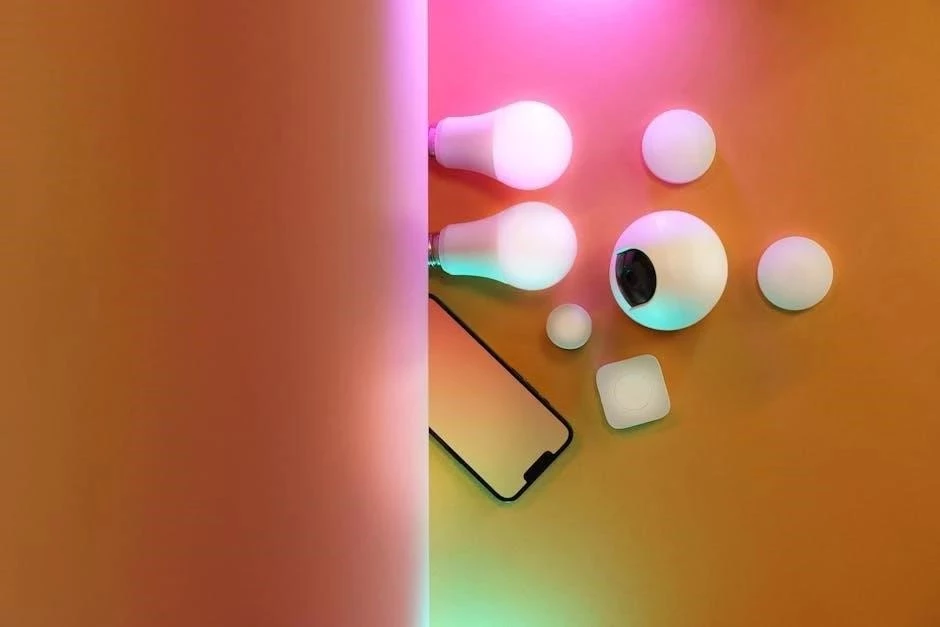
Implementing a smart home setup for seniors 2026 is a transformative step for New York City families seeking to balance autonomy with safety. These advanced technological systems provide a continuous safety net that allows aging loved ones to remain in their cherished homes longer. By integrating intuitive controls and automated monitoring, families can reduce the anxiety associated with living alone while maintaining immediate contact. Ensuring a high quality of life for our seniors starts with a home environment that adapts to their changing physical and cognitive needs.
Clinical Quick Answer
A comprehensive smart home setup for seniors 2026 utilizes AI-driven fall detection, automated medication dispensers, and environmental sensors to mitigate the primary risks of aging in place. Clinicians recommend integrating these tools according to a professional Home Safety Guide to ensure all hazards, such as poor lighting or delayed emergency response, are addressed. These systems work together to provide real-time health data to caregivers, potentially preventing hospitalizations and managing chronic conditions more effectively within the home setting.
Advanced Fall Prevention and Detection Systems
In 2026, the smart home setup for seniors has evolved beyond simple wearable pendants, which are often forgotten or refused by the user. Modern fall detection utilizes ambient sensing technologies that provide 24/7 monitoring without infringing on privacy or requiring the senior to wear any device. This is particularly crucial in NYC apartments where space may be limited and floor hazards are common.
- AI-Vision Sensors: High-resolution sensors that use edge computing to detect human posture and movement patterns, identifying a fall instantly while blurring faces and private details to maintain dignity.
- mmWave Radar Technology: These sensors can detect a fall even in steam-filled bathrooms or pitch-black bedrooms by tracking changes in micro-motions and body position.
- Predictive Gait Analysis: Advanced systems now analyze how a senior walks over time, flagging changes in stride or balance that might indicate an increased risk of a fall before it actually occurs;
- Automated Emergency Protocols: Upon detecting a fall, the system can automatically unlock smart doors for NYC first responders and broadcast a two-way audio channel to keep the senior calm.
- Floor-Level Lighting Integration: Motion-activated path lights that illuminate the route to the bathroom at night, significantly reducing the “midnight tumble” common in elderly populations.
Intelligent Medication Management and Compliance
Medication errors are a leading cause of hospital admissions among New York seniors. A robust smart home setup for seniors 2026 integrates robotic pill dispensers that do more than just beep; they serve as a clinical link between the pharmacy, the physician, and the home. These devices are essential components of any modern Home Safety Guide, ensuring that complex regimens are followed with precision.
- Automated Dispensing Units: Devices that sort and deliver the correct dosage of multiple medications at programmed times, preventing accidental double-dosing or missed pills.
- Biometric Verification: Using facial recognition or fingerprint scanning to ensure that the medication is being dispensed to the correct individual, which is vital in multi-generational NYC households.
- Real-Time Caregiver Alerts: Notifications sent directly to a family member’s smartphone if a dose is missed, allowing for immediate intervention via a phone call or home visit.
- Direct Pharmacy Integration: Systems that automatically request refills from local NYC pharmacies when supplies are low, ensuring there is never a gap in treatment.
- Medication Side-Effect Monitoring: Companion apps that ask the senior how they feel after taking specific high-risk medications, logging symptoms like dizziness or nausea for medical review.
Environmental Control for Cognitive and Physical Health
The physical environment of a home deeply impacts the health of a senior. In the dense urban environment of New York, managing temperature, air quality, and lighting through a smart home setup for seniors 2026 is not just about comfort; it is a clinical necessity for managing conditions like COPD, arthritis, and dementia.
- Smart Thermostats with Remote Access: Allowing family members to monitor and adjust home temperatures, preventing heatstroke during NYC summers or hypothermia during winter months.
- Circadian Rhythm Lighting: Lighting systems that mimic natural sunlight patterns, helping to regulate sleep-wake cycles and reduce the symptoms of “sundowning” in seniors with cognitive decline.
- Voice-Activated Appliances: Reducing the need for seniors with limited mobility or arthritis to reach for difficult switches or knobs, thereby preventing strain and accidental falls.
- Air Quality Monitoring: High-tech sensors that detect pollutants, allergens, or carbon monoxide, automatically activating air purifiers or alerting emergency services in a cramped apartment setting.
- Water Leak and Stove Sensors: Safety devices that automatically shut off the water or gas if a sink overflows or a burner is left unattended, mitigating the risk of home fires and flooding.
Remote Health Monitoring and Vitals Tracking
By 2026, the smart home has become a satellite clinic. A smart home setup for seniors 2026 allows for the continuous monitoring of chronic conditions without the need for frequent, stressful trips to NYC medical centers. This data-driven approach allows for early intervention and personalized care plans.
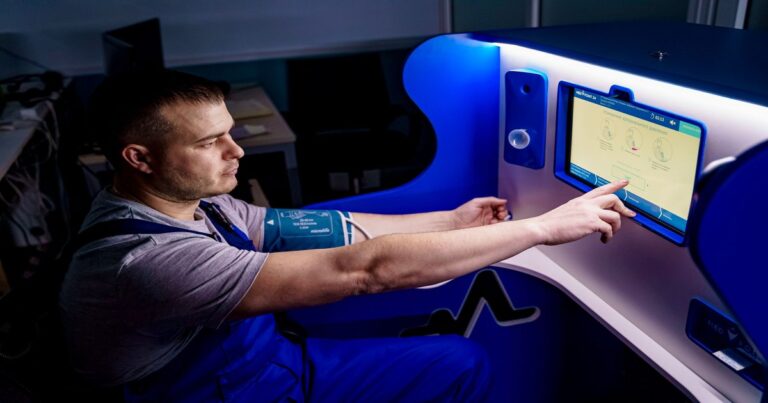
- Integrated Smart Scales and BP Cuffs: Devices that automatically upload weight and blood pressure data to a central hub, alerting clinicians to signs of fluid retention or hypertension.
- Continuous Glucose Monitoring (CGM) Integration: Seamlessly syncing blood sugar data with home displays, providing visual and auditory alerts for hypo- or hyperglycemia.
- Sleep Quality Analytics: Non-wearable sensors under the mattress that track heart rate, respiratory rate, and sleep cycles, identifying potential signs of sleep apnea or congestive heart failure.
- Virtual Nursing Assistant Hubs: Voice-first consoles that allow seniors to ask medical questions or conduct telehealth visits with their NYC-based physicians with a single command.
- Hydration Tracking: Smart water bottles or kitchen sensors that monitor fluid intake, crucial for preventing dehydration-related complications and urinary tract infections.
Security and Access Management for Care Teams
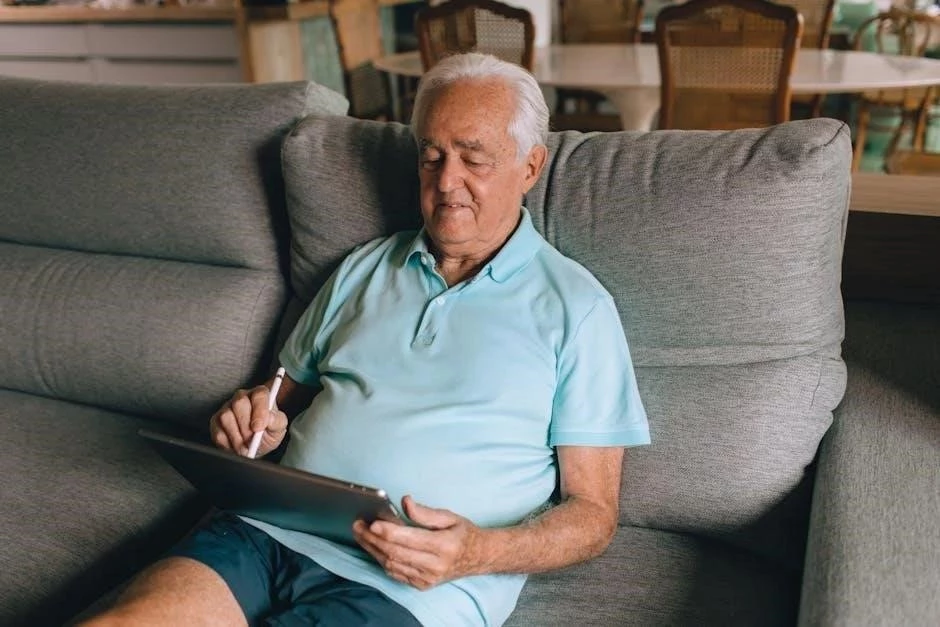
Managing who enters and exits the home is a key part of any Home Safety Guide for urban living. For NYC seniors who rely on home health aides or community services, a smart home setup for seniors 2026 provides a secure way to manage care teams while ensuring the senior remains safe and protected from unwanted intruders.
- Smart Video Doorbells: Allowing seniors to see and speak with visitors from their smartphone or tablet, preventing them from rushing to the door and risking a fall.
- Keyless Entry with Activity Logs: Using unique codes for different family members and aides, allowing families to verify that care providers have arrived and departed on schedule.
- Emergency Access Codes: Providing NYC fire and EMS personnel with temporary access codes in the event of a medical emergency, preventing the need for forced entry and door damage.
- Interior Safety Cameras with Privacy Shutter: Strategic placement of cameras in common areas that can be accessed by family only during an emergency, balanced with physical shutters for privacy.
- Geofencing for Dementia Care: Alerting caregivers if a senior with wandering tendencies leaves a “safe zone” or opens the front door during late-night hours.
Social Connectivity and Cognitive Stimulation
Social isolation is a significant health risk for seniors, comparable to smoking 15 cigarettes a day. A smart home setup for seniors 2026 uses technology to foster connection and maintain cognitive function, which is essential for seniors living in the fast-paced environment of New York City.
- Large-Screen Video Calling: Simplified interfaces that allow seniors to connect with family members across the five boroughs or around the world with voice commands.
- Digital Memory Frames: Remotely updated photo frames that allow family members to share new memories instantly, providing cognitive stimulation and a sense of belonging.
- Interactive Brain Games: Voice-activated puzzles and memory exercises designed to slow cognitive decline and keep the mind sharp.
- Community Integration Tools: Hubs that provide updates on local NYC senior center events, library programs, and neighborhood news, encouraging social participation.
- Social Robotics: Small, friendly robots that provide companionship, reminders for daily tasks, and a bridge to the digital world for those who find tablets or phones difficult to use.
Nurse Insight: In my experience working with families throughout NYC, the most successful smart home transitions are those that start small. Don’t try to install everything at once. Begin with a voice-activated assistant and smart lighting to help with nighttime navigation, then gradually add more clinical tools like medication dispensers. Most importantly, ensure the senior is part of the setup process; when they feel in control of the technology rather than monitored by it, their adherence to safety protocols increases significantly.
Frequently Asked Questions
Is a smart home setup for seniors 2026 expensive to maintain in NYC?
Will my loved ones privacy be compromised by these sensors?
What is the most important item in a Home Safety Guide for 2026?
Can these smart systems replace a home health aide?
How do we help a senior who is resistant to new technology?
Contact ProLife Home Care NYC for a free clinical assessment:(718) 232 – 2777