The 3-ADL Rule in New York (2026): What Seniors and Families Need to Know
The 3-ADL Rule in New York (2026) is a fundamental functional requirement for home care eligibility. In the ever-changing landscape of NYC healthcare, understanding this rule is the key to maintaining safety and dignity at home.

⚠️ 2026 Eligibility Update: Critical Summary
In 2026, the 3-ADL Rule serves as the mandatory clinical threshold for new Community Medicaid applicants. This means demonstrating a physical need for help with at least three core activities to qualify for personal care hours. This shift is monitored by the New York Independent Assessor (NYIA), making accurate reporting essential for families in Brooklyn, Manhattan, and Queens.
What Is the 3-ADL Rule?
The 3-ADL Rule in New York (2026) refers to a functional guideline used to evaluate whether a person needs assistance with three or more Activities of Daily Living (ADLs). These evaluations help determine eligibility for long-term care services, including home care and personal assistance programs.
ADLs are basic self-care tasks required for daily living. The rule does not diagnose a medical condition—it assesses real-life functioning. Difficulty with three or more ADLs typically signals a higher need for ongoing support to live safely at home.
Why the 3-ADL Rule Matters for Seniors
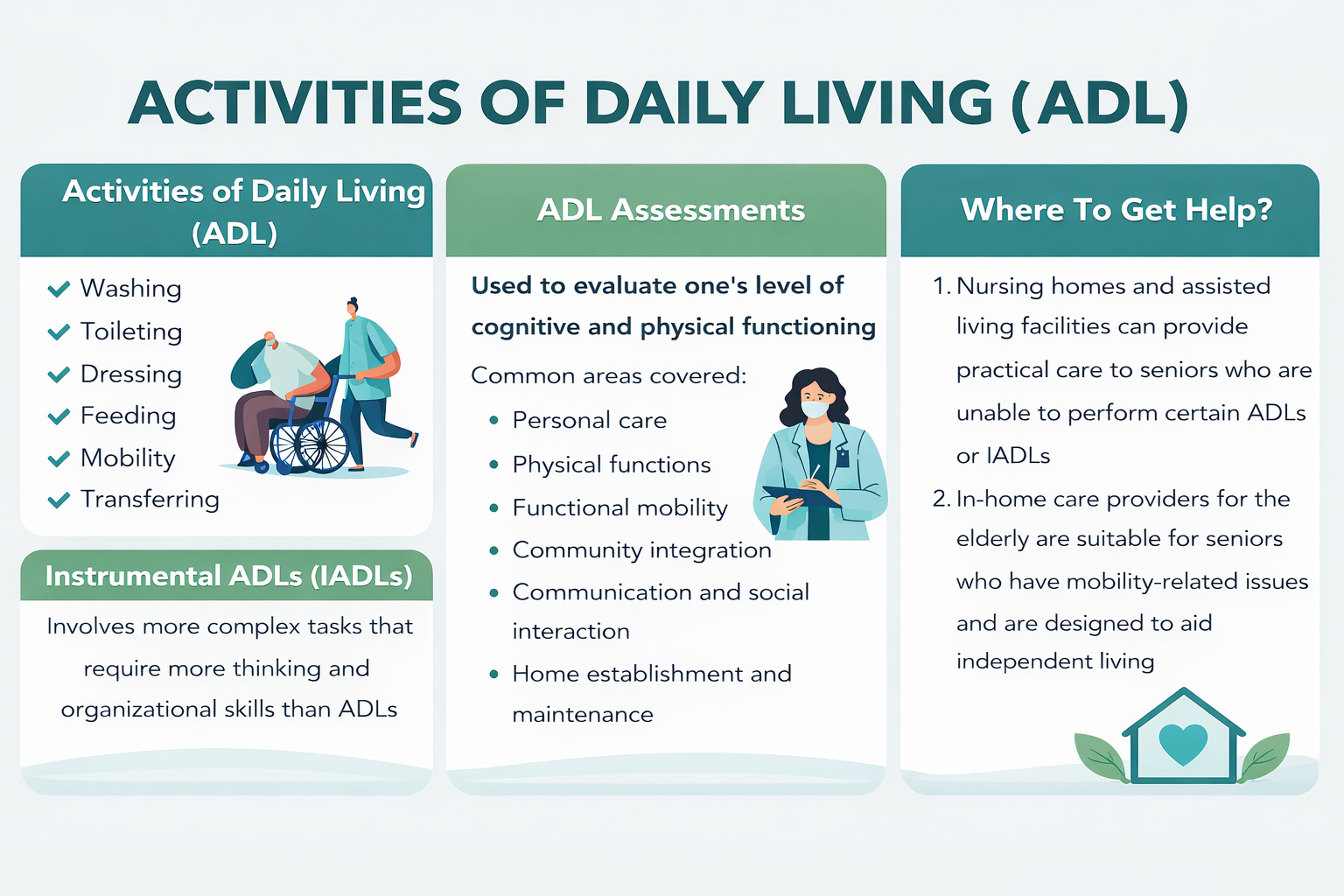
For seniors living in New York City, independence often depends on safely performing everyday tasks. Age-related changes in strength, balance, vision, or memory can turn routine activities into safety risks.
The 3-ADL Rule in New York (2026) places the focus on how a person functions day to day, rather than relying only on diagnoses or test results. This approach helps ensure that services are aligned with actual needs, dignity, and quality of life.
What Counts as an ADL (Activity of Daily Living)
Core ADLs Explained
Most assessments include the following core ADLs:
- Bathing and personal hygiene
- Dressing
- Toileting
- Transferring and mobility (getting in/out of bed or chairs, walking)
- Eating
Needing hands-on help, supervision, or cueing with three or more of these activities may indicate eligibility for expanded home care services. This is especially vital for those managing chronic arthritis or diabetes.
How the 3-ADL Rule Is Applied in New York
In New York, ADL assessments are used across long-term care programs, including Medicaid-funded home care. Trained assessors evaluate physical ability, cognitive status, and safety risks through interviews, observation, and medical documentation.
The 3-ADL Rule in New York (2026) functions as a decision-making benchmark, not an automatic approval or denial. Each case is reviewed individually, with attention to safety and daily living needs.
Who May Be Affected in 2026
Older Adults
As people age, managing ADLs can become harder—sometimes temporarily, such as after a fall or hospitalization. Even short-term limitations can affect assessment outcomes. Maintaining mobility through proper foot care is essential for navigating the city’s streets.
People With Disabilities
Individuals with physical, neurological, or cognitive disabilities may also meet the 3-ADL threshold if daily support is required for safe living at home. This often applies to those in various Alzheimer’s stages.
How the ADL Assessment Is Conducted
An ADL assessment typically includes:
- Questions about daily routines and challenges
- Observation of movement and self-care tasks
- Review of medical conditions and medications
- Consideration of home safety risks
Honesty is critical. Downplaying difficulties can result in insufficient services, while accurate descriptions help ensure appropriate support. For residents in Brighton Beach or Sheepshead Bay, being ready for the NYIA visit is paramount.
Impact of the 3-ADL Rule on Home Care Services
Assessment results may affect:
- Number of approved home care hours
- Type of services (personal care vs. household support)
- Need for additional evaluations or resources
The 3-ADL Rule in New York (2026) is intended to prioritize care for those with meaningful, ongoing functional limitations. For many, this determines eligibility for live-in care.
How to Prepare for an ADL Assessment
Helpful preparation tips include:
- Keeping a log of daily difficulties
- Describing bad days, not just good ones
- Preparing a medication and diagnosis list
- Having a family member or caregiver present
Preparation ensures the assessment reflects real-world needs. We suggest a home safety audit before the nurse arrives to highlight environmental barriers.
The Role of Family and Caregivers
Family members and caregivers often notice challenges that seniors may overlook or minimize. Their input can provide essential context during assessments and help protect the senior’s best interests. Official guidance and updates are provided by the New York State Department of Health. City-level resources are available at www.nyc.gov.
Expert FAQ: The 3-ADL Rule in 2026
1. Is the 3-ADL Rule a medical diagnosis?
2. Do I need problems with exactly three ADLs?
3. Can limitations be temporary?
4. Should I bring documents to the assessment?
5. Can a family member attend the assessment?
6. Where can I find official information?
7. Does this rule apply to CDPAP in 2026?
Conclusion
The 3-ADL Rule in New York (2026) is designed to better match home care services with real-life needs. Understanding how ADLs are evaluated—and preparing thoughtfully—helps seniors and families advocate effectively. The goal is not restriction, but safety, dignity, and the ability to live well at home.
Ensure Your 2026 Eligibility
Unsure if you meet the 3-ADL threshold in Brooklyn, Manhattan, or Queens? ProLife Home Care specializes in helping families succeed in their NYIA assessments. Contact us today for a free review.
Get Your Free Care Consultation