Navigating the aftermath of a traumatic brain injury is an incredibly emotional journey for Brooklyn families‚ requiring both professional expertise and deep compassion. As an NYC nurse‚ I have witnessed the profound resilience of patients who choose to recover in the comfort of their own neighborhoods surrounded by loved ones. Transitioning from a clinical setting to home care is a pivotal moment that demands a precise medical strategy to ensure long-term stability and cognitive growth. Our goal is to provide the specialized support necessary to bridge the gap between hospital discharge and a meaningful return to daily life in our vibrant community.
Clinical Quick Answer
Post-acute care for TBI involves a coordinated multidisciplinary approach that prioritizes neuroplasticity‚ safety‚ and symptom management within the home environment. By utilizing a specialized TBI rehabilitation at home Brooklyn program‚ patients can access physical‚ occupational‚ and speech therapy tailored to the unique layout and challenges of NYC living. Continuous monitoring by skilled nurses ensures that pharmacological interventions and behavioral strategies are adjusted in real-time to promote optimal neurological recovery.
Comprehensive Nursing Assessment NYC for TBI Patients
The foundation of any successful recovery plan begins with a thorough Nursing Assessment NYC. This is not a one-time event but a continuous process that evolves with the patient’s progress. In 2026‚ New York State regulations emphasize a holistic view of the patient‚ moving beyond simple vitals to include complex cognitive and environmental data. For TBI survivors‚ the assessment must be highly specialized to capture subtle neurological shifts.
- Baseline Neurological Screening: We perform detailed assessments using tools like the Glasgow Coma Scale (GCS) for those in early recovery phases and the Montreal Cognitive Assessment (MoCA) to track executive function and memory.
- Physical Mobility and Fall Risk: TBI often compromises balance; we evaluate the patient’s gait and the specific architecture of their Brooklyn home‚ focusing on narrow hallways or steep stairs that pose risks.
- Psychosocial Evaluation: Assessing the mental health of both the patient and the primary caregiver is essential‚ as TBI often leads to personality changes‚ depression‚ or anxiety.
- Medicaid UAS-NY Compliance: Our assessments are designed to meet the strict criteria of the Uniform Assessment System for New York‚ ensuring that the patient qualifies for the necessary level of Managed Long-Term Care (MLTC) services.
- Skin Integrity and Nutrition: For patients with limited mobility‚ we monitor for pressure ulcers and evaluate swallowing capabilities (dysphagia) to prevent aspiration pneumonia.
Structuring TBI Rehabilitation at Home Brooklyn
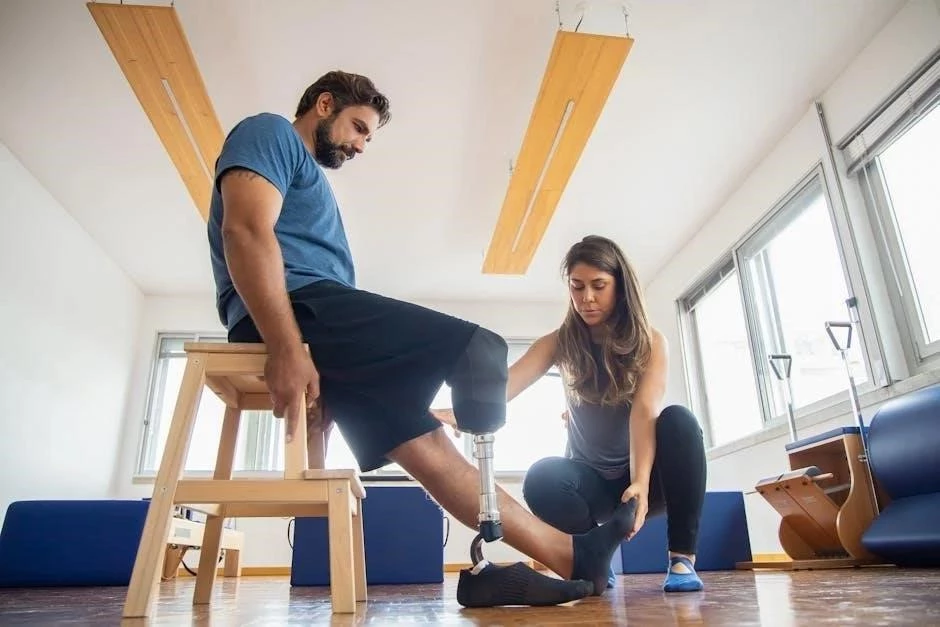
Recovery in a borough as dense and active as Brooklyn requires a specialized approach to rehabilitation. Traditional outpatient clinics can be difficult to access due to transit challenges‚ making TBI rehabilitation at home Brooklyn a superior option for many. This model brings the “clinic” to the living room‚ allowing therapists to work with patients in the actual environment where they need to function.
- Integrated Therapy Teams: We coordinate schedules between Physical Therapists (PT)‚ Occupational Therapists (OT)‚ and Speech-Language Pathologists (SLP) to ensure the patient is not overwhelmed but remains consistently challenged.
- Community Integration Exercises: As the patient progresses‚ we incorporate supervised trips to local Brooklyn parks or shops to practice social interactions and navigation in a controlled manner.
- ADL Training: Occupational therapy focuses on Activities of Daily Living (ADLs) specifically tailored to the patient’s home‚ such as using their own kitchen appliances or navigating their specific bathroom setup.
- Cognitive Retraining: Nurses and therapists use memory aids‚ digital apps‚ and routine-building exercises to help the brain forge new neural pathways around damaged areas.
- Family Education: We train family members on how to assist with exercises without over-functioning for the patient‚ fostering independence at every stage.
Pharmacological Management and Neuroplasticity Support
Managing medications after a TBI is a delicate balancing act. NYC nurses play a critical role in monitoring the efficacy of drugs used to manage seizures‚ spasticity‚ and mood disorders while ensuring they do not interfere with the patient’s cognitive clarity. In 2026‚ there is an increased focus on precision medicine and minimizing the use of heavy sedatives in the TBI population.
- Seizure Prophylaxis: Many TBI patients are at high risk for post-traumatic epilepsy; nurses monitor for subclinical seizures and ensure strict adherence to anticonvulsant regimens.
- Spasticity Management: We coordinate with neurologists regarding the use of muscle relaxants or Botox injections‚ monitoring for improved range of motion and reduced pain.
- Cognitive Enhancers: Some patients benefit from medications that improve attention and alertness; we document daily behavioral responses to help physicians titrate these dosages accurately.
- Side Effect Monitoring: TBI-affected brains are often hypersensitive to medications; we watch for paradoxical reactions‚ excessive lethargy‚ or increased confusion.
- Pain Management: Chronic headaches are common post-TBI; we implement non-pharmacological interventions like dark-room therapy and hydration tracking alongside prescribed analgesics.
Managing Behavioral and Emotional Changes in the Home
One of the most challenging aspects of TBI for Brooklyn families is the change in the patient’s personality or emotional regulation. Nursing care involves creating a “therapeutic environment” that minimizes triggers for agitation and supports emotional stability. This requires a deep understanding of the patient’s pre-injury personality and current neurological limitations.
- Routine Stabilization: We help families establish a rigid daily schedule‚ which provides a sense of security and reduces the cognitive load on the patient.
- Environmental Modification: Reducing noise pollution—common in NYC—and controlling lighting can significantly decrease the frequency of “meltdowns” or sensory overload.
- De-escalation Techniques: Nurses train caregivers on how to recognize the early signs of frustration and use redirection or calming strategies before a behavioral crisis occurs.
- Support for Caregiver Burnout: We provide resources for local Brooklyn support groups and respite care‚ recognizing that the emotional toll on the family is significant.
- Social Re-engagement: We slowly reintroduce social stimuli‚ helping the patient navigate conversations and social cues that may have become difficult after the injury.
NYC Medicaid and MLTC Navigation for 2026 Rules
The landscape of NYC home care is constantly shifting. By 2026‚ New York’s Medicaid system has implemented stricter documentation requirements for TBI patients under Managed Long-Term Care (MLTC) plans. Navigating these rules is essential to maintain the high level of care required for brain injury recovery without interruption.
- CDPAP Integration: For many families‚ the Consumer Directed Personal Assistance Program (CDPAP) allows them to hire family members as caregivers; we assist in the clinical documentation required to justify the hours needed.
- UAS-NY Re-assessments: We prepare patients for their periodic state-mandated assessments to ensure their “NHTD” (Nursing Home Transition and Diversion) waiver or MLTC status reflects their actual clinical needs.
- Documentation of Medical Necessity: Our nurses provide the detailed clinical notes that insurance providers require to continue funding intensive home-based rehabilitation.
- Coordination with Health Homes: We act as a liaison between the various specialists‚ primary care physicians‚ and the insurance case manager to ensure a unified care plan.
- Advocacy for Home Modifications: We help document the clinical need for home modifications‚ such as ramps or specialized bathroom equipment‚ which can be partially covered under certain NYC programs.
Safety Protocols and Long-Term Wellness in the NYC Environment
Safety is the primary concern for TBI patients living in an urban environment like Brooklyn. The combination of cognitive impairment and physical instability requires a proactive safety strategy. Our nursing protocols are designed to anticipate risks before they lead to hospital readmission.
- Wandering Prevention: For patients with memory loss or disorientation‚ we suggest the use of GPS tracking devices and specialized door alarms to prevent them from getting lost in the city.
- Emergency Response Planning: Every home is equipped with a clear emergency plan‚ including contact information for the nearest stroke/trauma center and a list of current medications for EMS.
- Infection Control: Post-TBI patients may have weakened immune systems or be prone to UTIs if they have neurogenic bladder issues; we perform regular screenings to catch infections early.
- Nutritional Support: We work with nutritionists to ensure the patient is receiving “brain-healthy” fats and antioxidants that support neural repair while monitoring for weight fluctuations.
- Transition to Independence: As the patient improves‚ we gradually fade our level of support‚ empowering them to take over their own care tasks while maintaining a safety net of professional oversight.
Nurse Insight: In my experience working with TBI survivors across Brooklyn‚ the most successful recoveries happen when we stop looking at the patient as a “case” and start looking at their home as a “healing center.” I’ve seen patients who were told they might never walk again eventually navigate the sidewalks of Prospect Park‚ all because their home care team stayed consistent with their goals. My best advice for families is to be patient with the small wins—sometimes a patient remembering a daily routine is a bigger victory than any physical milestone. Always ensure your Nursing Assessment NYC is updated whenever you notice even the slightest change in mood or movement‚ as early intervention is the key to preventing setbacks.
Frequently Asked Questions
Contact ProLife Home Care NYC for a free clinical assessment:(718) 232 – 2777