Navigating the transition of keeping an aging parent safe in their beloved New York City apartment can feel overwhelming for any family․ As a senior NYC nurse, I have sat with countless children who are desperately trying to balance their loved one’s independence with the urgent need for fall prevention and medical accommodations․ Securing a Power of Attorney (POA) is often the most vital step you can take to legally protect your family and swiftly implement these life-saving environmental changes․ By taking control of the modification process, you are not just altering an apartment; you are preserving your family member’s dignity and ensuring their safe haven remains exactly that․
Clinical Quick Answer
A Power of Attorney (POA) grants a designated family member or proxy the legal authority to sign contracts, approve architectural changes, and utilize the principal’s funds to install medically necessary home safety modifications in NYC apartments․ With a properly executed Durable POA, agents can directly negotiate with landlords, bypass uncooperative co-op boards to request reasonable accommodations, and coordinate with contractors without requiring the cognitively or physically impaired principal’s signature․ This legal instrument is essential for expediting environmental adaptations, preventing falls, and ensuring a safe aging-in-place strategy․
Understanding the Role of Power of Attorney in Home Safety
When an elderly family member begins to experience a decline in mobility or cognitive function, modifying their living environment becomes a clinical imperative rather than a mere preference․ However, executing these changes in a New York City apartment involves signing contracts, navigating complex lease agreements, and authorizing the use of funds․ This is where a Durable Power of Attorney (POA) becomes an indispensable tool․ A POA is a legal document that allows a principal (your aging loved one) to appoint an agent (usually a family member) to manage their financial and legal affairs․ Unlike a standard POA, a “Durable” POA remains in effect even if the principal becomes incapacitated due to dementia, a stroke, or a severe fall․
In the context of home safety modifications, the POA must explicitly grant powers related to real estate transactions, claims and litigation, and banking transactions․ With these powers, the agent acts legally as the principal․ They can withdraw funds from the principal’s bank account to pay contractors, sign alteration agreements with building management, and sign off on liability waivers․ Without a POA, if your parent is hospitalized and unable to consent to changes, you may be legally barred from installing a simple wheelchair ramp or grab bars in their apartment until you obtain a costly and time-consuming court guardianship․
- Durable vs․ Non-Durable: Ensure the POA is durable so your authority continues during medical emergencies or cognitive decline․
- Specific Granted Powers: The document must include provisions for real estate transactions, contract negotiations, and financial disbursements․
- New York State Forms: Use the standard New York State Statutory Short Form POA, ensuring it is properly signed, initialed, and notarized to be recognized by NYC landlords and banks․
- Immediate Action: A POA allows families to bypass bureaucratic delays and implement urgent safety changes before the patient is discharged from a hospital or rehab facility․
Navigating NYC Landlord Approvals and Reasonable Accommodations
New York City poses unique housing challenges․ Between pre-war walk-ups, strict co-op boards, and high-density apartment buildings, getting permission to alter a living space can be daunting․ However, both federal and local laws heavily protect the rights of the disabled and elderly․ Under the Fair Housing Act (FHA) and the New York City Human Rights Law, landlords, co-op boards, and condo associations are required to allow “reasonable accommodations” and structural modifications for individuals with disabilities․ As the POA, it is your legal right to request these modifications on behalf of your loved one․
When approaching a landlord or management company, the POA should submit a formal, written request outlining the necessary structural changes․ Building managers may initially push back, citing building aesthetics or lease clauses that prohibit alterations․ As the authorized agent, you can legally counter these objections by presenting the POA alongside a Letter of Medical Necessity (LMN) from the principal’s primary care physician, nurse practitioner, or occupational therapist․ While the tenant is generally responsible for the cost of the modifications in private rentals, the landlord cannot unreasonably withhold consent․ In some cases, you may need to agree (in writing) to return the apartment to its original condition when the tenancy ends․
- Formal Written Requests: Always submit modification requests in writing via certified mail, attaching a certified copy of the POA document․
- Co-op Alteration Agreements: Co-op boards have strict alteration agreements; the POA must review and sign these documents, ensuring they do not violate reasonable accommodation laws․ Free Equipment Guide
- Restoration Clauses: Be prepared to negotiate restoration clauses, agreeing to remove items like ramps or specialized tubs if your loved one moves out․
- Legal Recourse: If a landlord denies a medically necessary request, the POA can file a complaint with the NYC Commission on Human Rights․
Essential Clinical Modifications for Fall Prevention
From a clinical standpoint, the apartment must be transformed from a high-risk hazard zone into a secure healing environment․ The bathroom is statistically the most dangerous room in the house for seniors, accounting for the vast majority of severe falls, hip fractures, and traumatic brain injuries․ As a POA, prioritizing specific clinical modifications is vital for safeguarding your parent’s physical well-being․ These changes are not just cosmetic; they are carefully calculated interventions prescribed by healthcare professionals to compensate for diminished balance, reduced vision, and muscle weakness․
Occupational therapists (OT) or physical therapists (PT) often conduct a home safety evaluation to determine precisely what needs to be changed․ The POA takes the results of this clinical assessment and translates them into actionable construction tasks․ This often includes ripping out standard bathtubs to install roll-in or walk-in showers, widening narrow pre-war doorways to accommodate wheelchairs or wide walkers, and changing standard doorknobs to lever handles for seniors with severe arthritis․ Every modification authorized by the POA directly impacts the daily clinical outcomes of the aging patient․
- Bathroom Safety: Installation of ADA-compliant grab bars near the toilet and shower, anti-scald mixing valves, and elevated toilet seats․
- Mobility Access: Widening doorways to a minimum of 32 inches, installing low-gradient wheelchair ramps over thresholds, and removing all trip hazards like deep-pile carpets․
- Lighting and Visibility: Adding motion-sensor lighting in hallways, under-bed lighting, and high-contrast edge strips on stairs for patients with macular degeneration or cataracts․
- Dementia Safeguards: For patients with cognitive decline, the POA might authorize the installation of stove-shutoff devices, disguised exit doors to prevent wandering, and smart home monitoring systems․
Financing Modifications: Private Funds and NY State DOH Programs
Home safety modifications in New York City can be expensive․ Converting a bathroom to be handicap accessible can easily run into the tens of thousands of dollars․ The POA holds the fiduciary responsibility to fund these modifications prudently․ If the principal has sufficient private assets, the POA can authorize withdrawals from savings or checking accounts to pay contractors directly․ However, many aging New Yorkers live on fixed incomes, making out-of-pocket payments impossible․ In these scenarios, the POA must navigate state and federal assistance programs․
New York State offers robust Medicaid waiver programs designed to keep seniors in their homes and out of skilled nursing facilities․ Programs such as the Nursing Home Transition and Diversion (NHTD) waiver or the Community First Choice Option (CFCO) provide specific funding for Environmental Modifications (E-Mods)․ The POA is responsible for signing the application paperwork, coordinating with the Medicaid Service Coordinator, and managing the bidding process among state-approved contractors․ For detailed guidelines on Medicaid eligibility and available E-Mod services, the POA should consult the NY State DOH․ Additionally, the POA can explore veterans’ benefits, local NYC non-profit grants, or low-interest home modification loans․
- Fiduciary Duty: The POA must keep meticulous records of all principal funds spent on home modifications to avoid claims of financial abuse from other relatives․
- Medicaid E-Mods: E-Mods can cover structural changes up to a specific monetary cap per year; the POA signs all required Medicaid authorization forms․
- Tax Deductions: The POA should work with an accountant, as medically necessary home modifications can often be claimed as deductible medical expenses on the principal’s tax returns․
- Grant Programs: Investigate the NYC Department for the Aging (DFTA) and organizations like Rebuilding Together NYC for potential financial assistance․
Working with Contractors and Building Management as a POA
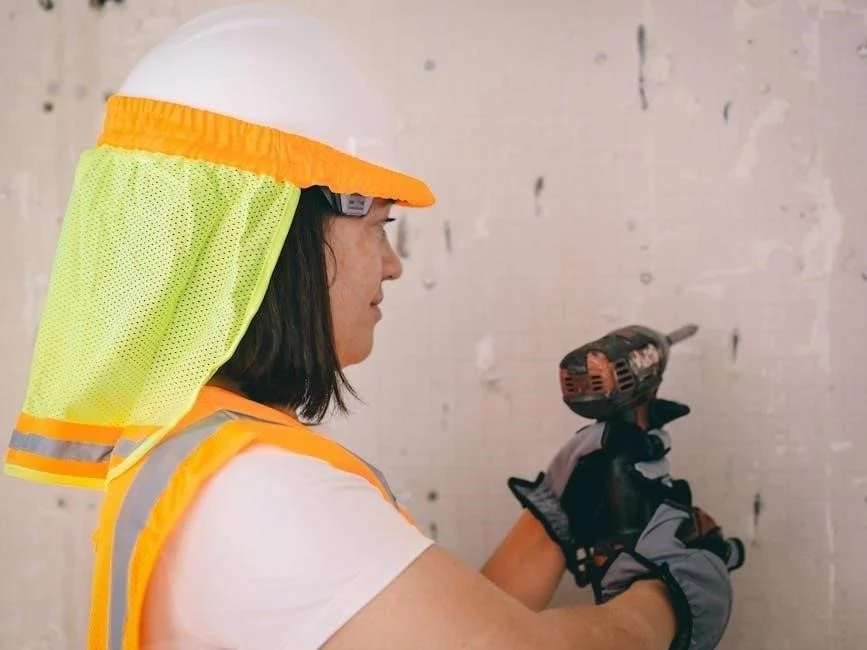
Executing the physical labor of home modifications requires hiring contractors, which in New York City is a heavily regulated process․ As the legal agent, the POA steps into the shoes of the homeowner or tenant to interview, hire, and manage construction professionals․ You cannot simply hire a handyman to install grab bars in an NYC high-rise․ Building management will demand that any worker entering the premises is fully licensed, bonded, and insured․ The POA is legally tasked with signing the service contracts and ensuring that the contractors adhere to the strict guidelines set forth by the building’s management․
One of the most critical documents the POA must secure from the contractor is the Certificate of Insurance (COI)․ NYC landlords require a COI that specifically names the building owner, management company, and the principal tenant as additionally insured parties before a hammer is ever swung․ If the apartment is in a pre-1978 building, the POA must also ensure the contractor holds EPA Lead-Safe Certification, as modifying old walls can release toxic lead dust, posing severe respiratory and neurological risks to the elderly tenant․ The POA acts as the project manager, fielding calls from the super, the contractor, and the clinical team․
- Vetting Contractors: Always hire licensed home improvement contractors (HIC) regulated by the NYC Department of Consumer and Worker Protection․
- Certificate of Insurance (COI): The POA must present the contractor’s COI to the building’s management office for approval prior to the start of any work․
- Permits and Plumbers: Plumbing modifications, such as moving a toilet or installing a roll-in shower, require NYC Department of Buildings (DOB) permits and a licensed master plumber․
- Signing Authority: The POA signs all estimates, work orders, change orders, and final completion certificates on behalf of the elderly patient․
Documenting Clinical Necessity to Expedite POA Approvals
While the POA provides the legal authority to act, clinical documentation provides the leverage needed to force uncooperative landlords, co-op boards, or insurance companies to approve the modifications․ Without clinical proof, a co-op board might dismiss a request for a widened doorway as an unnecessary architectural change․ The key to expediting any home safety modification in NYC is building an undeniable medical case․ The POA must collaborate closely with the patient’s interdisciplinary healthcare team to gather this evidence․
The cornerstone of this documentation is the Letter of Medical Necessity (LMN)․ This letter, typically drafted by a geriatrician, neurologist, or advanced practice nurse, must explicitly link the requested apartment modification to the patient’s specific medical diagnosis and functional deficits․ For example, rather than stating “the patient needs a ramp,” the LMN should state, “Due to severe bilateral osteoarthritis and a history of falls (ICD-10 code W19), a zero-threshold ramp is medically necessary to accommodate the patient’s rolling walker and prevent future traumatic injuries․” The POA aggregates these LMNs, along with OT/PT home assessment reports and hospital discharge summaries, to create a comprehensive modification dossier․
- Letter of Medical Necessity (LMN): Obtain a detailed LMN from the primary care provider highlighting diagnoses, risks, and required interventions․
- Therapy Assessments: Include formal home safety evaluation reports from licensed Occupational or Physical Therapists․
- Hospital Discharge Orders: If the modification is triggered by a recent hospitalization, utilize the social worker’s discharge plan that mandates specific environmental changes․
- Photographic Evidence: The POA should take photos of the current apartment hazards (e․g․, a high step into a shower) to submit alongside the clinical documentation to the landlord or Medicaid․
Nurse Insight: In my experience, families often wait until after a devastating fall to realize they need grab bars, a shower seat, or a wheelchair-accessible entryway, only to find out they cannot legally authorize the apartment changes because they lack a Power of Attorney․ I always advise my patients’ children to establish a Durable POA while their parent is still cognitively sharp and independent․ When you have that legal document in hand, bypassing a stubborn NYC co-op board or landlord to install a crucial ramp or bathroom modification becomes a matter of legal right rather than a prolonged, stressful negotiation․ Preparedness is the best preventative medicine․
Frequently Asked Questions
What specific home safety modifications can a POA approve in an NYC apartment?
A Power of Attorney (POA) with appropriate financial and real estate powers can approve any modification medically necessary for the principal’s safety․ This includes installing bathroom grab bars, roll-in showers, wheelchair ramps, widening doorways, lowering kitchen counters, and adding smart home security systems for dementia patients․ The POA signs the contractor agreements and authorizes the payment using the principal’s funds․
Do NYC landlords have to allow modifications approved by a POA?
Yes․ Under the Fair Housing Act and the New York City Human Rights Law, landlords and co-op boards must permit reasonable accommodations and structural modifications for disabled or elderly tenants․ As long as the POA provides proper documentation, including a Letter of Medical Necessity, and agrees to restore the apartment to its original condition upon moving out (if required), the landlord cannot legally block these medically necessary changes․
How does Medicaid cover home modifications approved by a POA?
In New York State, Medicaid waiver programs like the Nursing Home Transition and Diversion (NHTD) waiver or the Community First Choice Option (CFCO) can fund environmental modifications (E-Mods)․ The POA works with a Medicaid service coordinator to submit the required clinical assessments and contractor bids to secure funding for home safety upgrades․
What documentation does a landlord need from a POA to start modifications?
A landlord or co-op board typically requires a certified copy of the Durable Power of Attorney document, a Letter of Medical Necessity from a physician or nurse practitioner, detailed architectural plans or contractor scopes of work, and Certificates of Insurance (COI) from the licensed contractors performing the safety upgrades․
Can a POA sign contracts with contractors for home modifications?
Yes․ As long as the Power of Attorney grants authority over real estate transactions, contracts, and banking/financial matters, the designated agent can legally sign binding agreements with contractors, architects, and building management to execute the apartment modifications on behalf of the principal․
Contact ProLife Home Care NYC for a free clinical assessment:(718) 232 – 2777
Contact ProLife Home Care NYC for a free clinical assessment: (718) 232-2777