Navigating the complexities of home care can feel overwhelming for many families in New York City, especially when urgent medical support is required. We understand that your priority is ensuring your loved ones receive the highest quality of professional care without unnecessary delays or administrative stress. Our innovative approach to virtual onboarding is designed to simplify this transition, providing a compassionate and efficient path to starting essential services. By leveraging modern technology, we bring expert clinical oversight directly to your living room, ensuring safety and comfort from the very first interaction.
Clinical Quick Answer
Virtual onboarding utilizes high-definition telecommunication tools to conduct a comprehensive Remote clinical evaluation NYC home, significantly reducing the waiting time for essential care services. This process involves a detailed Nursing Evaluation where a registered nurse assesses the patient’s physical, cognitive, and environmental needs through a secure, HIPAA-compliant video link. By choosing this modern approach for NYC home care services, families can bypass the logistical hurdles of traditional in-person visits while maintaining the highest clinical standards required for Medicaid and MLTC compliance.
The Evolution of Nursing Evaluation in the Digital Age
The landscape of healthcare in New York City has undergone a dramatic transformation, shifting from traditional bedside assessments to a more dynamic, technology-driven model. A Nursing Evaluation remains the cornerstone of home care, but the method of delivery has evolved to meet the needs of a fast-paced urban environment. In the past, scheduling an in-home assessment could take weeks, leaving vulnerable patients without care during critical transition periods. Today, virtual onboarding leverages high-speed internet and secure video platforms to bridge this gap.
- Reduction in wait times from weeks to mere days or even hours for initial clinical reviews.
- Increased accessibility for patients living in high-traffic or remote areas of the five boroughs.
- Minimization of exposure to pathogens, which is particularly vital for immunocompromised or elderly individuals.
- Immediate digital integration of assessment data into the patient’s electronic health record (EHR).
- Enhanced collaboration between the evaluating nurse, the primary care physician, and the family.
- Streamlined communication with Managed Long Term Care (MLTC) plans for faster authorization.
Core Components of a Remote Clinical Evaluation NYC Home
A Remote clinical evaluation NYC home is not merely a video call; it is a structured, systematic clinical process designed to capture a 360-degree view of the patient's health status. Registered Nurses (RNs) use standardized protocols to ensure that every aspect of the patient’s well-being is documented with precision. During the session, the nurse guides the patient and their caregiver through a series of observations and questions that mirror an in-person visit. This ensures that the care plan developed is both safe and effective for the patient’s specific environment.
- Assessment of Activities of Daily Living (ADLs) including mobility, dressing, and personal hygiene.
- Evaluation of Instrumental Activities of Daily Living (IADLs) such as meal preparation and medication management.
- Cognitive screening to identify signs of dementia, Alzheimer's, or other memory-related impairments.
- Visual inspection of the home environment to identify potential fall hazards or safety risks.
- Review of current medications, dosages, and compliance strategies.
- Monitoring of vital signs where the caregiver assists with home-based diagnostic tools like blood pressure cuffs or pulse oximeters.
How ProLife Technology Ensures Accuracy and HIPAA Compliance
Security and accuracy are the two pillars of any digital healthcare initiative. At ProLife, we utilize proprietary and third-party platforms that exceed federal HIPAA requirements for data encryption and patient privacy. When conducting a Nursing Evaluation virtually, the clarity of the video and audio is paramount. Our technology allows for high-definition observation, enabling nurses to see subtle clinical signs such as skin pallor, surgical site healing, or tremors. This level of detail is essential for creating a valid clinical record that stands up to the scrutiny of state auditors and insurance providers.
- End-to-end encryption for all video and audio transmissions to prevent data breaches.
- Multi-factor authentication for both clinical staff and patient access portals.
- Digital signature integration for immediate consent and document verification.
- Cloud-based storage that allows for real-time updates to the patient's care plan.
- Automated reminders and technical support for families who may not be tech-savvy.
- Compatibility with various devices, including tablets, smartphones, and laptops, to ensure no family is left behind.
The Role of Family Caregivers in Virtual Onboarding
In a virtual setting, the family caregiver or designated representative plays a crucial role as the “hands and eyes” of the evaluating nurse. This partnership is what makes a Remote clinical evaluation NYC home successful. The nurse will provide clear, step-by-step instructions to the caregiver on how to assist with the physical aspects of the assessment. This collaborative approach not only ensures clinical thoroughness but also empowers the family by involving them directly in the care-planning process from day one.
- Assisting with camera placement to provide the nurse with a clear view of the patient's movements.
- Helping the patient demonstrate mobility, such as standing from a seated position or walking a short distance.
- Showing the nurse the patient’s medication bottles and pharmacy labels for accurate reconciliation.
- Providing historical context regarding the patient's health changes that the patient might omit.
- Validating the home environment's suitability for specific medical equipment like hospital beds or lifts.
- Acting as a bridge for communication if the patient has hearing or speech difficulties.
Navigating NYC Medicaid and MLTC via Virtual Assessments
New York State has specific regulations regarding the use of telehealth for home care authorizations. Understanding the interplay between a Remote clinical evaluation NYC home and the Uniform Assessment System (UAS-NY) is vital for successful enrollment. Our clinical team is well-versed in the requirements set forth by the Department of Health (DOH) and the Human Resources Administration (HRA). By conducting a thorough virtual Nursing Evaluation, we gather the necessary clinical evidence to justify the requested hours of care, whether through the Consumer Directed Personal Assistance Program (CDPAP) or traditional home health aide services.
- Alignment with New York State telehealth parity laws to ensure assessments are recognized by insurers.
- Direct coordination with MLTC coordinators to submit virtual assessment findings immediately.
- Detailed documentation of “social determinants of health” that may impact the patient's ability to remain at home.
- Expert guidance on navigating the Conflict-Free Evaluation and Enrollment Center (CFEEC) requirements.
- Speeding up the “Tasking Tool” creation which determines the specific hours of care allocated.
- Ensuring all clinical justifications for 24-hour or split-shift care are meticulously documented.
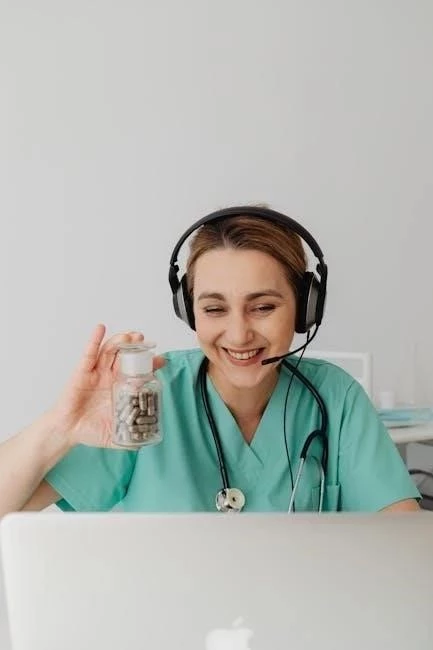
The Future of Home Care: Beyond the Initial Assessment
Virtual onboarding is just the beginning of a technology-enabled care journey. Once the initial Nursing Evaluation is complete and care has started, the digital infrastructure remains in place to provide ongoing support. This creates a continuum of care that is more responsive than traditional models. In a city as large as New York, the ability to connect a patient with a clinical specialist instantly can prevent unnecessary emergency room visits and hospital readmissions. The integration of remote monitoring and virtual check-ins ensures that the care plan remains a “living document” that adapts to the patient’s changing needs.
- Scheduled virtual follow-ups to monitor progress and adjust care plans as needed.
- Instant access to nursing consultations for caregivers when new symptoms arise.
- Integration with wearable health tech for continuous monitoring of chronic conditions.
- Virtual support groups and education sessions for family caregivers.
- Seamless transitions between different levels of care (e;g., from post-op to long-term maintenance).
- Improved data analytics to identify trends and prevent health crises before they occur.
Nurse Insight: In my experience, families are often surprised by how thorough a virtual Nursing Evaluation can be. I recall a case in Brooklyn where a daughter was worried her mother wouldn’t get enough care hours because the nurse wasn’t “physically there.” However, by using the camera to show me the mother's difficulty in the kitchen and the steep stairs in their brownstone, I was able to document environmental risks more vividly than a standard form ever could. My advice is to treat the virtual assessment as an open dialogue; don’t be afraid to point the camera at things you find challenging. The more we see, the better we can advocate for the hours your family truly needs.
Frequently Asked Questions
Is a virtual Nursing Evaluation as accurate as an in-person visit?
What equipment do I need for a Remote clinical evaluation NYC home?
How long does the virtual onboarding process take?
Is my health information safe during a virtual assessment?
Does NYC Medicaid accept virtual evaluations for CDPAP?
Contact ProLife Home Care NYC for a free clinical assessment:(718) 232 – 2777
Contact ProLife Home Care NYC for a free clinical assessment: (718) 232-2777