As a senior nurse here in New York City, I know that caring for an aging parent in our fast-paced urban environment can feel overwhelming. Helping your loved ones manage their vitals is one of the most impactful ways you can support their independence and longevity. By bringing clinical-grade tools into the comfort of your living room, you are creating a safety net that spans the gap between doctor visits. We are all in this together, ensuring our seniors receive the gold-standard care they deserve right here at home.
Clinical Quick Answer
Monitoring senior blood pressure at home provides a more accurate representation of a patient’s cardiovascular state by eliminating the white coat syndrome often triggered in clinical settings. Effective Cardiac Health Monitoring involves using a validated digital arm cuff, taking readings at the same time daily, and maintaining a detailed log for physician review. This proactive approach allows for early detection of hypertension trends and more precise medication adjustments for NYC residents.
The Critical Role of Monitoring Senior Blood Pressure at Home
- Monitoring senior blood pressure at home helps detect “masked hypertension,” where readings appear normal in the doctor’s office but are elevated during daily life.
- It reduces the stress of NYC commutes to clinics, which can artificially inflate blood pressure readings before a patient even sees their provider.
- Home tracking allows for the evaluation of how lifestyle changes, such as reduced sodium intake or increased walking in Central Park, affect cardiovascular health over time.
- Consistent data helps doctors fine-tune antihypertensive medications, reducing the risk of side effects like dizziness or falls in the elderly.
- It empowers family caregivers to become active participants in the senior’s healthcare team, fostering better communication with specialists.
- Long-term data collection is essential for identifying patterns that might indicate a need for more intensive Cardiac Health Monitoring.
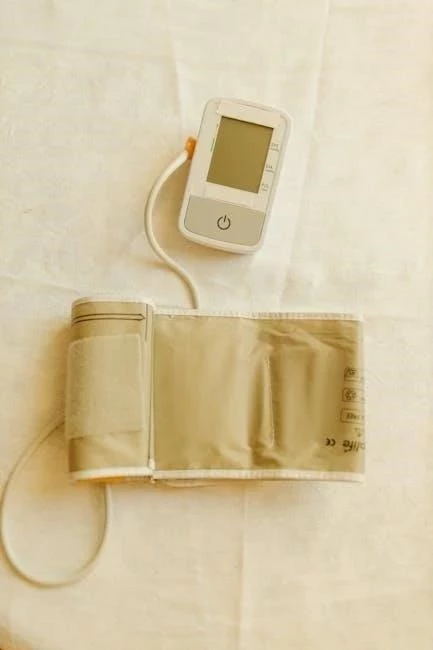
Essential Equipment for Comprehensive Cardiac Health Monitoring
- Choose an automated, upper-arm cuff monitor rather than a wrist monitor, as arm cuffs are generally more accurate for seniors with thinner skin or circulatory issues.
- Ensure the cuff is the correct size; a cuff that is too small can provide falsely high readings, which is a common error in home settings.
- Look for devices that are “validated,” meaning they have undergone independent testing to ensure they meet international clinical standards.
- Select a monitor with a large, backlit display and a memory function that stores at least 30 to 60 previous readings for easy review.
- Consider “smart” monitors that sync with smartphone apps, allowing NYC family members to track their parents’ vitals remotely via the cloud.
- Check if the device includes an irregular heartbeat detector, an essential feature for early Cardiac Health Monitoring and stroke prevention.
Correct Positioning and Technique for NYC Seniors
- The senior should sit in a sturdy chair with their back supported and feet flat on the floor; crossing legs can increase blood pressure by up to 10 mmHg.
- Ensure the arm is resting on a flat surface, like a dining table, with the bicep at the same level as the heart.
- The senior must remain quiet and still for at least five minutes before the reading begins to allow the cardiovascular system to reach a resting state.
- Avoid caffeine, tobacco, or heavy exercise for at least 30 minutes prior to Monitoring senior blood pressure at home.
- The cuff should be placed on bare skin, not over clothing, about an inch above the bend in the elbow.
- Perform two or three readings, one minute apart, and record the average for the most accurate daily data point.
Interpreting the Data: What the Numbers Mean for NYC Residents
- A normal reading for most seniors is generally considered to be below 130/80 mmHg, though targets may vary based on individual health history.
- The top number (systolic) measures the pressure in the arteries when the heart beats, which is often the primary focus in senior Cardiac Health Monitoring.
- The bottom number (diastolic) measures the pressure in the arteries when the heart rests between beats.
- Isolated systolic hypertension—where only the top number is high—is common in older adults due to the stiffening of major arteries.
- Consistently high readings (Stage 1 or Stage 2 hypertension) require a consultation with a cardiologist to prevent long-term damage to the kidneys and brain.
- Low blood pressure (hypotension), typically below 90/60 mmHg, can cause fainting and increase the risk of fractures among NYC seniors navigating public transit.
Overcoming Common Challenges in Urban Home Monitoring
- NYC apartments can be noisy; use noise-canceling headphones or choose the quietest room in the home to prevent “environmental stress” from skewing results.
- If the senior has arthritis, look for “easy-wrap” cuffs that can be put on with one hand or have simple D-ring closures.
- For those with visual impairments, “talking” blood pressure monitors are available that announce the results loudly and clearly.
- Address “cuff anxiety” by having the senior wear the cuff for a few minutes without turning the machine on, helping them desensitize to the pressure sensation.
- Keep a physical logbook next to the monitor as a backup to digital storage, ensuring no data is lost during power outages or technical glitches.
- Coordinate with local NYC pharmacies that offer free blood pressure checks to verify your home device’s accuracy periodically.
Integrating Home Vitals with New York Health Systems
- Many NYC hospital systems, such as Mount Sinai and NYU Langone, offer patient portals where home blood pressure data can be uploaded directly.
- Sharing home logs during telehealth appointments is a vital part of modern Cardiac Health Monitoring, allowing for remote “office visits.”
- Consult the NY State DOH website for resources on hypertension management and local community health programs.
- Discuss your home monitoring findings with a Visiting Nurse Service (VNS) if your loved one qualifies for home health care in the five boroughs.
- Ensure that all family caregivers—including paid home health aides—are trained on the specific monitor used in the home to maintain data integrity.
- Use the data to advocate for your loved one during Medicare or Medicaid reviews, proving the necessity of certain medications or treatments.
Nurse Insight: In my experience, the biggest mistake NYC families make is taking a reading immediately after the senior has climbed a flight of stairs or finished a salty deli meal. The “city hustle” doesn’t stop at the front door. Give your loved one at least ten minutes of quiet rest in a comfortable chair before pressing the start button. This ensures the Monitoring senior blood pressure at home produces data that is actually useful for their doctor rather than just a reflection of their last walk to the subway.
Frequently Asked Questions
What is the best time of day for monitoring senior blood pressure at home?
It is recommended to take readings twice daily: once in the morning before taking any medications or eating, and once in the evening. Consistency is key, so try to perform these checks at the same time every day to provide an accurate trend for your physician.
How does cardiac health monitoring differ for NYC seniors living in small apartments?
Living in NYC often involves smaller spaces and external noise. For accurate cardiac health monitoring, ensure the senior has a dedicated quiet corner where they can sit comfortably with their back supported and feet flat on the floor, away from the hum of loud appliances or street noise.
Should I be worried if my parent’s digital monitor shows a different reading every time?
Blood pressure is dynamic and fluctuates based on movement, stress, and even talking. However, if the variations are extreme (e.g., jumping from 120 to 180 within minutes), check the cuff placement. Minor variations are normal; what matters is the average over several days.
How often should a digital monitor be calibrated?
You should bring your digital monitor to your primary care physician’s office at least once a year. The nurse can compare the digital reading against a manual sphygmomanometer to ensure the device remains accurate and reliable.
What blood pressure reading requires immediate emergency intervention?
If a reading is 180/120 mmHg or higher and is accompanied by chest pain, shortness of breath, or numbness, call 911 immediately. This is considered a hypertensive crisis and requires urgent medical attention in an NYC emergency department.
Contact ProLife Home Care NYC for a free clinical assessment:(718) 232 – 2777