As a senior nurse who has navigated the complex home care landscape of New York City for decades, I understand that your family’s safety is your highest priority. I have witnessed firsthand how the presence of a properly trained home health aide can mean the difference between a minor incident and a tragic outcome. My professional mission is to ensure that caregivers are not just companions, but skilled guardians capable of responding to emergencies with precision and calm. When a caregiver holds HHA first aid and CPR training NYC, they provide a layer of clinical security that every New York family deserves.
Clinical Quick Answer
HHA first aid and CPR training NYC is an essential requirement for caregivers because it equips them with the skills to manage cardiac arrest, choking, and severe bleeding during the critical minutes before emergency services arrive. These certifications are often verified during a comprehensive Nursing Evaluation to ensure the caregiver’s competencies match the patient’s medical vulnerability and environmental risks. In a high-density environment like New York City, immediate caregiver intervention is the most effective way to improve survival rates for home-based patients.
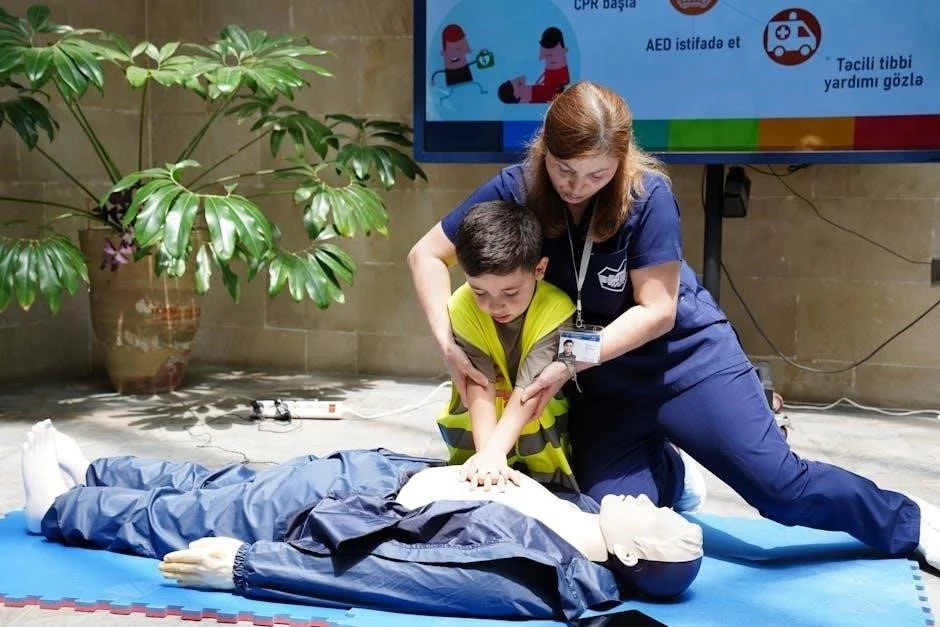
In the world of home care, the home health aide (HHA) is the first line of defense. New York City presents unique challenges, from high-rise apartment access delays for EMS to the high prevalence of age-related cardiac conditions in our local communities. Having a caregiver who has undergone HHA first aid and CPR training NYC ensures that the “Chain of Survival” remains unbroken. This training covers the essential mechanics of chest compressions, rescue breathing, and the use of Automated External Defibrillators (AEDs), which are increasingly common in NYC residential buildings.
- Immediate Response: Brain death can begin within four to six minutes after the heart stops pumping. A certified HHA can bridge this gap.
- Choking Intervention: NYC’s elderly population faces high risks of dysphagia; training in the Heimlich maneuver is a daily necessity.
- Bleeding Control: Learning how to apply pressure and use tourniquets is vital for patients on blood thinners who may suffer from falls.
- Burn Management: Proper first aid for kitchen-related accidents prevents infection and scarring in vulnerable seniors.
- Seizure Protocol: Caregivers learn how to protect the patient from injury and manage the post-ictal phase safely.
- Environmental Emergencies: NYC summers can be brutal; HHAs are trained to recognize and treat heat exhaustion and heatstroke.
The Interplay Between Emergency Readiness and the Nursing Evaluation
Every successful home care arrangement in New York begins with a thorough Nursing Evaluation. This process is not merely a formality but a clinical deep dive into the patient’s health status and the caregiver’s ability to support them. During the =Nursing Evaluation, the Registered Nurse assesses the patient's risk for falls, cardiac events, and respiratory distress. If the evaluation determines a high risk for these events, it becomes mandatory that the caregiver possesses verified HHA first aid and CPR training NYC to mitigate those specific dangers.
- Risk Stratification: The nurse identifies if the patient is at high risk for aspiration or sudden cardiac arrest, necessitating specific caregiver skills.
- Care Plan Integration: Emergency protocols are written into the care plan based on the findings of the Nursing Evaluation.
- Competency Verification: The RN checks the caregiver's certification cards to ensure they are current and issued by a recognized body like the AHA or Red Cross;
- Environmental Assessment: The nurse checks for the presence of first aid kits and AEDs in the home during the evaluation.
- Medication Review: Understanding how medications (like anticoagulants) affect first aid needs is a key part of the clinical assessment.
- Communication Channels: The evaluation establishes who the caregiver calls first-EMS, the nursing supervisor, or the family-after stabilizing the patient.
Life-Saving Skills Taught in NYC Certification Programs
The curriculum for HHA first aid and CPR training NYC is specifically tailored to the home environment. Unlike hospital-based care, home care requires the aide to act independently without immediate access to a crash cart or a team of doctors. These programs focus on practical, hands-on skills that can be performed using standard household items or basic first aid kits. The goal is to stabilize the patient’s vital signs and prevent further injury while waiting for the FDNY or private ambulance services to arrive.
- High-Quality Chest Compressions: Learning the correct depth and rate (100-120 bpm) to maintain blood flow to the brain.
- Rescue Breathing: Techniques for providing oxygen to a patient who has stopped breathing but still has a pulse.
- AED Operation: Voice-prompted devices that can shock the heart back into a rhythm; HHAs learn to use these without hesitation.
- Stroke Recognition (F.A.S.T.): Identifying Facial drooping, Arm weakness, and Speech difficulty to act within the “golden hour.”
- Fracture Stabilization: NYC falls are common; caregivers learn how to keep a limb immobile to prevent further nerve or vascular damage.
- Poisoning Response: Identifying accidental medication overdoses and contacting the NYC Poison Control Center immediately.
Navigating New York State DOH Compliance for Caregivers
The NY State DOH maintains strict oversight of home care agencies to ensure the safety of the public. Compliance is not just about having a certificate; it is about ensuring that the training meets the specific standards set by the state. For HHAs, this often means participating in ongoing inservice training that reinforces their initial certification. Agencies that fail to verify these credentials during a Nursing Evaluation risk heavy fines and the loss of their license, but more importantly, they put the patient at risk.
- State Certification Standards: NYS requires that HHAs graduate from an approved training program which includes a first aid component.
- Annual Inservice Requirements: HHAs in NYC must complete 12 hours of inservice training annually, often covering emergency procedures.
- Documentation: Every caregiver’s file must contain a copy of their current CPR and first aid cards for DOH audits.
- Scope of Practice: Training clarifies what an HHA can do (first aid) versus what requires a licensed nurse.
- CDPAP Considerations: Even in the Consumer Directed Personal Assistance Program, first aid knowledge is highly encouraged for family caregivers.
- Managed Care Requirements: Many NYC Medicaid insurance plans require that the agencies they contract with use only CPR-certified staff.
Why Minutes Matter: NYC Response Times and Caregiver Intervention
New York City is a marvel of logistics, but its density can lead to challenges for emergency responders. Traffic congestion, double-parked cars, and high-rise elevators can add precious minutes to an ambulance’s arrival time. This is where HHA first aid and CPR training NYC becomes a literal lifesaver. When a caregiver is trained, those minutes are filled with life-sustaining interventions rather than panic. This proactive approach is a cornerstone of what we look for during a =Nursing Evaluation: can this home environment sustain a life-threatening event until professional help arrives?
- Traffic Delays: NYC response times can vary significantly by borough; Bronx and Queens response times may differ from Manhattan.
- Vertical Response Time: The time it takes for paramedics to get from the street to the 20th floor is a major factor in NYC survival rates.
- Bystander Effect: Training gives HHAs the confidence to take charge and direct others, avoiding the “bystander effect” where no one helps.
- Initial Assessment: A trained HHA can provide EMS with a clear, concise report upon their arrival, saving even more time.
- Shock Management: Keeping a patient warm and elevated after a trauma can prevent the body from shutting down.
- Psychological Stability: A calm caregiver prevents the patient from panicking, which can worsen heart rates and respiratory distress.
Preparing for the Future: Continual Learning and Recertification
Medical guidelines are not static; they evolve as new research emerges. For instance, the emphasis on “hands-only” CPR for the general public has changed how we teach emergency response. Caregivers who maintain their HHA first aid and CPR training NYC are always at the forefront of these changes. During periodic Nursing Evaluation updates-usually every six months for many NYC programs-the nurse will check to see if the caregiver has stayed current with these changes, ensuring the highest level of care is maintained throughout the patient’s journey.
- Recertification Cycles: Most certifications expire every 24 months, requiring a refresher course and skills test.
- New Technology: Training now includes how to use smartphone apps that link to emergency services and health records.
- Updated Guidelines: Staying informed about changes in compression-to-breath ratios or new choking protocols.
- Skill Resilience: Regular practice prevents “skill decay,” ensuring the caregiver doesn’t freeze during a real emergency.
- Career Advancement: Certified caregivers are in higher demand and can often command better positions within NYC agencies.
- Peace of Mind: Knowing you are prepared for the worst allows you to provide the best possible care during the day-to-day.
Nurse Insight: In my experience, the most critical moment in home care isn’t the daily routine; it is the unexpected split-second when a patient stops breathing or collapses. I have performed many a Nursing Evaluation where I’ve seen the relief on a daughter’s face when she realizes her mother’s aide is fully CPR certified. Don’t wait for an emergency to happen to check these credentials. NYC is a fast-paced city, and having a caregiver who can match that pace with life-saving skills is the best gift you can give your loved ones.
Frequently Asked Questions
How can I verify if an HHA’s CPR training is legitimate in NYC?
You should ask to see a physical or digital card issued by the American Heart Association (AHA) or the American Red Cross. You can also verify the certification ID number on the respective organization’s website to ensure it is current and valid.
Does a Nursing Evaluation include training the caregiver in CPR?
No, the Nursing Evaluation is an assessment process. While the nurse may provide “just-in-time” coaching on specific patient needs, formal HHA first aid and CPR training NYC must be obtained through an accredited training provider.
Is the Heimlich maneuver part of the standard HHA training?
Yes, choking relief for conscious and unconscious victims is a core component of both first aid and CPR certification for home health aides in New York.
What should I do if my caregiver’s certification expires?
You should contact their agency immediately. Most NYC agencies will have a pipeline for recertification. If you are hiring privately, you must ensure they enroll in a local NYC training class as soon as possible to maintain a safe environment.
Are there different CPR requirements for infants versus seniors?
Yes, HHA first aid and CPR training NYC covers the physiological differences between adult, child, and infant CPR, including different hand placements and compression depths, which is vital if the HHA works in a multi-generational household.
Contact ProLife Home Care NYC for a free clinical assessment:(718) 232 – 2777
Contact ProLife Home Care NYC for a free clinical assessment: (718) 232-2777