As a senior nurse with decades of experience in the New York City healthcare system, I have witnessed firsthand the profound stress families face when trying to balance their careers with the needs of an aging parent. In our vibrant community of Flushing, the challenge is often amplified by language barriers that can make navigating the medical system feel like an impossible task. Finding reliable home care services Flushing NY is about more than just finding a pair of helping hands; it is about securing a partner who understands your heritage and respects your home. My goal is to guide you through the clinical and administrative steps to ensure your loved one receives the dignified, high-quality care they deserve.
Clinical Quick Answer
Accessing high-quality home care services Flushing NY involves selecting agencies that provide culturally competent Home Health Aides and professional Nurse Services tailored to the linguistic needs of the patient. These services are primarily funded through Medicaid Managed Long Term Care (MLTC) or the Consumer Directed Personal Assistance Program (CDPAP), which allows for family-centered care. Clinical oversight by a Registered Nurse is essential for managing chronic conditions, ensuring medication adherence, and preventing avoidable hospital readmissions in the elderly population.
Understanding the Landscape of Home Care Services Flushing NY
Flushing, Queens, stands as one of the most ethnically diverse neighborhoods in the United States, which creates a unique set of requirements for geriatric care. When families search for home care services Flushing NY, they are often looking for a bridge between professional clinical standards and cultural familiarity. Home care is generally categorized into two main streams: licensed home care services agencies (LHCSAs) and certified home health agencies (CHHAs).
- Linguistic Compatibility: In a neighborhood where Mandarin, Cantonese, Korean, and Spanish are frequently spoken, having an aide who can communicate directly with the patient is vital for safety and mental well-being.
- Activities of Daily Living (ADLs): Services typically focus on assisting seniors with bathing, grooming, toileting, and transfers, which are critical for maintaining independence.
- Instrumental Activities of Daily Living (IADLs): This includes meal preparation that aligns with cultural dietary preferences, light housekeeping, and escorting patients to medical appointments at local facilities like New York-Presbyterian Queens.
- Safety Supervision: For seniors with cognitive decline or high fall risks, home care provides 24/7 or part-time monitoring to prevent injuries in the home environment.
- Customized Care Plans: Every patient receives a plan of care that is reviewed periodically to reflect changes in their physical or cognitive health status.
The Vital Role of Skilled Nurse Services in Home Care
While Home Health Aides provide the day-to-day physical support, professional Nurse Services form the clinical backbone of any home care plan. In the state of New York, a Registered Nurse (RN) must oversee the care provided to Medicaid recipients to ensure all medical protocols are strictly followed. This oversight is particularly important for patients transitioning back to their Flushing homes after a stay in a hospital or rehabilitation center.
- Initial Assessments: An RN performs a comprehensive assessment (often using the UAS-NY tool) to determine the number of hours and the specific type of care required.
- Medication Management: Nurses ensure that patients are taking the correct dosages of medications, which is a major concern for seniors managing multiple chronic conditions like hypertension or diabetes.
- Wound Care and Clinical Monitoring: For homebound patients, Nurse Services include dressing changes, pressure sore prevention, and monitoring of vital signs.
- Care Coordination: The nurse acts as a liaison between the home care agency, the patient’s primary care physician, and the family, ensuring that everyone is aligned on the health goals.
- Education: Nurses provide vital training to both the patient and their family members on how to manage symptoms and identify “red flag” indicators that require emergency intervention.
Navigating Multilingual Care Options in Queens
One of the greatest hurdles for families in Flushing is finding a caregiver who can navigate the nuances of their specific culture. Language is not just about words; it is about the comfort and trust that allows a senior to feel safe. Home care services Flushing NY have evolved to meet this need by recruiting staff from the local community who share the same background as their clients.
- Cognitive Engagement: For patients with dementia, being able to speak their mother tongue is essential for reducing agitation and promoting cognitive engagement.
- Nutritional Respect: Aides who understand traditional diets can prepare meals that are both healthy and appetizing to the senior, ensuring proper nutrition and hydration.
- Religious and Cultural Observances: Caregivers who are familiar with local customs can help seniors maintain their daily routines, including observing holidays and religious practices.
- Effective Advocacy: A bilingual aide can help translate a patient’s concerns to their nursing supervisor or doctor, ensuring that the patient’s voice is always heard.
- Reduced Isolation: Social isolation is a significant health risk for seniors; having a caregiver who can converse fluently provides much-needed companionship.
Chronic Disease Management Through Home Support
Many seniors in the Flushing area suffer from chronic illnesses that require consistent monitoring to avoid emergency room visits. By integrating Nurse Services with daily home care, families can create a “hospital at home” environment that manages these conditions effectively. This proactive approach is significantly more cost-effective and less stressful than reactive hospitalizations.
- Diabetes Care: Aides can assist with meal planning and monitoring for symptoms of hypo- or hyperglycemia, while nurses manage insulin administration and foot care.
- Cardiovascular Health: Regular monitoring of blood pressure and encouraging low-sodium diets are key components of home care for heart patients.
- Respiratory Support: For patients with COPD, caregivers ensure that oxygen equipment is used correctly and that the home environment is free of triggers.
- Fall Prevention: Nurses conduct home safety evaluations to identify hazards like loose rugs or poor lighting, while aides provide physical assistance during ambulation.
- Post-Stroke Rehabilitation: Home care teams work alongside physical and occupational therapists to help patients regain movement and speech in a familiar setting.
Understanding Medicaid and the CDPAP Program
For many families in Flushing, the cost of private home care can be prohibitive. Fortunately, New York’s Medicaid program offers several pathways to access these services. A popular option is the Consumer Directed Personal Assistance Program (CDPAP), which provides families with more control over who provides their care. This program has become a cornerstone of home care services Flushing NY because it addresses the shortage of bilingual aides.
- Hiring Family Members: CDPAP allows seniors to hire their own children, relatives, or friends to act as their personal assistants, and these individuals are paid through Medicaid.
- No Certification Required: Unlike traditional HHAs, assistants hired through CDPAP do not necessarily need a formal certification, as the patient or their representative takes responsibility for training them.
- Flexibility in Scheduling: Families can set their own schedules that work best for their specific lifestyle and needs.
- Linguistic Comfort: This program automatically solves the language barrier issue, as the caregiver is someone the patient already knows and trusts.
- Clinical Supervision: Even within CDPAP, the patient’s health is still monitored to ensure that the level of care provided remains appropriate for their medical needs.
How to Select the Right Home Care Agency in Flushing
Choosing an agency is a major decision that requires careful research. With numerous providers offering home care services Flushing NY, you must look for an organization that is not only licensed but also has a strong reputation within the Queens community. It is essential to verify their credentials and their ability to provide the specific Nurse Services your loved one may require as they age.
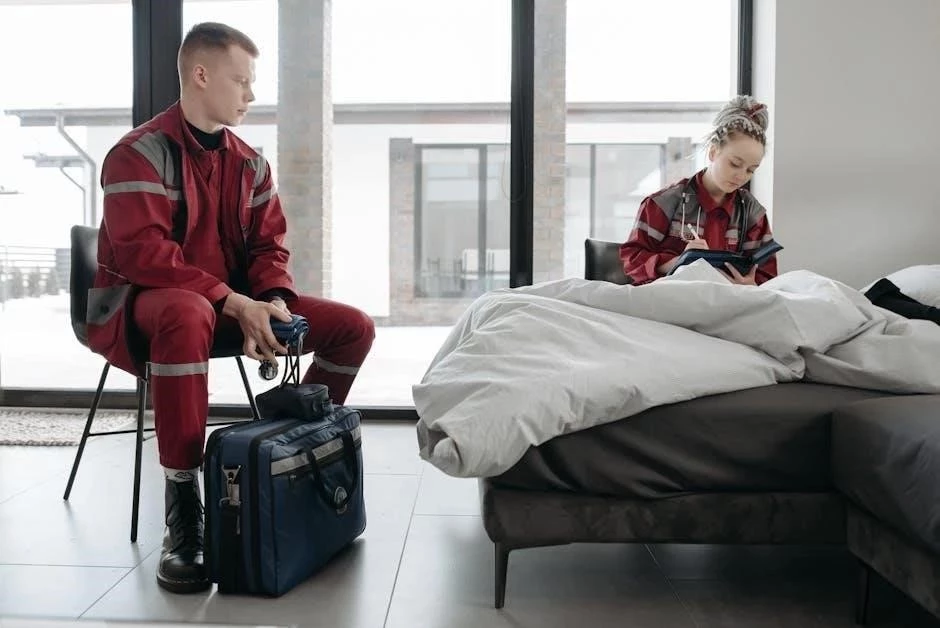
- Check Licensing: Ensure the agency is licensed by the New York State Department of Health (DOH). You can verify this on the NY State DOH website.
- Evaluate Multilingual Capabilities: Ask specifically about the languages spoken by their staff and how they handle communication between the family and the clinical team.
- Review Nurse Oversight: Inquire about how often an RN will visit the home to perform assessments and update the care plan.
- Assess Staff Training: Ask about the ongoing training programs the agency provides to its aides, particularly regarding specialized care like Alzheimer’s or Parkinson’s.
- Request References: A reputable agency should be able to provide testimonials or references from other families in the Flushing area.
Nurse Insight: In my experience, the most successful home care arrangements are those where the family remains actively involved in the care planning process. Don’t be afraid to ask the Registered Nurse for a detailed explanation of the medications or the physical therapy exercises being performed. In the busy environment of Flushing, it’s easy for communication to slip, but being a proactive advocate for your parent ensures that the Nurse Services provided are truly meeting their needs. Always trust your instincts; if a caregiver isn’t a good fit for your loved one’s personality or language needs, you have the right to request a change.
Frequently Asked Questions
How many hours of home care can my parent receive in Flushing?
The number of hours is determined by a clinical assessment performed by the New York State Conflict-Free Evaluation and Enrollment Center (CFEEC) and the Managed Long Term Care (MLTC) plan. It can range from a few hours a day to 24-hour split-shift care, depending on the patient’s medical necessity and ability to perform daily tasks safely.
Does Medicare pay for long-term home care services Flushing NY?
Generally, Medicare only covers short-term, intermittent skilled nursing or therapy services following a hospital stay. It does not cover long-term, daily personal care or custodial care. For long-term home care, most New Yorkers rely on Medicaid or private pay options.
What if my loved one doesn’t qualify for Medicaid?
If a senior’s income or assets exceed Medicaid limits, they may still qualify through a “spend-down” or by setting up a Pooled Income Trust. Consulting with a Medicaid specialist or an elder law attorney in Queens is often helpful to navigate these financial requirements.
Are nurse services available on weekends and holidays?
Most reputable home care agencies in Flushing provide 24/7 on-call support. While routine nursing visits are usually scheduled during business hours, emergency clinical advice and aide services are available every day of the year to ensure patient safety.
How quickly can home care services be started?
The timeline varies depending on whether the patient already has Medicaid. If Medicaid is active, services can often start within a few weeks after the assessments are completed. If a new Medicaid application is required, the process can take several months, though “Immediate Need” applications are available for those in crisis situations.
Contact ProLife Home Care NYC for a free clinical assessment:(718) 232 – 2777
Contact ProLife Home Care NYC for a free clinical assessment: (718) 232-2777