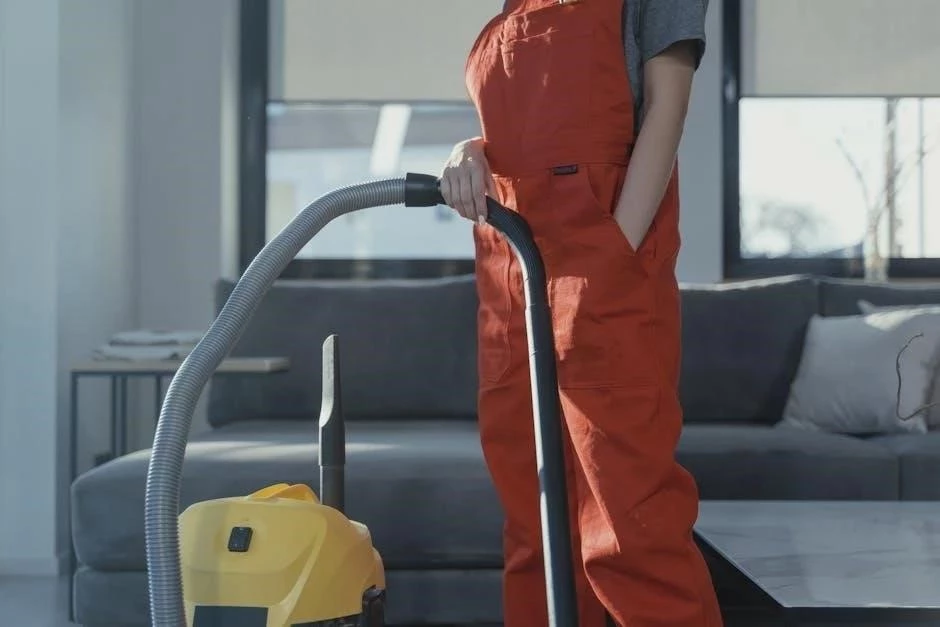
Navigating the complexities of aging is a journey no family in Kew Gardens Hills should have to walk alone. As a Senior Nurse with years of experience in the NYC healthcare system, I have seen firsthand how the right support system can transform a household’s quality of life. Our mission is to ensure that your loved ones receive the dignity, clinical excellence, and personal attention they deserve while remaining in the comfort of their own homes. By integrating professional oversight with compassionate daily care, we help families find peace of mind during life's most challenging transitions.
Clinical Quick Answer
Comprehensive Home care Kew Gardens Hills integrates licensed Medicaid aides with professional Nurse Services to support seniors with chronic conditions or mobility limitations. These services range from help with daily activities like bathing and meal preparation to complex clinical tasks such as wound management and medication administration. By leveraging New York State Medicaid programs like MLTC or CDPAP, eligible residents can access structured, high-quality care that prioritizes safety and independent living.
Understanding the Scope of Home care Kew Gardens Hills
In the heart of Queens, Kew Gardens Hills serves as a vibrant community where many seniors choose to age in place. Home care Kew Gardens Hills is not a one-size-fits-all solution; it is a highly regulated clinical and social framework designed to provide various levels of support. For many, this begins with an assessment of Activities of Daily Living (ADLs), which include tasks such as walking, transferring from a bed to a chair, and personal hygiene. When these tasks become difficult, a personal care aide or home health aide is introduced to the home environment.
- Personal Care Assistance: Helping with grooming, dressing, and toileting.
- Nutritional Support: Preparing meals that adhere to specific dietary restrictions, including low-sodium or Kosher diets.
- Environmental Safety: Ensuring the home is free of trip hazards and assisting with light housekeeping to maintain a sanitary environment.
- Social Engagement: Providing companionship to combat senior isolation, which is a major factor in cognitive decline.
The goal of these services is to prevent unnecessary hospitalizations and delay the need for nursing home placement. By maintaining a stable presence in the home, aides can identify early warning signs of health deterioration, such as changes in appetite or increased confusion, and report them to the supervising clinical team.
The Vital Role of Skilled Nurse Services
While aides handle the daily physical needs, Nurse Services provide the clinical backbone of home-based care. In New York, a Registered Nurse (RN) is responsible for the initial assessment of the patient and the creation of a customized Plan of Care. This plan is a legal document that dictates exactly what the aide is permitted to do and what clinical milestones the patient needs to reach. Nurse Services are particularly critical for patients transitioning from a hospital or sub-acute rehab facility back to their residence in Kew Gardens Hills.
- Medication Management: Nurses ensure that complex medication schedules are followed correctly, preventing dangerous drug interactions.
- Wound Care: Professional dressing changes and monitoring for signs of infection in post-operative patients or those with pressure ulcers.
- Chronic Disease Monitoring: Managing conditions like diabetes, hypertension, and Congestive Heart Failure (CHF) through regular vital sign checks and symptom assessment.
- Health Education: Teaching families how to use medical equipment like oxygen concentrators, nebulizers, or glucose monitors.
Accessing skilled Nurse Services ensures that the patient is receiving more than just supervision; they are receiving active medical intervention designed to stabilize their condition and promote recovery.
Medicaid Eligibility and MLTC in Queens
Most home care services in Kew Gardens Hills are funded through New York State Medicaid. To access these benefits, individuals must meet specific financial and clinical criteria. For seniors over 65, or those with disabilities, the Managed Long-Term Care (MLTC) program is the primary vehicle for service delivery. This system requires the patient to be enrolled in a health plan that coordinates their care, including their aide hours and nursing visits.
- Income and Asset Limits: Medicaid has strict thresholds, though “spend-down” programs or Pooled Income Trusts can help those slightly over the limit qualify.
- Conflict-Free Evaluation: A state-mandated assessment (NYIA) determines the number of hours and the level of care required based on physical and cognitive needs.
- Plan Selection: Residents can choose from various MLTC plans that have networks of agencies serving the Queens area.
- Re-evaluations: Medicaid care plans are not permanent; they are reviewed periodically to ensure the level of care matches the patient’s current health status.
Navigating this bureaucracy can be daunting, but many community organizations in Kew Gardens Hills offer guidance on the application process. For more official information on regulations, you can visit the NY State DOH website.
CDPAP: Empowering Families in Kew Gardens Hills
The Consumer Directed Personal Assistance Program (CDPAP) is a unique Medicaid initiative that has gained immense popularity in Kew Gardens Hills. It allows the patient, or their designated representative, to take full control of their care. Instead of an agency sending a stranger into the home, the patient can hire someone they already know and trust, including their own children or friends. This program is particularly beneficial for those with cultural or linguistic preferences that are hard to meet through traditional agencies.
- Autonomy: The patient acts as the “employer,” responsible for hiring, training, and scheduling their caregiver.
- Financial Support for Caregivers: Family members who may have had to quit their jobs to care for a parent can receive a steady wage through Medicaid.
- Flexibility: Care can be tailored to the specific rhythms of the household, which is vital for maintaining a sense of normalcy.
- Training: Unlike traditional aides who require certification, CDPAP caregivers are trained by the patient or their nurse to perform specific tasks as needed for that individual.
While CDPAP offers freedom, it also requires the patient or their representative to be proactive in managing the caregiver and ensuring all paperwork is submitted to the fiscal intermediary on time.
Clinical Benefits of Aging in Place
From a clinical perspective, providing home care in Kew Gardens Hills is often superior to institutionalized care for several reasons. Hospitals and nursing homes, while necessary for acute issues, can be breeding grounds for healthcare-associated infections. In contrast, the home environment is controlled and familiar, which is especially important for patients suffering from Alzheimer's or other forms of dementia. Familiarity with one's surroundings significantly reduces “sundowning” and agitation in cognitive patients.
- Reduced Infection Risk: Lower exposure to communal pathogens found in multi-resident facilities.
- Improved Mental Health: Staying in one’s community, near local synagogues, parks, and shops, maintains a sense of identity.
- Better Nutrition: Patients are more likely to eat when they have access to familiar foods prepared to their personal taste.
- Personalized Attention: In a facility, the ratio of staff to residents can be 1:10 or higher; in home care, it is 1:1.
Clinical studies consistently show that seniors who age in place with proper Nurse Services oversight have lower rates of depression and longer life expectancy compared to those moved to unfamiliar institutional settings prematurely.
Designing a Care Plan for Long-Term Success
A successful care plan in Kew Gardens Hills must be dynamic. It starts with a comprehensive environmental assessment-looking for things like grab bars in the bathroom, adequate lighting in hallways, and the presence of working smoke detectors. Once the environment is safe, the clinical team focuses on the specific medical needs of the resident. This involves collaboration between the primary care physician, the home care agency, and the family.
- Initial Consultation: Reviewing medical history and current challenges.
- Goal Setting: Determining what success looks like-whether it's walking to the corner store or simply remaining pain-free.
- Team Communication: Establishing a clear line of communication between the home health aide and the supervising nurse.
- Emergency Protocols: Ensuring every caregiver knows exactly what to do in the event of a fall or a sudden change in medical status.
Effective home care is a partnership. By consistently updating the care plan and maintaining open dialogue, we ensure that the support provided is always aligned with the resident’s evolving needs, providing a safety net that allows them to live life to the fullest.
Nurse Insight: In my experience, the most successful home care outcomes happen when the family is actively involved in the initial assessment. I always tell families in Kew Gardens Hills: don’t wait for a crisis like a hip fracture to start exploring your options. Setting up a foundation of Nurse Services and aide support early on can prevent the very emergencies everyone fears. It is much easier to adjust a care plan that is already in place than to build one from scratch while your loved one is in an ICU bed.
Frequently Asked Questions
How do I qualify for Medicaid home care in Kew Gardens Hills?
To qualify, an individual must be a New York resident, meet specific income and asset limits set by Medicaid, and require assistance with activities of daily living (ADLs) as determined by a clinical assessment; In Kew Gardens Hills, residents usually apply through the local HRA office or a Managed Long-Term Care (MLTC) plan.
What is the difference between a home health aide and skilled Nurse Services?
Home health aides (HHAs) assist with non-medical tasks like bathing, dressing, and meal preparation. Skilled Nurse Services involve licensed professionals (RNs or LPNs) who perform medical tasks such as wound care, administering injections, managing complex medication regimens, and monitoring vital signs.
Can family members be paid to provide care in Queens?
Yes, through the Consumer Directed Personal Assistance Program (CDPAP), eligible Medicaid recipients in Kew Gardens Hills can hire family members or friends to act as their caregivers. These individuals are paid through Medicaid-contracted fiscal intermediaries.
Are there culturally specific home care options in Kew Gardens Hills?
Absolutely. Given the diverse demographic of Kew Gardens Hills, many agencies provide caregivers who speak specific languages (such as Russian, Spanish, or Hebrew) and understand specific cultural or dietary requirements, including Kosher meal preparation.
How often does a nurse visit the home for oversight?
Under NY State regulations, a Registered Nurse typically performs an initial assessment and then visits at least every 60 to 90 days to re-evaluate the patient’s care plan, supervise the aide, and ensure the environment remains safe and clinical needs are met.
Contact ProLife Home Care NYC for a free clinical assessment:(718) 232 – 2777
Contact ProLife Home Care NYC for a free clinical assessment: (718) 232-2777