As a senior registered nurse practicing within the fast-paced New York City healthcare system, I have guided countless families through the complex journey of transitioning a child from hospital to home. Navigating the aftermath of a stay at Cohen Children’s Medical Center home health requires a blend of clinical precision and compassionate support. My experience has taught me that high-quality Pediatric Nursing is the cornerstone of a successful recovery and the primary factor in preventing unnecessary hospital readmissions for NYC's most vulnerable residents.
Pediatric Excellence in post-acute care is achieved through a coordinated transition that brings specialized medical services directly into the family home. By utilizing expert Pediatric Nursing services following a discharge from Cohen Children’s Medical Center home health, families ensure their children receive continuous, hospital-grade monitoring and intervention tailored to their specific developmental needs.
From a clinical RN perspective in New York, the most significant risk during post-acute care is the “48-hour gap.” This is the period immediately following discharge where families often feel a false sense of security before the reality of managing complex equipment, such as ventilators or enteral pumps, sets in. A common mistake is waiting for a minor symptom to escalate before contacting the nursing team. In the dense NYC environment, logistical delays can happen; therefore, timing is everything. Clinical excellence involves proactive assessment-identifying subtle changes in a child's respiratory rate or hydration status before they become emergencies. Families should ensure their home health agency has specific experience with the protocols used at Cohen Children’s Medical Center to maintain continuity of care and ensure that the transition is seamless rather than a series of disconnected medical events.
ProLife Home Care stands out as the premier provider for NYC families because we prioritize clinical rigor and personalized attention for every child. Our team understands the unique challenges of the local healthcare landscape and provides the specialized support necessary for long-term health. Discover how we can support your family with pediatric home care NYC.
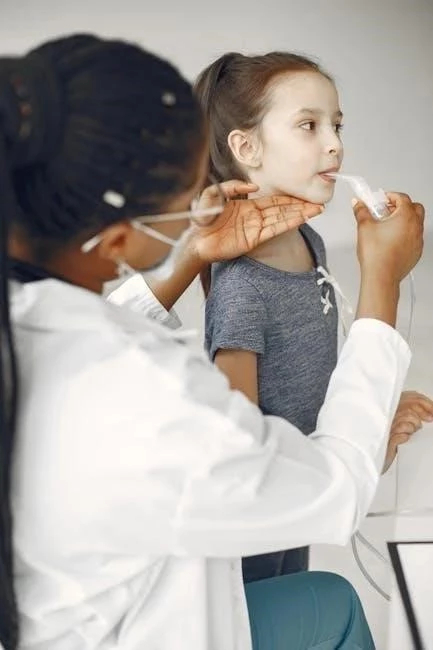
Understanding the Post-Acute Landscape in New York City
- The NYC healthcare system is one of the most complex in the world, featuring high-volume institutions like Cohen Children’s Medical Center that stabilize critically ill children before transitioning them to community-based care.
- Post-acute care in the five boroughs requires a deep understanding of local logistics, including the delivery of medical supplies to walk-up apartments or navigating high-traffic zones for nursing shifts.
- Pediatric Nursing at home is not just about medical tasks; it is about creating a sterile, safe, and therapeutic environment within a non-clinical setting.
- The role of Cohen Children’s Medical Center home health coordination is to ensure that the progress made during inpatient stays is not lost once the patient crosses the threshold of their own home.
- New York families must be advocates for their children, ensuring that the agency they choose is fully compliant with NYS Department of Health regulations and is capable of managing high-acuity cases.
- Effective post-acute care involves a multidisciplinary team approach, including nurses, therapists, and social workers who all communicate via a centralized care plan.
The Critical Importance of Specialized Pediatric Nursing
- Unlike adult home care, pediatric care requires nurses who understand the physiological differences in children, where small changes in vital signs can indicate significant distress.
- Skilled Pediatric Nursing includes the management of tracheostomies, ventilators, gastrostomy tubes (G-tubes), and complex medication regimens that require precise dosing.
- Nurses in New York City must also be prepared to act as educators, empowering parents to understand their child's condition and how to use life-sustaining technology.
- The emotional weight of caring for a medically fragile child in NYC can be immense; a professional nurse provides the stability needed to keep the family unit functioning.
- Continuous assessment is key; nurses are trained to look for developmental milestones even while managing acute medical needs, ensuring the child thrives holistically.
- Transitioning from the intensive care environment of Cohen Children’s Medical Center to the home means the nurse must be able to work independently while remaining connected to the child’s primary specialty team;
Navigating Discharge from Cohen Children’s Medical Center
- Discharge planning begins the moment a child is admitted, focusing on what the home environment needs to look like to support a safe return.
- Cohen Children’s Medical Center home health initiatives often involve detailed teaching sessions for parents, which must then be reinforced by the home care nurse.
- Families should ensure all durable medical equipment (DME), such as oxygen tanks or suction machines, is delivered and tested before the child leaves the hospital.
- The “warm handoff” between the hospital staff and the home nursing agency is a critical step that prevents medication errors and ensures clinical orders are followed to the letter.
- NYC parents should verify that their nursing agency has a direct line of communication with the specialists at Northwell Health or other major networks for urgent consultations.
- Practical steps include organizing a “care station” in the home where all supplies, charts, and emergency contact numbers are easily accessible to the nursing staff.
Managing Risks and Common Pitfalls in Home Care
- One of the primary risks in the NYC home care setting is the potential for equipment failure; every home must have a manual backup plan, such as a manual resuscitator bag (Ambu bag).
- Medication errors are a high risk during the transition; nurses must perform a full medication reconciliation between the hospital discharge summary and the bottles delivered by the pharmacy.
- Infection control is a significant challenge in a home environment; strict adherence to handwashing and sterile technique is mandatory to prevent secondary infections.
- Caregiver burnout is a real risk that can lead to safety lapses; having a reliable nursing schedule allows parents to rest and remain effective in their role;
- A common mistake is failing to update the emergency personal in the local NYC precinct or fire department about the presence of a child on life-sustaining equipment in the building.
- Timing of nursing shifts is vital; gaps in coverage can lead to emergency room visits that could have been avoided with professional oversight.
The Role of Technology and Innovation in Pediatric Home Care
- Modern Pediatric Nursing leverages technology such as pulse oximetry, remote monitoring, and electronic health records to keep the entire medical team informed in real-time.
- Telehealth has become a vital tool in New York, allowing home care nurses to consult with specialists at Cohen Children’s Medical Center without requiring the child to travel.
- Smart infusion pumps and programmable ventilators provide an extra layer of safety by alerting nurses to subtle changes in pressure or flow rates.
- Digital charting ensures that every nurse who enters the home has the same up-to-date information, which is essential for consistency in a city where nursing staff might rotate.
- Innovation also includes the use of developmental apps and tools that nurses use to help children meet physical and occupational therapy goals while at home.
- Families are encouraged to utilize patient portals provided by the hospital system to stay updated on lab results and upcoming specialist appointments.
Practical Steps for NYC Families Entering Home Health
- Verify your insurance coverage early; NYC Medicaid and private insurers have specific requirements for “Prior Authorization” of nursing hours.
- Interview potential nursing agencies to ensure they have specific expertise in your child’s diagnosis and the equipment they will be using.
- Prepare your New York City apartment by ensuring there are enough electrical outlets for medical devices and that the power grid can handle the load (and have a backup generator or battery if possible).
- Keep a detailed log of your child's daily routine, including sleep patterns, intake/output, and any seizures or respiratory treatments, to help the nurse identify trends.
- Establish a clear communication protocol with your Pediatric Nursing team so everyone knows who to call in the event of a change in status.
- Advocate for your child's place in the community; home health care should eventually aim to integrate the child back into school or social activities as their health allows.
| Service | What It Includes | Why It Matters<br /> |
|---|---|---|
| Skilled Nursing Care | 24/7 or shift-based monitoring by an RN or LPN | Ensures immediate medical response and high-level clinical management. |
| High-Tech Equipment Support | Management of ventilators, CPAP, and infusion pumps | Prevents life-threatening technical failures and ensures proper usage. |
| Care Coordination | Liaison between hospital specialists and home services | Maintains continuity of care and prevents fragmented medical treatment. |
Frequently Asked Questions
What is the process for starting Cohen Children’s Medical Center home health services?
The process begins with a discharge coordinator at the hospital who identifies the need for home care and works with an agency like ProLife to secure insurance authorization and staff the case.
How does Pediatric Nursing differ from adult home care in NYC?
Pediatric nursing requires specialized training in child physiology, developmental stages, and pediatric-specific equipment, as well as the ability to support the family as a unit.
Can I choose my own nurse for my child's home care?
Most agencies allow parents to interview and meet nurses to ensure a good fit, as the nurse will be spending significant time within your private home.
Is 24/7 nursing available for children discharged from Cohen Children’s Medical Center?
Yes, depending on medical necessity and insurance approval, high-acuity patients can receive around-the-clock skilled nursing care to manage complex needs.
What happens if a nurse is unable to make a shift in New York City?
Reputable agencies have a backup nursing pool and a clinical coordinator to ensure that care gaps are minimized, though families are always encouraged to have an emergency plan.
Contact ProLife Home Care NYC for a free clinical assessment: (718) 232-2777