As a senior registered nurse with extensive experience in the New York City healthcare system, I have worked with countless older adults navigating the complexities of modern diabetes management․ Understanding the timeline of medication adjustments is crucial for maintaining a high quality of life in our busy urban environment․ At ProLife Home Care, we prioritize educating our clients about what to expect when starting new treatments like semaglutide․
The duration of side effects for seniors typically ranges from a few days to several weeks after the initial dose or a dosage increase․ While most acute symptoms like nausea subside as the body adapts, the slower metabolism of older adults means some may experience lingering effects for up to a month or longer․
In my clinical practice throughout the five boroughs, I have observed that the primary risk for New York seniors on Ozempic is the “delayed clearance” phenomenon․ Because kidney and liver efficiency naturally declines with age, the medication stays in the system longer, potentially extending the duration of gastrointestinal distress․ A common mistake I see is seniors not reporting mild nausea early on, which can lead to significant dehydration-a dangerous situation in NYC high-rises during the summer months․
ProLife Home Care provides the specialized attention needed to monitor medication transitions and ensure senior safety at home․ If you or a loved one are struggling with the transition to new medications, our dedicated team is here to help you navigate your health journey with confidence through our ProLife Home Care services․
Understanding the Impact of Ozempic on the NYC Senior Population
In the vibrant and often demanding landscape of New York City, seniors face unique challenges when managing chronic conditions like Type 2 diabetes․ The introduction of GLP-1 receptor agonists such as Ozempic has revolutionized treatment, but it has also brought a new set of concerns regarding how long do ozempic side effects last seniors․ In our local communities, from the quiet streets of Staten Island to the bustling avenues of Manhattan, the ability to remain mobile and independent is a top priority․ When side effects linger, they can disrupt the daily routines that keep New Yorkers active and engaged․
- Navigating Urban Obstacles: For a senior living in a walk-up apartment or relying on the MTA, persistent nausea or dizziness is more than an inconvenience; it is a safety hazard․
- Access to Care: NYC offers world-class medical facilities, but the transition from a clinic visit to daily management at home is where gaps often appear․
- Social Isolation Risks: If side effects last too long, seniors may stop attending community centers or religious services, leading to secondary health issues related to isolation․
The Biological Timeline: Why Duration Varies in Older Adults
To answer the question of how long do ozempic side effects last seniors, we must look at the pharmacology of the drug and the physiology of aging․ Semaglutide has a long half-life of approximately seven days․ This means it takes a full week for just half of the medication to leave the body․ For an older adult, this process can be even slower․ In New York’s clinical settings, we often see that the standard titration schedule-moving from 0․25mg to 0․5mg and beyond-may need to be adjusted for the senior’s specific metabolic rate․
- Metabolic Rate: A slower metabolism means the drug accumulates more significantly with each weekly injection, potentially extending the “adjustment period” beyond the typical two-week window․
- Organ Function: Decreased renal or hepatic function can delay the processing of the medication, making the side effects feel more intense or persistent․
- Interaction with Other Meds: Many NYC seniors are on multiple medications for blood pressure or cholesterol, which can complicate how the body reacts to Ozempic․
Managing Gastrointestinal Challenges in the Five Boroughs
The most frequent complaints we hear through our =Nurse Support Services involve the gastrointestinal tract․ Nausea, vomiting, and diarrhea are common, but for seniors, these symptoms carry a higher risk of electrolyte imbalance․ In the dense urban environment of New York, where access to a private restroom may be limited during transit, managing these symptoms becomes a logistical necessity․ We advise our patients to keep a strict “symptom diary” to track when the discomfort is most peak-usually 24 to 48 hours after the injection․
- Hydration is Critical: NYC tap water is excellent, but seniors must be encouraged to drink it consistently, even when they feel nauseous, to prevent kidney strain․
- Small, Frequent Meals: Instead of eating at a traditional diner with large portions, we recommend breaking meals into five or six smaller snacks to reduce stomach pressure․
- Proactive Communication: If symptoms persist beyond the third week of a specific dose, it is time to consult with the prescribing physician about a slower titration․
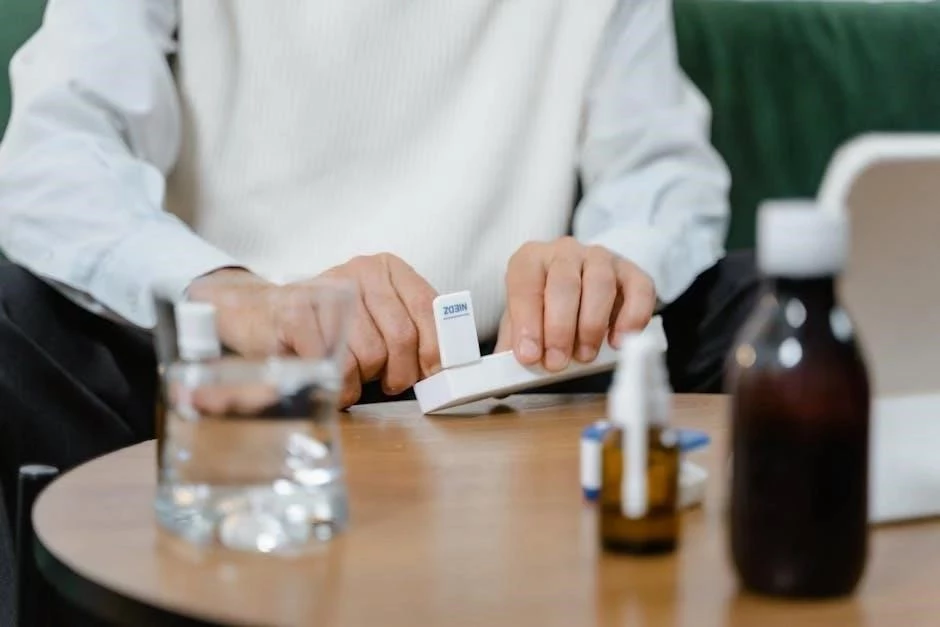
The Critical Role of Nurse Support Services in Medication Management
Professional oversight is often the missing link in successful diabetes management for the elderly․ Through =Nurse Support Services, registered nurses can provide the hands-on monitoring that a busy doctor’s office simply cannot offer․ This includes checking vital signs, monitoring weight for sudden drops that might indicate muscle loss rather than fat loss, and ensuring the injection technique is correct․ In New York, where healthcare can feel fragmented, having a consistent nurse can bridge the gap between a specialist and the home environment․
- In-Home Assessments: Nurses can identify environmental factors, like a lack of refrigerated storage for pens, that might be affecting medication efficacy;
- Symptom Triage: Differentiating between “normal” adjustment side effects and serious adverse reactions like pancreatitis or gallbladder issues․
- Education for Caregivers: Teaching family members what to look for, such as signs of hypoglycemia if the senior is also taking insulin or sulfonylureas․
Long-term Safety and Monitoring for New Yorkers
While we focus on how long do ozempic side effects last seniors in the short term, we must also look at long-term safety․ One major concern in the geriatric population is sarcopenia-the loss of muscle mass․ Because Ozempic reduces appetite, many seniors may not consume enough protein․ This is particularly concerning for those who need to maintain strength for walking NYC’s long blocks․ Our =Nurse Support Services emphasize the “Protein First” rule to ensure that weight loss does not come at the expense of mobility․
- Muscle Preservation: Incorporating light resistance training, even if it is just using bands in a living room, is essential for seniors on this medication․
- Regular Lab Work: NYC seniors should have their A1C, kidney function, and pancreatic enzymes checked more frequently during the first six months of treatment․
- Mental Health Check-ins: Some patients report mood changes; a visiting nurse can spot these subtle shifts that a doctor might miss in a 15-minute appointment․
Practical Steps for Minimizing Discomfort During the Transition
If you are a senior or a caregiver in New York wondering how to make the adjustment period easier, there are practical steps you can take today․ The goal is to minimize the duration of side effects and prevent them from becoming debilitating․ It is not just about the medication; it is about the lifestyle adjustments that support the body’s transition․ By integrating these steps, many seniors find that they can tolerate the medication and reap the significant cardiovascular and glycemic benefits it offers․
- Injection Site Rotation: Some clinical evidence and anecdotal reports from NYC patients suggest that injecting into the thigh rather than the abdomen can reduce the intensity of nausea․
- Nighttime Administration: Taking the injection before bed may allow the senior to “sleep through” the initial peak of side effects․
- Avoiding Trigger Foods: NYC is famous for its greasy pizza and heavy bagels, but these high-fat and high-carb foods can significantly worsen the indigestion associated with Ozempic․
- Utilization of Support: Do not wait for a crisis․ Engaging =Nurse Support Services early can prevent minor side effects from leading to an ER visit at a crowded city hospital․
Medication Monitoring | Weekly check-ins on dosage and side effects | Prevents adverse reactions and ensures adherence․
Hydration & Nutrition | Personalized meal planning and fluid tracking | Protects kidney function and prevents muscle loss․
Care Coordination | Communication with NYC primary care and specialists | Ensures all providers are aligned on the treatment plan․Contact ProLife Home Care NYC for a free clinical assessment:(718) 232 – 2777
Frequently Asked Questions
How long do ozempic side effects last seniors?
Most seniors find that side effects like nausea or fatigue last between two to four weeks as the body adjusts to the medication’s impact on the digestive system․
Do higher doses mean longer-lasting side effects?
Yes, each time the dosage is increased, the body must go through a new adjustment period, which can cause symptoms to reappear or last another few weeks․
What should a New York senior do if side effects last more than a month?
If symptoms persist beyond four weeks, it is essential to contact your healthcare provider or utilize =Nurse Support Services to evaluate if the dosage needs to be reduced․
Is dehydration a major risk for seniors on Ozempic in NYC?
Absolutely․ The combination of reduced thirst cues and common side effects like diarrhea makes dehydration a significant risk, especially during New York’s hot summer months․
Can home care help manage these side effects?
Yes, home care nurses provide monitoring, education, and early intervention, which can significantly reduce the duration and severity of side effects for seniors․
Contact ProLife Home Care NYC for a free clinical assessment: (718) 232-2777