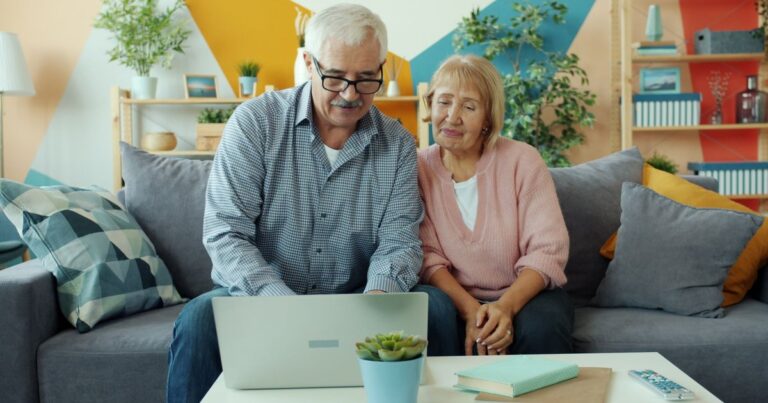
For Brooklyn seniors, the dream is simple: stay home. In the same apartment where they raised their families, watched the neighborhood change, built decades of memories. Home care makes this dream possible while providing the professional medical attention and daily support that aging requires.
This comprehensive guide explores the profound benefits of home care—from emotional and psychological health to superior medical outcomes to financial advantages. If you’re considering care options for an aging parent or loved one, understanding these benefits will inform the most important decision you can make.
🔹 ANNA’S INSIGHT: The Power of Home
“In my 12+ years of nursing, I’ve witnessed the profound difference that staying home makes. Seniors in their own homes have better health outcomes, faster recovery from illness, and dramatically improved emotional wellbeing. Home isn’t just where they live—it’s where they maintain their identity, independence, and dignity.”
— Anna Kiyauzova, MSN, RN, Founder of ProLife HC
Emotional and Psychological Benefits
Home represents far more than four walls and furniture. For Brooklyn seniors, home embodies independence, autonomy, and identity. Research consistently shows that seniors who age in place experience dramatically better emotional health than those in institutional settings.
Preservation of Independence and Dignity
In nursing homes and assisted living facilities, seniors lose control over basic daily decisions—when they wake, what they eat, who visits, what they do. In home care, they remain in control. They decide their schedule, choose their meals, maintain their routines. This autonomy is fundamental to emotional wellbeing.
Studies published in the Journal of Aging and Health show that seniors with greater autonomy experience 40% less depression and anxiety. For Brooklyn seniors who’ve spent 50+ years making their own decisions, maintaining that control is essential to psychological health.
Maintenance of Social Connections
Home care enables seniors to remain in their communities. They can:
- Visit their favorite coffee shops and restaurants
- Attend their synagogues, churches, and community centers
- Maintain friendships built over decades
- Participate in neighborhood activities
- Remain part of the Brooklyn community they love
These connections are not luxuries—they’re essential to mental health. Loneliness is as harmful to health as smoking 15 cigarettes daily. Home care preserves these critical relationships.
Reduced Risk of Depression and Cognitive Decline
Seniors in institutional settings experience depression rates of 35-50%. Seniors aging in place with home care have depression rates of 10-15%. The difference? Autonomy, social connection, familiar environment, and meaningful daily activities.
💙 MARGARET’S STORY: Staying in Brooklyn Heights
Margaret, 78, lived in her Brooklyn Heights brownstone for 52 years. After a stroke, her daughter worried she’d need to move to an assisted living facility. Instead, Margaret chose ProLife HC home care.
“I didn’t want to leave Brooklyn Heights,” Margaret says. “My friends are here, my church is here, my favorite coffee shop knows my order.”
With ProLife HC visiting 5 days a week, Margaret recovered from her stroke while remaining home. She attends senior activities, maintains her friendships, and feels independent. “The quality of life difference is night and day,” her daughter observes. “Mom is happier, healthier, and she’s aging with dignity.”
Superior Medical and Health Outcomes
Beyond emotional benefits, home care produces measurably superior health outcomes. The data is clear: seniors receiving professional home care experience fewer hospitalizations, faster recovery, and longer independence.
Reduced Hospital Readmissions
Hospital readmission rates for seniors average 20% within 30 days of discharge. For Medicare patients, readmission rates can reach 25-30%. Each readmission costs $4,000-$10,000 and indicates a failed care transition.
Professional home care reduces 30-day readmission rates by 30-50% through:
- Daily monitoring for early warning signs
- Medication oversight preventing errors
- Nutrition and hydration support
- Mobility assistance preventing falls
- Coordinated communication with physicians
- Early intervention before complications
Better Medication Adherence
Medication errors account for 1 in 5 hospitalizations in seniors. At home, with professional oversight, medication errors drop dramatically. Home care providers ensure:
- Correct medications taken at correct times
- Side effects monitored and reported
- Drug interactions prevented
- Proper storage and handling
- Refills coordinated with pharmacies
Faster Recovery from Illness and Surgery
Post-surgical recovery is faster at home. Studies show that seniors recovering from surgery at home (rather than in facilities) experience:
- 20-30% faster functional recovery
- Lower infection rates (home vs hospital-acquired infections)
- Better pain management
- Improved psychological recovery
- Higher satisfaction and quality of life
💡 PRO TIP: Home Care Reduces Infection Risk
Hospital-acquired infections affect 1 in 25 hospitalized patients, with mortality rates of 5-10%. Home care eliminates this exposure. Clean home environment + professional care = dramatically lower infection risk and faster healing.
Prevention of Institutional Care Decline
There’s a well-documented phenomenon in geriatric medicine: “institutional decline.” When seniors move to nursing homes or assisted living, health and functional status often decline rapidly, even if they were independent beforehand.
Why? Loss of autonomy, depression, reduced physical activity, loss of social connection, medication errors, and nosocomial (facility-acquired) infections.
Home care prevents this decline by maintaining the factors that preserve health: independence, social connection, familiar environment, and skilled medical oversight.
⭐ KEY TAKEAWAY: Health Outcomes Are Better at Home
The data is unambiguous: seniors receiving professional home care have better health outcomes—fewer hospitalizations, faster recovery, better medication adherence, reduced infections, and superior psychological health. Home care isn’t just emotionally preferable; it’s medically superior.
Financial Advantages
Home care is also significantly more affordable than institutional alternatives.
Cost Comparison (Brooklyn, 2026)
- Home Care: $3,000-$6,000/month (varies by hours)
- Assisted Living: $5,000-$8,000/month
- Memory Care: $6,000-$10,000/month
- Nursing Home: $7,000-$12,000/month
Home care costs 30-50% less while providing superior outcomes and quality of life.
Insurance Coverage
Medicare and Medicaid often cover medically necessary home care, making it affordable for seniors on fixed incomes. Many families find home care is covered by insurance while assisted living is not.
Hidden Costs of Facilities
Nursing homes often have hidden costs: activities, meals beyond basic, personal care items, transportation. Home care pricing is transparent—you pay for hours of care you receive.
Flexibility and Customization
Home care adapts to your loved one’s specific needs:
- Part-time or full-time hours
- Specific service mix (nursing, personal care, companion care)
- Schedule flexibility (some days, specific times)
- Adjustable based on changing health needs
- Additional support for specific conditions
In contrast, facility care is one-size-fits-all, with fixed schedules and service packages.
Control and Peace of Mind for Family Caregivers
For adult children providing care, home care brings enormous relief:
- Professional oversight ensuring quality care
- Reduced burden on family caregivers
- Ability to maintain work and personal life
- Direct communication with care providers
- Regular updates on parent’s health and wellbeing
- Peace of mind knowing professional care is available
⚠️ CAREGIVER ALERT: Preventing Burnout
Family caregiving is emotionally and physically demanding. Depression, anxiety, and burnout affect 40-50% of family caregivers. Professional home care provides essential respite and support, protecting both the senior’s health and the caregiver’s wellbeing.
Supporting Chronic Disease Management
Most seniors live with multiple chronic conditions. Home care provides daily oversight that prevents complications and hospitalizations, allowing seniors to manage conditions while remaining home.
Conclusion: The ProLife HC Difference
Home care offers emotional, medical, and financial advantages that facilities simply cannot match. At ProLife HC, we believe aging in place with dignity is possible when supported by professional, compassionate home care.
Ready to explore home care options? Call (718) 232-2777 for a free consultation with Anna Kiyauzova, MSN, RN.