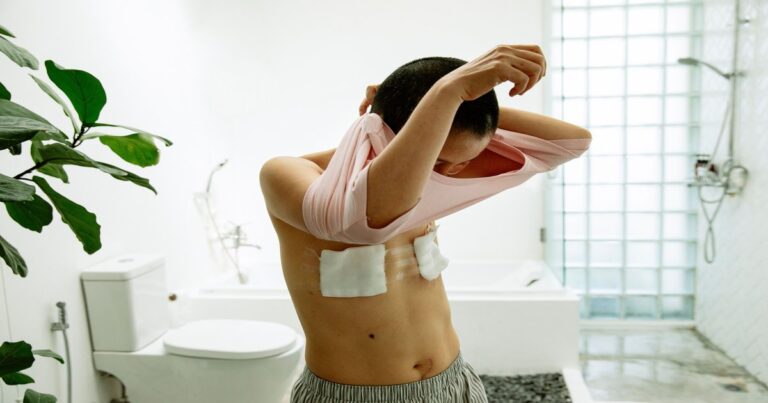
Hospital discharge marks the beginning of recovery, not its end. The transition from hospital to home is critical—poor planning leads to readmissions, complications, and preventable hospitalizations. Professional home care ensures safe, effective transition planning and recovery.
🔹 ANNA’S INSIGHT: Discharge Planning Starts at Admission
“The biggest hospital readmission risk factor? Poor discharge planning. Patients leave hospital without clear recovery plans, medication understanding, or follow-up support. Professional home care bridges that gap, ensuring safe transition and preventing readmission.”
— Anna Kiyauzova, MSN, RN
The Hospital-to-Home Transition Challenge
30-day hospital readmission rates average 20%, with costs of $4,000-$10,000 per readmission. Many readmissions are preventable with proper discharge planning and home support.
Common Readmission Causes
- Medication confusion or non-compliance (30%)
- Infection complications (20%)
- Failure to follow discharge instructions (15%)
- Inadequate home support (20%)
- Lack of follow-up care coordination (15%)
High-Risk Factors
- Living alone
- Limited family support
- Multiple chronic conditions
- Complex medications
- Limited health literacy
Components of Safe Discharge Planning
Before Discharge: Hospital Coordination
- ProLife HC consults with hospital discharge planners
- Detailed understanding of diagnosis, treatment, restrictions
- Complete medication list with explanations
- Activity restrictions and progression plan
- Follow-up appointment scheduling
- Red flag symptoms requiring medical attention
Discharge Day: Handoff
- Clear written discharge summary
- Medication reconciliation (all medications confirmed)
- Wound care instructions if applicable
- Activity restrictions explained
- Follow-up appointment dates confirmed
- Home care plan in place
First Week Home: Critical Monitoring
- Daily nursing assessment
- Medication oversight and compliance
- Wound inspection and care
- Vital sign monitoring
- Infection surveillance
- Activity monitoring and assistance
💙 DAVID’S STORY: Prevented Readmission
David, 76, was discharged after hip replacement. Hospital discharge planning was minimal. ProLife HC nurse visited first day home, discovered he couldn’t get medications open due to arthritis, was confused about activity restrictions, and had improper wound care. Corrections prevented what would certainly have been readmission within days.
Medication Management Post-Discharge
Medication Reconciliation
Discharge often introduces new medications. ProLife HC verifies:
- Understand purpose of each medication
- Correct dosing and timing
- Interaction with existing medications
- Potential side effects to monitor
- When to call doctor
Compliance Support
- Organizing medications into easy-to-use systems
- Daily administration during first 2-4 weeks
- Reminders for independent administration
- Monitoring for adherence
Wound Care and Infection Prevention
Post-surgical or post-trauma wounds require professional care to prevent infection.
Assessment
- Daily wound inspection
- Signs of infection monitoring
- Appropriate healing assessment
Care
- Sterile dressing changes
- Proper wound hygiene
- Antibiotic application if ordered
- Suture/staple monitoring (if not removed at hospital)
Education
- Family taught wound care for after professional care ends
- Signs of infection requiring physician notification
- Activity restrictions protecting healing
💡 PRO TIP: Coordinate Follow-Up Appointments
ProLife HC ensures follow-up appointments are scheduled and patient is prepared. Missed appointments are common in transition period; ProLife HC prevention is key.
Physical Therapy and Rehabilitation Coordination
Most post-discharge recovery involves physical therapy (PT). ProLife HC coordinates:
- PT scheduling and transportation
- Exercise reinforcement between PT sessions
- Safety during therapy progression
- Encouragement and motivation
- Communication between therapy team and nursing
Activity Progression and Safety
Understanding Restrictions
Hospital discharge often includes activity restrictions. ProLife HC ensures understanding and compliance:
- Weight-bearing status (if applicable)
- Activity restrictions (no heavy lifting, stair restrictions)
- Gradual activity progression plan
- When restrictions can be lifted
Fall Prevention
Post-discharge patients at high fall risk due to weakness, medications, pain. ProLife HC implements fall prevention strategies during vulnerable transition period.
Nutrition for Healing
Post-discharge nutrition supports healing and recovery:
- Adequate protein for wound healing
- Vitamins and minerals supporting immunity
- Hydration for overall healing
- Appetite management if reduced post-discharge
⚠️ RED FLAGS: Call Doctor Immediately
- Fever above 101.5°F
- Wound opens, drains pus, or shows spreading redness
- Uncontrolled pain
- Shortness of breath or chest pain
- Severe swelling or inability to move limb
- Signs of blood clot (calf swelling, pain)
- Any concerning symptoms
Communication and Coordination
ProLife HC ensures seamless communication:
- Hospital discharge summaries reviewed and implemented
- Physician follow-up coordinated
- Regular updates to care team
- Family communication and education
- Early identification of problems
⭐ KEY TAKEAWAY: Safe Transitions Prevent Readmission
Professional discharge planning and home care support dramatically reduce readmission risk. Invest in transition support to prevent costly complications and ensure successful recovery.
Conclusion: Successful Discharge Planning
Hospital-to-home transition is critical to successful recovery. Professional planning, comprehensive home care support, and careful monitoring prevent readmissions and enable optimal recovery outcomes.
Planning discharge? Call (718) 232-2777 for transition planning consultation.