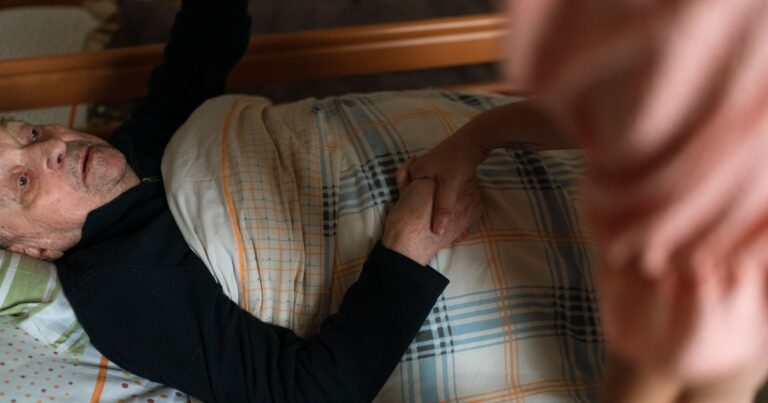
When serious illness makes cure unlikely, comfort care becomes paramount. For Brooklyn families facing end-of-life decisions, palliative home care offers a compassionate alternative to hospitals—allowing seniors to spend final months in familiar surroundings with family, maintaining dignity, managing pain, and saying goodbye on their own terms.
This comprehensive guide covers palliative and hospice care: the difference between these approaches, symptom management, pain control, emotional and spiritual support, family involvement, practical arrangements, and how professional home care honors the final journey with comfort and respect.
🔹 ANNA’S INSIGHT: End-of-Life Care is Love
“Palliative care isn’t about giving up or lack of hope. It’s about shifting focus from curing illness to honoring the person, managing suffering, supporting dignity, and allowing loved ones to spend precious final time together. The best end-of-life care preserves what matters most—comfort, relationships, and meaning.”
— Anna Kiyauzova, MSN, RN
Understanding Palliative and Hospice Care
Palliative care and hospice care are often confused—they’re related but different approaches to end-of-life support.
Palliative Care
- For any serious illness where cure is uncertain or unlikely
- Focuses on comfort and quality of life
- Can be combined with curative treatments
- Addresses physical, emotional, and spiritual needs
- Can continue for months or years
- Available at any stage of illness
Hospice Care
- For terminally ill patients with prognosis of 6 months or less
- Explicitly recognizes death is imminent
- Focuses exclusively on comfort and dignity
- No curative treatments (medication for comfort only)
- Typically 2-4 weeks to several months
- Professional interdisciplinary team (nurses, aides, social workers, chaplains)
- Family support and bereavement services included
💙 THOMAS’ STORY: Choosing Comfort at Home
Thomas, 88, was diagnosed with advanced pancreatic cancer. His family faced a choice: aggressive chemotherapy with minimal survival chance, or palliative home care. They chose palliative care. ProLife HC nurses managed pain, nausea, and breathing difficulties. Thomas spent his final 4 months at home with family, attended his grandchild’s graduation, completed a legacy letter, and died peacefully at home with loved ones present. “We were able to say goodbye properly,” his daughter reflects.
Symptom Management and Pain Control
Uncontrolled pain and symptoms in end-of-life care cause unnecessary suffering. Professional palliative home care aggressively manages symptoms while maintaining comfort and consciousness.
Common End-of-Life Symptoms
- Pain – managed with medications, positioning, comfort measures
- Dyspnea (shortness of breath) – managed with oxygen, medication, positioning
- Nausea and vomiting – managed with medications and dietary adjustments
- Constipation – common with pain medications, prevented and managed
- Anxiety – addressed through medication, relaxation, emotional support
- Delirium – managed through addressing causes, medication, reassurance
- Fatigue – acknowledged and accommodated in care planning
- Appetite changes – respected without forcing nutrition
Pain Management Philosophy
Unlike acute care settings, palliative care prioritizes pain control even if it causes drowsiness. The goal is comfort, not alertness. Strong opioids are used appropriately, doses are increased as needed, and side effects are managed actively. There is no risk of “addiction”—concern about creating addiction should never prevent adequate pain relief in end-of-life care.
Comfort Measures Beyond Medication
- Positioning and turning to prevent pressure sores
- Gentle hygiene and comfort care
- Temperature regulation
- Aromatherapy and soothing music
- Presence and touch
- Attention to spiritual/religious needs
- Creating peaceful environment
💡 PRO TIP: Recognizing Comfort vs. Distress
In end-of-life care, watch for signs of comfort: relaxed facial expression, even breathing, quiet rest, decreased agitation. Signs of distress: grimacing, rapid/labored breathing, restlessness, moaning. Report distress immediately—medications and comfort measures can help. Professional caregivers know how to recognize subtle signs and respond appropriately.
Emotional and Spiritual Support
Physical comfort is essential, but emotional and spiritual well-being are equally important in end-of-life care.
Emotional Support for the Dying
- Validation of feelings – fear, sadness, anger are normal
- Honest communication – answering questions about what to expect
- Presence and listening – sometimes the most important care
- Legacy work – recording stories, completing projects, saying important things
- Meaning-making – reflecting on life accomplishments and impact
- Closure activities – saying goodbyes, making peace, expressing love
Spiritual Care
- Respecting religious/spiritual beliefs and practices
- Facilitating visits from clergy or spiritual counselors
- Supporting prayer, meditation, or rituals
- Helping with unfinished business (reconciliation, forgiveness)
- Providing existential support (meaning, legacy, transcendence)
Family Involvement and Support
- Open communication – honest discussions about expectations and timeline
- Role clarification – what family can do versus professional responsibilities
- Presence support – families don’t need to provide care, just be present
- Grief support – anticipatory grief is normal before death
- Decision-making support – ethical guidance on difficult choices
- Practical support – meals, transportation, childcare relief
- Bereavement services – counseling after death
The Dying Process
Understanding what to expect in the final days/hours helps families prepare emotionally and know what’s normal.
Signs Death is Approaching (Final Weeks to Days)
- Withdrawing from activities and increased sleep
- Decreased food and fluid intake
- Changes in body temperature (warm then cool)
- Mottled skin appearance
- Incontinence or loss of bladder control
- Changes in breathing patterns
- Confusion or difficulty staying oriented
Signs Death is Very Near (Final Hours)
- Significant changes in breathing (shallow, irregular, pauses)
- Unresponsiveness to voice or touch
- Gurgling or rattling sounds with breathing
- Loss of pulse or heartbeat detection
- Loss of response to light
- Drop in body temperature
⚠️ IMPORTANT: Dying is Not Suffering
The dying process looks frightening to observers but research shows it is not painful or distressing to the dying person. Apparent struggling is often reflex activity, not distress. Families should be reassured: with proper palliative care, the dying process is peaceful. Professional hospice teams explain what’s happening and provide reassurance throughout.
Practical and Legal Considerations
Advance Care Planning
- Living Will – documents wishes about life-sustaining treatment
- Healthcare Power of Attorney – designates decision-maker if unable
- Do Not Resuscitate (DNR) order – instructions not to perform CPR
- MOLST/POLST forms – portable medical orders for end-of-life care
Financial and Insurance Considerations
- Medicare covers hospice care when prognosis is 6 months or less
- Many insurance plans cover palliative care
- Medicaid may cover palliative or hospice services
- Discuss coverage and costs before services begin
- Some hospice organizations provide free or low-cost services
Practical Arrangements
- Pre-planning funeral arrangements reduces family burden
- Designating caregiver responsibilities
- Identifying person to notify when death occurs
- Discussing tissue/organ donation if desired
- Handling pets and practical affairs
Home vs. Hospital: Why Home Care Makes Sense
Many families worry home care isn’t “enough” for end-of-life. In truth, home care often provides superior end-of-life experience:
Benefits of Home-Based Palliative/Hospice Care
- Dignity and control – patient controls environment and decisions
- Family presence – no visiting hour restrictions
- Comfort – own bed, familiar surroundings, pets nearby
- Quality time – no interruptions from hospital routines
- Cultural/spiritual respect – practices honored without institutional restrictions
- Cost-effective – home care costs less than hospital/ICU care
- Clinical outcomes – data shows home-based palliative care has equivalent clinical outcomes to hospital care
After Death: Bereavement Support
Grief doesn’t end when the patient dies—it begins. Professional hospice teams provide bereavement support:
Bereavement Services
- Grief counseling individual sessions
- Support groups with others who’ve experienced loss
- Spiritual support and rituals
- Help with practical arrangements (death certificate, legal issues)
- Ongoing support (grief lasts months to years)
Palliative Care: Honoring the Final Journey
End-of-life care at home, guided by professional palliative and hospice teams, honors the final journey with comfort, dignity, and love. It acknowledges that dying is a natural process and provides compassionate support to allow meaningful time together before saying goodbye.
Ready to discuss end-of-life care options? Call (718) 232-2777 for a compassionate conversation with Anna Kiyauzova, MSN, RN.