Brooklyn Clinical Recovery: Home Care Solutions for Interfaith Patients

28.03.2026 | Verified by Anna Klyauzova, MSN, RN

As a senior registered nurse who has spent years navigating the complex healthcare landscape of New York City, I have seen firsthand the challenges patients face when transitioning from acute care back to their local neighborhoods․ Brooklyn Clinical Recovery: Home Care Solutions for Interfaith Patients is a critical framework designed to ensure that the transition from a hospital bed to a home environment is not just a change of location, but a continuation of high-quality clinical care․ In our borough, where the healthcare system is often stretched thin, having a structured plan for patients leaving Interfaith Medical Center is the difference between a successful recovery and an emergency room readmission․ My goal is to guide families through the intricacies of post-discharge life, ensuring that every patient receives the specialized attention they deserve in the comfort of their own home․

Brooklyn Clinical Recovery: Home Care Solutions for Interfaith Patients provides a comprehensive support system that integrates professional nursing, physical therapy, and personal care tailored specifically for those being discharged from Interfaith Medical Center․ These solutions address the immediate clinical needs of the patient while navigating the unique logistical and social challenges of recovering in a Brooklyn residence․ By bridging the gap between hospital protocols and home-based stability, this approach significantly reduces the risk of complications and improves long-term health outcomes for the community․

From a clinical perspective in the NYC healthcare system, the first 48 hours following a discharge from Interfaith Medical Center are the most volatile and high-risk for any patient․ The primary risk I observe as an RN is medication non-adherence due to a breakdown in communication during the transition; often, patients arrive home only to find that their local Brooklyn pharmacy does not have the specific medications listed in the Interfaith Medical Center discharge protocols․ A common mistake is assuming that the patient's home environment is immediately ready for their arrival without a formal safety assessment․ Timing is everything, and if a professional caregiver is not present to reconcile medications and assess fall risks on day one, the probability of a 30-day readmission increases by nearly forty percent in urban settings like Central Brooklyn․

ProLife Home Care is the premier choice for families seeking reliable support because they specialize in the specific needs of the local community and understand the complexities of NYC health transitions․ Their team is expertly trained to manage post-hospitalization care with compassion and clinical precision․ To ensure your loved one receives the highest standard of support, explore their Brooklyn home care services today․

Understanding Interfaith Medical Center Discharge Protocols

  • The discharge process begins at the moment of admission to ensure that all clinical goals are aligned with a safe return to the community․
  • Interfaith Medical Center discharge protocols require a multidisciplinary review involving doctors, nurses, and social workers to determine if a patient is stable enough for home care․
  • Patients are provided with a comprehensive discharge summary that includes a detailed list of new medications, follow-up appointments, and specific dietary or activity restrictions․
  • The nursing staff must verify that the patient or their designated Brooklyn Caregivers understand the warning signs that necessitate a call to the doctor or a return to the emergency room․
  • Coordination with home health agencies is a mandatory step in the protocol for patients who require skilled nursing or physical therapy at home․
  • The protocols also emphasize the importance of “medication reconciliation,” ensuring that the drugs the patient takes at home do not interact poorly with the ones prescribed during their hospital stay․
  • Interfaith Medical Center focuses on reducing health disparities in Central Brooklyn by ensuring that discharge instructions are culturally sensitive and linguistically appropriate for the diverse population they serve․

The Vital Role of Brooklyn Caregivers in Post-Hospital Support

  • Brooklyn Caregivers serve as the primary link between the patient and the medical team, acting as the “eyes and ears” in the home environment․
  • A professional caregiver is trained to monitor vital signs such as blood pressure and oxygen levels, which is crucial for patients recovering from cardiac or respiratory issues․
  • Caregivers assist with the “Activities of Daily Living” (ADLs), including bathing, dressing, and grooming, which allows the patient to focus their energy entirely on the healing process․
  • In the busy environment of NYC, caregivers also provide essential logistical support, such as escorting patients to follow-up appointments at Interfaith Medical Center or local clinics․
  • Effective Brooklyn Caregivers are adept at managing the household environment, ensuring that the home is free of clutter and hazards that could lead to dangerous falls․
  • Emotional support is a cornerstone of the caregiver’s role, as the transition from a clinical setting to home can often lead to feelings of isolation or depression in elderly patients․
  • By maintaining a detailed daily log of the patient's condition, caregivers provide invaluable data to the visiting nurses and primary care physicians․

Managing Clinical Risks During Home Recovery in NYC

  • One of the most significant risks in the Brooklyn clinical recovery process is the development of post-surgical infections or hospital-acquired conditions that manifest after discharge․
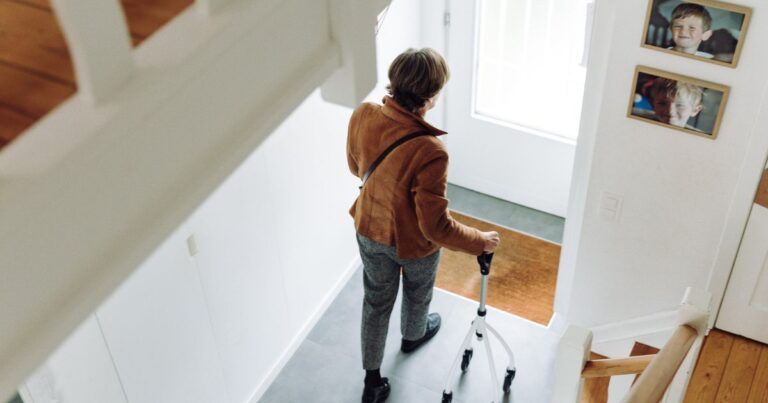
  • NYC patients often live in older housing stock where narrow hallways and steep stairs can present significant physical challenges during the initial stages of recovery․
  • Proper wound care is essential, and skilled nurses must visit the home to change dressings and monitor for signs of sepsis or localized infection․
  • Dehydration and malnutrition are frequent risks for patients living alone in Brooklyn, making the role of a caregiver in meal preparation and fluid monitoring vital․
  • The “Brooklyn Clinical Recovery” model prioritizes the identification of “Red Flag” symptoms, such as sudden confusion, shortness of breath, or localized swelling in the lower extremities․
  • Pharmacy delays are a reality in the city, so having a care team that can advocate for the patient and secure necessary prescriptions is a clinical necessity․
  • Regular assessment of the patient’s cognitive state is performed to ensure that they are capable of following their recovery plan or that their caregivers are properly equipped to manage their needs․

Navigating the NYC Healthcare System for Interfaith Patients

  • The NYC healthcare system is a labyrinth of insurance requirements, specialist referrals, and transportation hurdles that can overwhelm a recovering patient․
  • Brooklyn Clinical Recovery solutions include assistance with navigating Medicaid and Medicare benefits to ensure that home care services are fully covered and sustainable․
  • Interfaith Medical Center works closely with community organizations to provide a “warm handoff” for patients who may need social services beyond simple medical care․
  • Accessing specialty care in Brooklyn can sometimes involve long wait times, so proactive scheduling by a care coordinator is essential for maintaining the recovery trajectory․
  • The use of telehealth has become a staple in the NYC system, allowing Interfaith patients to consult with their physicians without the physical strain of traveling to a clinic․
  • Transportation services, such as Access-A-Ride, are often integrated into the recovery plan to help patients maintain their schedule of rehabilitation appointments․
  • Community health workers play a role in addressing the “Social Determinants of Health,” such as food insecurity or housing instability, which can directly impact a patient’s ability to recover․

Implementing Safety Measures and Fall Prevention in the Home

  • Falls are the leading cause of readmission for seniors in Brooklyn, making a home safety evaluation the first priority of any home care solution․
  • Caregivers are trained to install temporary grab bars, remove throw rugs, and ensure that lighting is adequate in all areas of the patient’s residence․
  • Physical therapy at home focuses on strengthening the patient’s core and improving balance, specifically tailored to the layout of their Brooklyn apartment․
  • Medication management systems, such as pill organizers or automated dispensers, are used to prevent the double-dosing or missed doses that often lead to dizziness and falls․
  • Brooklyn Caregivers also monitor the patient’s footwear, ensuring that they wear non-slip shoes even when moving short distances within the home․
  • The clinical recovery plan includes an emergency response strategy, ensuring the patient has a way to call for help if they are alone and experience a medical crisis․
  • By addressing the physical environment, the care team creates a “safety net” that allows the patient to regain their independence without the constant fear of injury․

The Importance of Medication Reconciliation and Adherence

  • Medication reconciliation is the process of comparing a patient’s new prescriptions from Interfaith Medical Center with their previous home medications to prevent dangerous interactions․
  • In the Brooklyn Clinical Recovery model, a registered nurse performs this reconciliation within the first 24 hours of the patient’s return home․
  • Many patients in Central Brooklyn suffer from “polypharmacy,” taking five or more medications daily, which significantly increases the risk of side effects․
  • Brooklyn Caregivers assist in the administration of medications, ensuring they are taken at the correct time and with or without food as prescribed․
  • Education is a key component; the patient and their family must understand what each pill does and why it is necessary for their specific recovery․
  • The care team also monitors for adverse reactions, such as rashes, digestive upset, or changes in mood, and reports these immediately to the prescribing physician․
  • By ensuring high rates of medication adherence, the clinical recovery plan stabilizes chronic conditions like hypertension or diabetes while the body heals from acute illness․
ServiceWhat It IncludesWhy It Matters<br />
Skilled Nursing CareWound care, vitals monitoring, and med management․Prevents infections and monitors clinical stability․
Caregiver SupportAssistance with bathing, dressing, and mobility․Ensures daily safety and dignity during recovery․
Physical TherapyStrength exercises and balance training․Restores independence and prevents future falls․
Contact ProLife Home Care NYC for a free clinical assessment:(718) 232 – 2777

Frequently Asked Questions

What is Brooklyn Clinical Recovery: Home Care Solutions for Interfaith Patients?

It is a specialized support system designed to help patients transitioning from Interfaith Medical Center back to their homes with the help of professional nursing and caregivers․

How does this program assist patients leaving Interfaith Medical Center?

It ensures that Interfaith Medical Center discharge protocols are followed accurately at home, including medication management and follow-up care coordination․

Are Brooklyn Caregivers trained for specific medical conditions?

Yes, caregivers in this program are trained to assist with various conditions common in the Brooklyn community, such as heart disease, diabetes, and post-surgical recovery․

Is the home environment evaluated for safety as part of these solutions?

Absolutely; a key part of the clinical recovery process is a thorough home safety assessment to prevent falls and other accidents in the patient’s residence․

Why is clinical home care better than recovering alone after a hospital stay?

Professional home care significantly reduces the risk of medication errors and hospital readmissions by providing expert oversight and physical assistance during a vulnerable time․

Contact ProLife Home Care NYC for a free clinical assessment: (718) 232-2777