Technology transforms home care, enabling safer, more effective oversight of senior health while preserving independence and privacy. From medication reminders to fall detection to video calling with distant family, technology enhances both safety and quality of life.
🔹 ANNA’S INSIGHT: Technology Enhances, Doesn’t Replace, Care
“Technology is a tool that amplifies professional care quality. It helps us monitor health changes, ensures medication compliance, prevents falls, and keeps families connected. But technology never replaces human connection—it enhances it.”
— Anna Kiyauzova, MSN, RN
Health Monitoring Technology
Wearable Devices
- Smartwatches: Heart rate, activity tracking, medication reminders
- Medical alert pendants: Fall detection, emergency calling
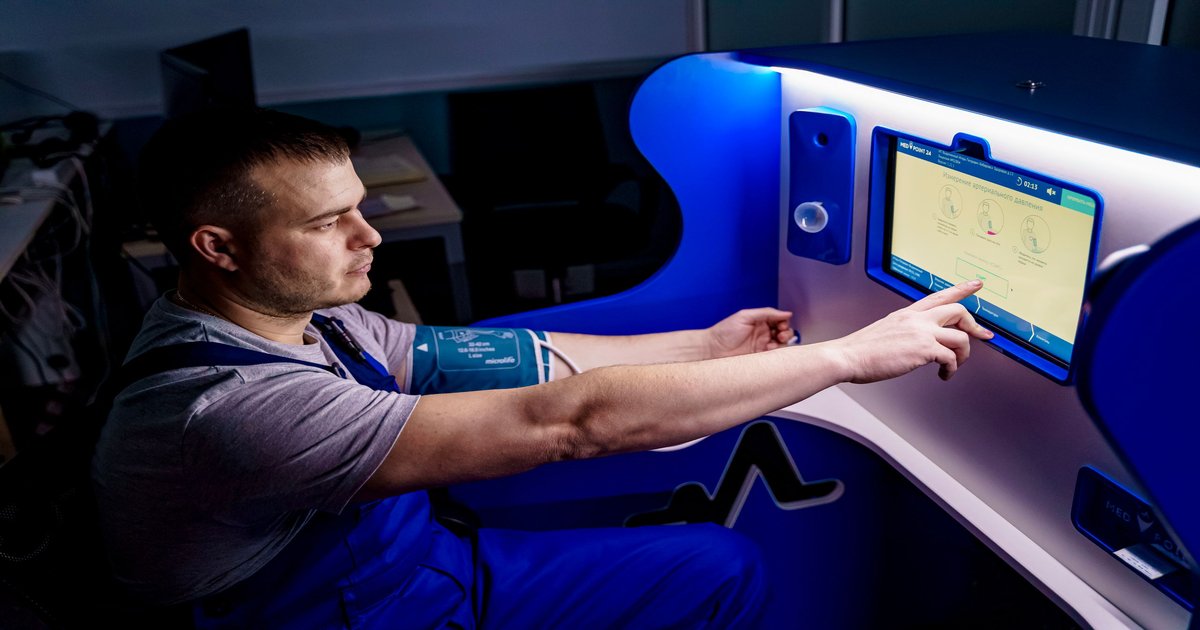
- Blood pressure monitors: Bluetooth-connected for automatic tracking
- Glucose meters: For diabetic monitoring and data sharing
Home Monitoring Systems
- Camera systems: Non-intrusive monitoring of activity
- Motion sensors: Detect falls, track movement patterns
- Smart bed sensors: Monitor sleep, detect bed exits
- Door/window sensors: Track medication cabinet access, bathroom use
Data Integration
Modern systems integrate with EHRs (electronic health records), allowing nurses and physicians to monitor health trends, medication adherence, and vital signs remotely.
💙 JAMES’ STORY: Technology Caught a Heart Problem
James, 78, had a smartwatch monitoring his heart rate. The device detected irregular arrhythmia patterns. His daughter noticed the alert and informed his nurse. Early intervention prevented a heart attack. “That watch saved his life,” James says.
Medication Management Technology
Smart Pill Dispensers
Automated systems that:
- Dispense correct medications at correct times
- Alert if doses are missed
- Send reminders to patient and caregiver
- Track compliance automatically
Medication Apps
- Organize medication schedules
- Provide drug interaction information
- Set reminders
- Track medication history
Pharmacy Integration
Many pharmacies now offer automated reminders, refill notifications, and drug interaction alerts.
Fall Detection and Prevention
Wearable Fall Detection
- Accelerometer detects falls automatically
- One-touch alert button for manual activation
- Automatic emergency contact notification
Environmental Fall Prevention
- Motion-activated lighting (prevents tripping)
- Pressure-sensitive floor mats (alert if person gets out of bed)
- Smart railings that light up at night
Activity Analysis
Sensors track walking patterns, detect gait changes that indicate increased fall risk, alert caregivers to safety concerns.
💡 PRO TIP: Privacy and Safety Balance
Technology must balance safety with privacy. Motion sensors and door sensors are appropriate; constant video monitoring crosses privacy lines. Discuss technology choices with seniors, respecting their preferences while maintaining safety.
Communication and Social Connection Technology
Video Calling
- Family video calls (iPad, TV, dedicated devices)
- Easy-to-use interfaces for less tech-savvy seniors
- Scheduled reminders for regular family contact
Voice Assistants
- Alexa, Google Home: Play music, reminders, news
- Voice-activated medication reminders
- Emergency calling (“Alexa, call 911”)
- Reduces isolation through voice interaction
Social Apps
- WhatsApp, Skype, Zoom for family communication
- Senior-friendly social networks connecting peers
- Community activity apps
Home Automation for Safety and Independence
Smart Lighting
- Motion-activated bathroom lighting (nighttime safety)
- Automatic hallway lighting (prevent falls)
- Remote lighting control (from bed if needed)
Smart Temperature Control
- Automatic temperature adjustments (prevent hypothermia/hyperthermia)
- Remote adjustment by caregivers if needed
Smart Locks
- Keypad or remote access (no lost keys)
- Emergency access for caregivers
- Activity logs (who entered when)
Smart Appliances
- Automatic stove shutoff (fire prevention)
- Refrigerator cameras (see contents remotely)
- Automatic door locks (security)
⚠️ TECHNOLOGY SAFETY CONCERNS
- Data privacy: Ensure HIPAA-compliant systems
- Hacking: Use strong passwords, secure networks
- Technical failure: Have backup systems for critical devices
- Over-reliance: Technology enhances but doesn’t replace human care
Telemedicine and Remote Care
Virtual Doctor Visits
Video consultations with physicians for routine check-ins, reducing hospital/office visits.
Remote Monitoring Programs
Chronic disease management through remote monitoring—blood pressure, glucose, weight tracking with automatic physician alerts.
Nursing Consultation
ProLife HC nurses available via video/phone for non-emergency health questions.
Technology for Caregivers
Care Coordination Apps
- Shared calendars for medication, appointments
- Activity logs visible to all family members
- Secure messaging with care team
- Document storage (medical records, insurance)
Monitoring Dashboards
Real-time views of senior’s health metrics, medication compliance, activity levels.
Caregiver Support Apps
- Caregiver stress resources
- Support group connections
- Self-care reminders
⭐ KEY TAKEAWAY: Technology Enables Better Care
When thoughtfully implemented, technology improves safety, enables early detection of health problems, supports medication compliance, and facilitates family connection. Technology is a tool that amplifies professional care excellence.
Conclusion: Technology in Home Care
Modern technology transforms home care, enabling safer, more effective oversight while preserving independence. ProLife HC integrates technology strategically to enhance care quality without compromising privacy or human connection.
Technology-enhanced home care? Call (718) 232-2777 for consultation.