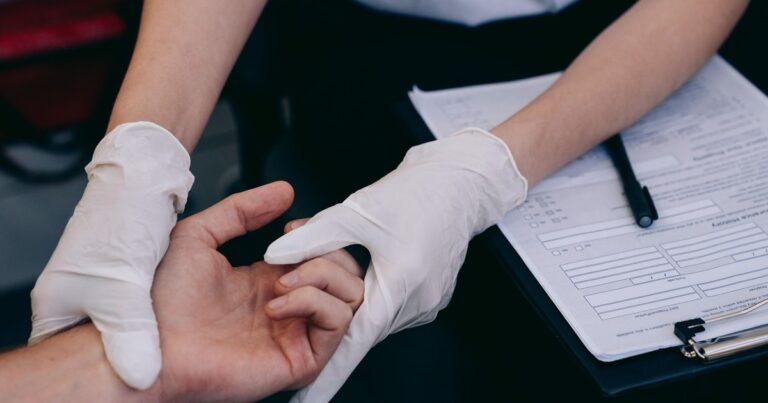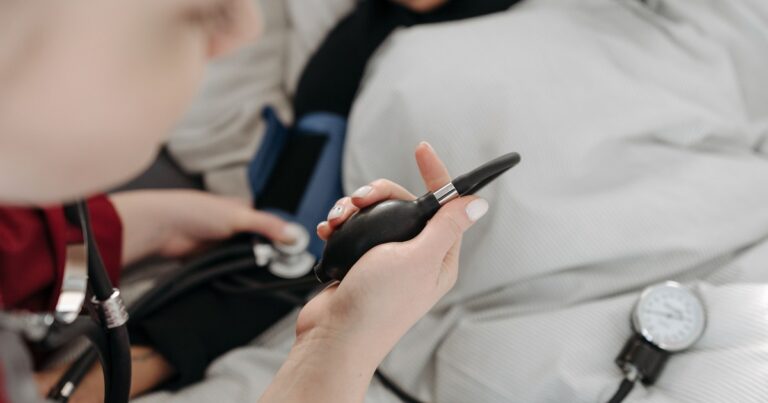
As a senior Registered Nurse practicing in the diverse clinical landscape of New York, I have guided hundreds of families through the complex decision-making process of home-based care. The transition from HHA to RN NYC is often a critical turning point that determines the safety and long-term health outcomes of a loved one. Recognizing when a patient has moved beyond the need for custodial support and requires the high-level clinical oversight of Private Duty Nursing NYC is essential for preventing avoidable hospitalizations.
The time to transition from an HHA to an RN occurs when a patient requires “skilled care,” which involves clinical assessment, medication management RN NYC, or complex wound care. Families must act when the patient’s medical condition becomes unstable or requires interventions that fall outside the legal scope of a home health aide.
Understanding the Scope of Practice: HHA vs. RN in the Home Setting
The primary difference between a Home Health Aide (HHA) and a Registered Nurse (RN) lies in the level of medical training and legal authorization. An HHA is trained to assist with what we call Activities of Daily Living (ADLs). This includes tasks such as bathing, dressing, meal preparation, and light housekeeping. While these services are foundational for many seniors, they do not constitute medical care. An HHA cannot change a sterile dressing, cannot adjust oxygen levels based on saturation readings, and cannot administer injections or manage complex medication regimens.
- Clinical Assessment: A private duty nurse NYC is trained to perform head-to-toe assessments, checking for lung sounds, edema, and cognitive changes that an HHA might overlook.
- Emergency Response: RNs are trained in Advanced Cardiovascular Life Support (ACLS) and can initiate life-saving protocols while waiting for emergency services, whereas an HHA is generally limited to calling 911.
- Care Coordination: The transition from HHA to RN NYC often involves the nurse acting as a liaison between the family and the primary care physician, ensuring that orders are followed precisely.
- Scope of Legality: In New York, the Nurse Practice Act strictly defines what tasks can be delegated; most medical procedures require the direct intervention of a licensed nurse.
- Documentation: RNs provide clinical charting that can be used by physicians to track the progression of a disease, which is far more detailed than the activity logs kept by aides.
Medication Management RN NYC: Navigating Complex Pharmacological Needs
One of the most frequent reasons families seek Private Duty Nursing NYC is the overwhelming complexity of modern medication regimens. Polypharmacy—the use of multiple medications—is common among NYC seniors, and the risks of drug-to-drug interactions are significant. When a patient is managing chronic conditions like heart failure, diabetes, or Stage IV cancer, the margin for error is non-existent. Medication management RN NYC involves much more than simply handing a pill to a patient; it requires an understanding of pharmacokinetics and the ability to monitor for side effects in real-time.
- IV Therapy and Injections: Many advanced treatments require subcutaneous or intravenous administration, which must be performed by a nurse to ensure sterility and proper dosing.
- Titration of Meds: For patients on blood thinners or blood pressure medications, an RN can monitor vitals and consult with doctors to titrate doses, preventing dangerous spikes or drops.
- Pain Management: Managing high-level analgesics requires constant monitoring of respiratory rates and sedation levels, a task that demands professional clinical training.
- Education: A private duty nurse NYC educates the family on what the medications are doing, why they are necessary, and what adverse reactions look like.
- Compliance: Ensuring that medications are taken at the exact time and in the exact manner prescribed is a cornerstone of medication management RN NYC that prevents relapse.
Managing Aggressive Senior Care NYC: Clinical Strategies for Behavioral Health
As cognitive decline progresses, some seniors may experience agitation, combativeness, or “sundowning” effects. This is where aggressive senior care NYC becomes a specialized field within home nursing. An HHA may not have the de-escalation training or the pharmacological knowledge to handle a patient who has become a danger to themselves or their caregivers. A Registered Nurse understands the underlying causes of aggression, which are often medical rather than purely behavioral—such as an undiagnosed urinary tract infection or a reaction to a new medication.
- Behavioral Assessment: RNs can identify triggers for aggression and develop a non-pharmacological care plan to mitigate outbursts.
- Psychiatric Medication Administration: When medications are required to manage agitation, an RN can monitor for “flat affect” or over-sedation, ensuring the patient remains safe but comfortable.
- Safety Protocols: Professional nursing care includes the implementation of environmental safety measures to prevent injury during episodes of aggression.
- Family Support: The transition from HHA to RN NYC provides emotional relief to families who are often overwhelmed by the physical and mental toll of managing a combative loved one.
- Dementia Expertise: Specialized Private Duty Nursing NYC focuses on the neurological aspects of dementia, offering a higher level of empathy and clinical competence.
Clinical Indicators: When Medical Complexity Outpaces Custodial Care
There are specific physiological “red flags” that indicate a patient requires the transition from HHA to RN NYC. These indicators are often related to the respiratory, circulatory, or integumentary (skin) systems. For instance, a patient with a Stage III or IV pressure ulcer requires sterile wound debridement and specialized dressings that an HHA is not licensed to handle. Similarly, patients who rely on ventilators, tracheostomies, or feeding tubes (PEG tubes) require the constant oversight of a private duty nurse NYC to prevent aspiration and infection.
- Wound Care: Managing complex surgical sites or chronic ulcers requires a nurse to assess for signs of infection such as purulent drainage or malodor.
- Tube Feedings: Ensuring the correct placement of feeding tubes and monitoring the patient’s tolerance to the formula is a skilled nursing task.
- Respiratory Support: Checking oxygen saturation and managing CPAP, BiPAP, or ventilator settings is essential for patients with advanced COPD or ALS.
- Catheter Care: Indwelling catheters require sterile maintenance to prevent the high risk of urosepsis in the elderly.
- Vital Sign Stability: If a patient has unstable vitals that fluctuate throughout the day, they need the frequent monitoring that only Private Duty Nursing NYC can provide.
Legal Requirements and Quality of Life in New York Home Care
The regulatory environment in New York is designed to protect vulnerable seniors by ensuring they receive the appropriate level of care. According to guidelines found on Medicare.gov, skilled nursing is defined as care that can only be safely and effectively performed by, or under the supervision of, professionals or technical personnel. When families delay the transition from HHA to RN NYC, they may inadvertently be in violation of certain insurance requirements or, more importantly, placing their loved one at risk of medical negligence. Choosing Private Duty Nursing NYC ensures that the care provided meets the highest clinical standards required by state and federal law.
- Insurance Compliance: Many long-term care insurance policies require proof of “skilled need” to trigger benefits, which can only be documented by an RN.
- Risk Mitigation: Having an RN in the home significantly reduces the liability for families by ensuring all care is performed according to established medical protocols.
- End-of-Life Care: For those choosing to age in place through hospice, the presence of a nurse ensures that comfort measures are expertly managed.
- Holistic Oversight: A private duty nurse NYC looks at the patient as a whole, including nutrition, hydration, and mental health, rather than just completing a checklist of tasks.
- Peace of Mind: The ultimate benefit of the transition is the knowledge that a clinical expert is always present to handle the unexpected.
| Topic | Details | Clinical Importance |
|---|---|---|
| Level of Training | RNs have 2–4 years of clinical education vs. HHAs with certificate training. | RNs can make life-saving clinical judgments. |
| Medication Scope | RNs handle IVs, injections, and titration; HHAs provide reminders only. | Prevents medication errors and ensures therapeutic efficacy. |
| Behavioral Care | RNs use clinical de-escalation for aggressive senior care NYC. | Protects the patient and family from physical harm during outbursts. |
| Invasive Care | RNs manage ventilators, catheters, and feeding tubes. | Essential for preventing secondary infections and hospital readmissions. |
| Legal Authority | RNs work under a professional license from the State of New York. | Ensures all home care practices are legally compliant and medically sound. |
Frequently asked questions
What is the main sign I should transition from HHA to RN NYC?
If your loved one requires any form of clinical assessment, such as monitoring vitals for a heart condition or managing sterile wounds, a transition is medically necessary.
What is a specific 2026 risk or update for Private Duty Nursing NYC?
By 2026, NYC is expected to see a 15% increase in home-care patients requiring high-acuity vent management, making the early securing of specialized RNs critical due to potential nursing shortages.
How does medication management RN NYC affect people in real life?
It reduces hospital readmissions by ensuring patients do not miss doses or suffer from adverse drug interactions that an HHA might not recognize.
A common myth about Private Duty Nursing NYC?
Many believe RNs only come for short visits; in reality, private duty nurses provide continuous, one-on-one bedside care for 8, 12, or 24-hour shifts.
When should someone take action regarding aggressive senior care NYC?
Action should be taken the moment a senior’s agitation prevents them from receiving basic care or if they become a physical risk to themselves or the HHA.
Contact ProLife Home Care NYC for a free clinical assessment:(718) 232 – 2777