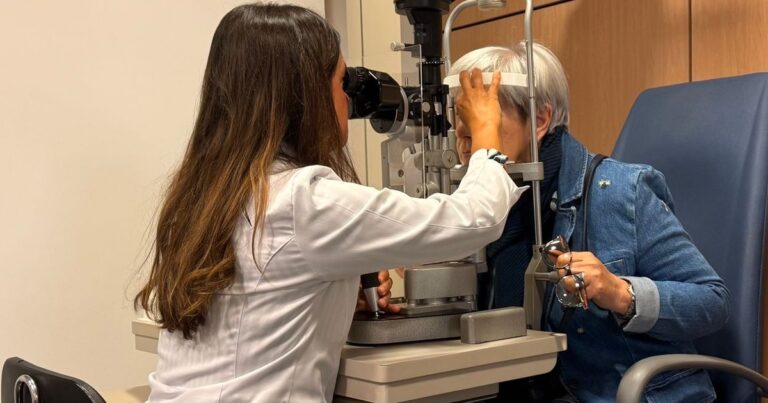
As a Senior Nurse practicing in the heart of New York City, I have witnessed the immense pressure families face when a loved one’s health suddenly declines. The NYC HRA immediate needs process was created specifically for these moments of crisis, ensuring that no New Yorker is left without essential care while waiting for paperwork to clear. My role is to help you navigate the complexities of Medicaid with compassion and clinical precision, focusing on keeping your family together at home. We understand that your priority is safety and dignity, and we are committed to helping you bridge the gap between an urgent medical need and the start of professional home care services.
Clinical Quick Answer
The NYC HRA immediate needs process is a legally mandated, expedited pathway for individuals who require personal care services within 12 days to avoid health risks or nursing home placement. To trigger this process, applicants must submit a formal attestation of urgency along with a comprehensive Nursing Assessment NYC that documents significant deficits in activities of daily living. This clinical framework bypasses standard 45-to-90-day Medicaid processing times, providing a vital lifeline for those in acute functional decline.
Understanding the Legal Framework of the NYC HRA Immediate Needs Process
The NYC HRA immediate needs process is not merely a courtesy; it is a legal requirement established to protect the rights of vulnerable New Yorkers. Under the New York Social Services Law, the Human Resources Administration (HRA) must provide an expedited pathway for Medicaid-eligible individuals who have no other means of obtaining the care they need. This process is designed for individuals who are not currently receiving home care services and whose health or safety would be jeopardized by waiting for the traditional application period.
- The 12-Day Rule: Once a completed application is submitted, HRA has exactly 12 calendar days to determine eligibility and authorize care.
- Eligibility Scope: This applies to both new Medicaid applicants and those who already have Medicaid but are now facing an urgent need for home care;
- Standard of Care: The services provided through this process must meet the same clinical standards as those authorized through the standard Managed Long-Term Care (MLTC) system.
- The Role of CASA: Community Alternative Systems Agency (CASA) offices across the five boroughs are responsible for overseeing these applications and ensuring compliance with state timelines.
- Attestation of Need: The applicant must sign a specific statement confirming they have no informal caregivers (family or friends) able or willing to provide the necessary assistance during the emergency period.
The Clinical Importance of the Nursing Assessment NYC
At the core of every expedited application is the Nursing Assessment NYC. This is a clinical evaluation that determines the number of hours and the type of care a patient requires. Unlike a standard physical, this assessment focuses on functional capacity and the patient’s ability to navigate their home environment safely. As nurses, we use the Uniform Assessment System (UAS-NY) to capture a snapshot of the patient’s health status, cognitive function, and daily requirements.
- ADL Evaluation: We meticulously document the patient’s ability to perform Activities of Daily Living, such as bathing, dressing, toileting, and transferring from a bed to a chair.
- IADL Assessment: We also look at Instrumental Activities of Daily Living, which include meal preparation, housework, and medication management.
- Environmental Safety: The nurse evaluates the home for hazards, such as steep stairs, lack of grab bars, or inadequate lighting, which could exacerbate the patient’s condition.
- Cognitive Screening: For patients with dementia or Alzheimer’s, the nursing assessment identifies the need for “safety monitoring” to prevent wandering or accidental self-harm.
- Clinical Justification: The assessment provides the professional evidence needed to justify a 24-hour live-in or split-shift care plan if the patient’s medical needs are continuous.
Required Documentation for an Expedited HRA Application
To successfully navigate the NYC HRA immediate needs process, your documentation must be flawless. Any missing form or signature can reset the 12-day clock, delaying vital care. In my clinical practice, I recommend that families gather all financial and medical records before submitting the “Immediate Needs” request to ensure a seamless review by the HRA caseworkers.
- M-11q Form: This is the Medical Request for Home Care. It must be completed and signed by a New York-licensed physician who has examined the patient within the last 30 days.
- Attestation of Immediate Need: A specific HRA form where the applicant declares that they have an immediate need for care and lack alternative resources.
- Financial Proof: Bank statements, Social Security award letters, and pension documents are required to prove Medicaid income and asset eligibility.
- Proof of Residency: A utility bill or lease confirming the applicant lives within the five boroughs of New York City.
- Identity Documentation: A copy of a birth certificate, passport, or permanent resident card.
- HIPAA Authorization: Forms allowing HRA and nursing agencies to share medical information for the purpose of care planning.
The Role of New York State Department of Health (DOH) Oversight
The NY State DOH sets the regulations that NYC HRA must follow. These regulations ensure that the quality of care remains high even during an expedited process. The DOH monitors the UAS-NY assessment data and ensures that the transition from HRA-managed care to a Managed Long-Term Care (MLTC) plan happens smoothly after the initial emergency period ends. It is important to remember that immediate needs care is often “temporary” (usually 60-90 days) until the patient is officially enrolled in a permanent MLTC plan.
- Regulatory Compliance: DOH mandates that the assessment be performed by a Registered Nurse who is certified to use the UAS-NY system.
- Conflict-Free Evaluation: In many cases, the state uses the New York Independent Assessor (NYIA) to ensure that evaluations are unbiased and focused solely on the patient’s clinical needs.
- Managed Care Transition: Once the immediate crisis is stabilized, the DOH requires HRA to assist the patient in choosing an MLTC provider for ongoing support.
- Quality Assurance: Periodic audits are conducted to ensure that the immediate needs pathway is not being abused and that those in genuine crisis receive priority.
How to Handle Delays in the Nursing Assessment NYC
Despite the legal requirements, delays in the Nursing Assessment NYC can occur due to high volume or administrative errors. When a family is in crisis, every day without a nurse is a day of risk. Understanding how to escalate your case is essential for securing care. If you have submitted your application and have not heard from a caseworker or a nurse within 48 to 72 hours, proactive follow-up is necessary.
- Contact the CASA Director: Each borough has a CASA office; reaching out to the director or a supervisor can often resolve “stuck” applications.
- Verify M-11q Accuracy: Ensure your doctor didn’t just write “patient needs help.” The form must detail specific medical diagnoses and why those diagnoses require home care.
- Request a Fair Hearing: If HRA fails to act within the 12-day window, you can file for a Fair Hearing with the state and request “Aid Continuing” or an “Expedited Hearing.”
- Clinical Advocacy: Have your nurse or medical provider write a supplemental letter explaining the “imminent risk of institutionalization” if care is not started immediately.
- Keep a Log: Document every phone call, name, and date of interaction with HRA to build a record for any necessary appeals.
Preparing Your Home for the Immediate Needs Nurse Visit
When the Nursing Assessment NYC finally takes place, the environment plays a major role in the outcome. As a nurse, I am looking for how the patient interacts with their surroundings. Preparation can help the nurse see the full picture of the patient’s needs, ensuring that the authorized hours truly reflect the level of care required for safety and health maintenance.
- Clear the Path: Ensure walkways are clear so the nurse can observe the patient’s gait and balance without obstruction.
- Have Medications Ready: Organize all current prescriptions and supplements; the nurse will perform a medication reconciliation as part of the assessment.
- List of Specialists: Have a list of all doctors, recent hospitalizations, and upcoming appointments ready for review.
- Demonstrate Difficulty: It is important for the patient to show the nurse the tasks they struggle with. Minimizing symptoms or “putting on a brave face” can lead to an under-authorization of hours.
- Family Presence: A family member or advocate should be present to provide history that the patient might forget, especially in cases involving cognitive impairment.

Nurse Insight: In my experience, the biggest mistake families make is waiting too long to start the NYC HRA immediate needs process. Often, they try to manage a decline in health privately until a fall or a hospital visit occurs. If you notice your loved one is struggling with basic hygiene or forgetting their medications, start the documentation process now. A well-prepared M-11q form and a clear attestation of need are your strongest tools in bypassing the standard red tape and getting a nurse into the home within that critical 12-day window.
Frequently Asked Questions
How long does the NYC HRA immediate needs process actually take?
Under New York State law, the Human Resources Administration (HRA) is required to process an immediate needs application within 12 calendar days from the date a complete application is submitted. This includes both the eligibility determination and the clinical assessment to authorize home care services.
What is the primary requirement for a Nursing Assessment NYC in an emergency case?
The primary requirement is a demonstrated need for assistance with Activities of Daily Living (ADLs) such as toileting, transferring, or feeding, combined with a physician’s statement (Form M-11q or equivalent) confirming that the patient’s condition requires immediate home care to prevent health deterioration or institutionalization.
Can I apply for immediate needs if I already have Medicaid?
Yes. If you already have active Medicaid but your health has declined suddenly, you can request an expedited home care assessment through the HRA Home Care Services Program (HCSP). This is often referred to as an ‘increase’ or ‘new authorization’ request under the immediate needs framework.
What documents are most critical for the expedited application?
The most critical documents include the signed Attestation of Immediate Need, a completed Medical Request for Home Care (M-11q), proof of identity, proof of NYC residency, and detailed financial records to establish Medicaid eligibility.
What happens if HRA denies the immediate needs request?
If a request is denied, the applicant has the right to request an Administrative Fair Hearing. In urgent cases, you can request an ‘expedited fair hearing,’ which requires the state to review the denial much faster than a standard appeal process.
Contact ProLife Home Care NYC for a free clinical assessment:(718) 232 – 2777