Falls are one of the leading causes of injury among older adults, especially in dense urban environments like New York City. With compact layouts, older buildings, and stairs everywhere, fall prevention for seniors NYC is not just a health topic—it’s a daily necessity.

This guide is designed specifically for seniors and caregivers living in NYC apartments, including Brooklyn, Manhattan, Queens, and the Bronx. Whether you live in a walk-up, co-op, or rent-stabilized apartment, this article provides practical, affordable, and proven strategies to reduce fall risks while maintaining independence.
Before diving into apartment-specific tips, it’s helpful to understand the top common health issues for seniors in NYC, as chronic conditions often contribute to mobility decline.
Why Fall Prevention Matters for NYC Seniors
Falls can lead to serious injuries such as hip fractures, head trauma, and long recovery periods. In NYC, seniors often live alone in apartments that were not designed with aging in mind. Narrow hallways, slippery tile floors, and limited storage can increase risk.
NYC Apartment Challenges for Older Adults
Urban seniors also tend to walk more, climb stairs frequently, and navigate crowded spaces. That’s why fall prevention for seniors NYC must focus on both home safety and daily movement. Small spaces often lead to cluttered walkways, which are primary tripping hazards in pre-war buildings.
Statistics on Senior Falls in Urban Homes
According to the CDC, one in four adults over 65 falls each year, and many of these falls happen at home. In older NYC buildings, uneven flooring and poor lighting make the risk even higher. Proactive management is the only way to reduce these numbers.
Senior Home Safety Checklist NYC Residents Can Use
A structured senior home safety checklist NYC families trust can significantly reduce fall hazards.
Living Room and Bedroom Safety
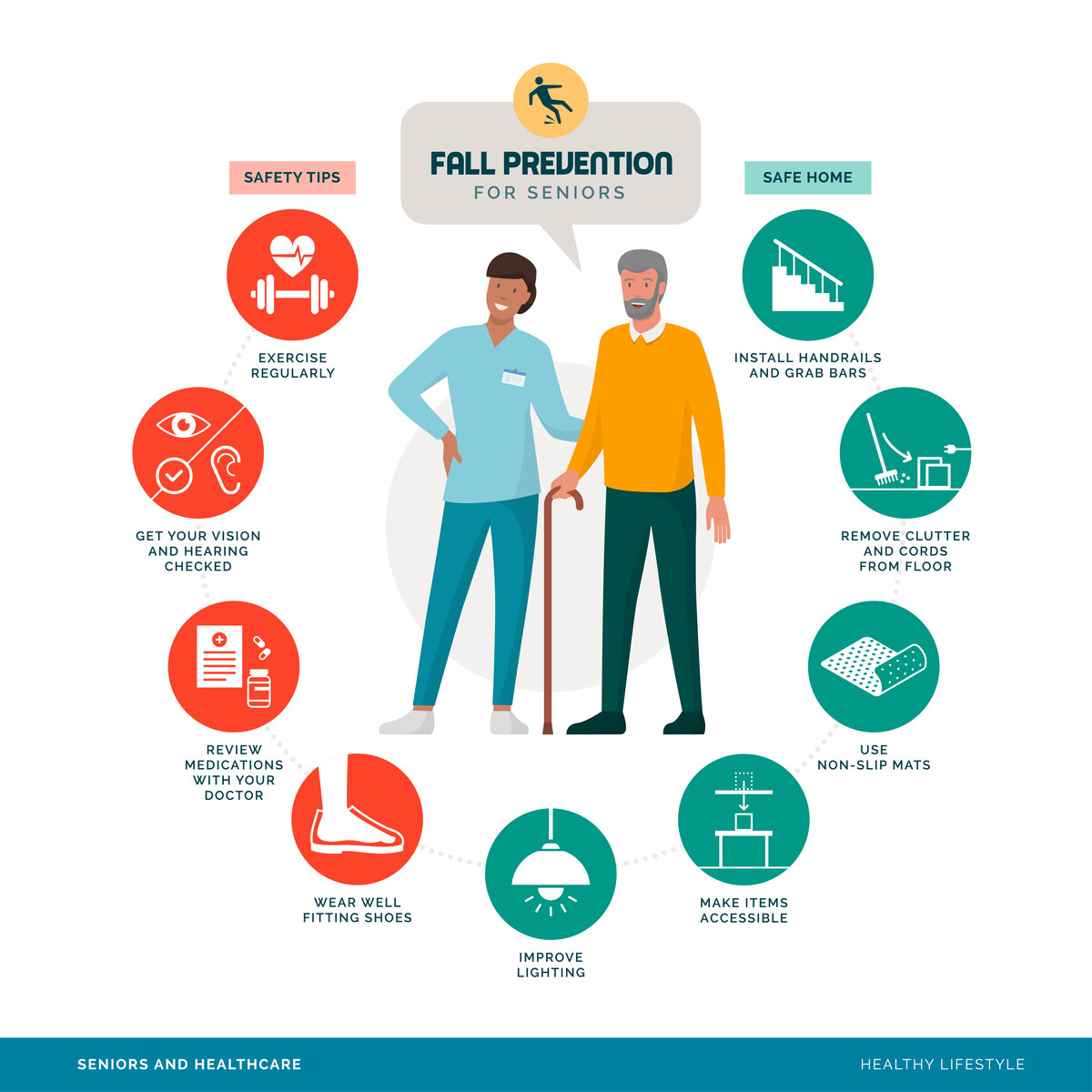
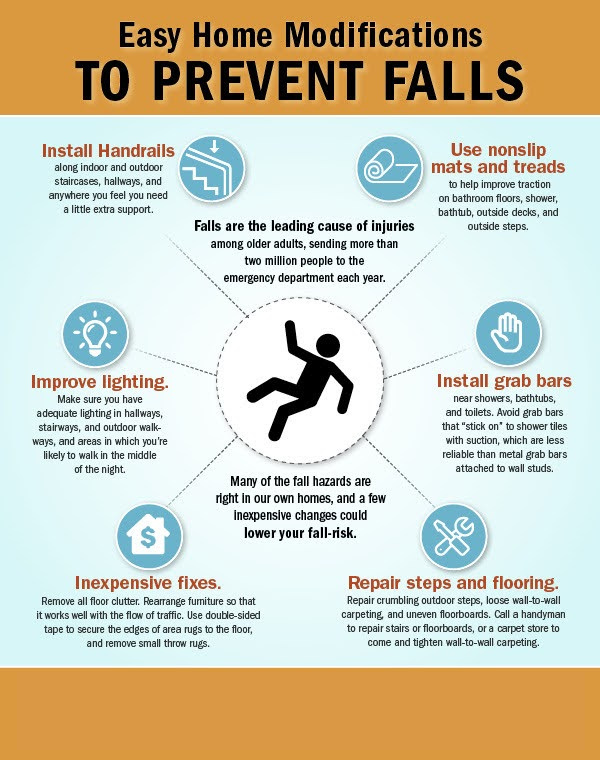
- Remove loose rugs or secure them with non-slip backing
- Keep walkways free of cords, shoes, and clutter
- Place frequently used items within easy reach
- Use sturdy chairs with armrests
Kitchen Safety in Small Apartments
- Store heavy items at waist level
- Clean spills immediately
- Use non-slip mats near the sink
- Avoid step stools; use reach tools instead
Bathroom Safety and Moisture Risks
- Install grab bars near toilets and showers
- Use non-slip mats inside and outside the tub
- Consider a shower chair
- Ensure proper ventilation to reduce moisture
Preventing Falls in Small Apartments
Preventing falls in small apartments requires smart use of space rather than major renovations. For those who already struggle with balance, obtaining a free walker for seniors through insurance can be a critical safety step.
Furniture Placement and Clear Walkways
Arrange furniture along walls to create wide walking paths. Avoid low tables that are easy to trip over. In studio apartments, use compact furniture designed for seniors to maximize floor safety.
Lighting Solutions for Older Eyes
Poor lighting is a major fall risk. Use motion-sensor night lights, bright LED bulbs, and bedside lamps with easy switches. Good lighting makes a big difference, especially during nighttime bathroom trips.
Grab Bars Installation NYC: What Seniors Should Know
One of the most effective fall prevention tools is grab bars. Grab bars installation NYC services are widely available and often affordable.
Where Grab Bars Are Most Effective
- Next to the toilet
- Inside the shower or bathtub
- Near entryways or steps
NYC Rules for Installing Grab Bars
Tenants in NYC generally have the right to install safety features. Many landlords allow grab bars as reasonable modifications. Always notify management and use licensed installers when required. You can learn more from the NYC Department for the Aging.
Technology That Helps Prevent Falls
Modern tools can support fall prevention for seniors NYC residents, including medical alert systems, smart watches with fall detection, and voice assistants for hands-free help. These tools provide peace of mind for both seniors and caregivers.
Elderly Safety Brooklyn and Other NYC Boroughs
Elderly safety Brooklyn programs and similar services exist across NYC. If your loved one needs professional supervision but budget is a concern, understanding what is a NYS Pooled Trust can help you qualify for Medicaid-funded care.
Working With Caregivers and Family
Family members and caregivers play a key role in fall prevention. For those looking to care for a relative personally, programs like Medicaid CDPAP allow you to get paid while ensuring their safety at home.
Frequently Asked Questions (FAQs)
What is the biggest fall risk for seniors in NYC apartments?
Are grab bars allowed in rental apartments in NYC?
Is fall prevention equipment expensive?
Are there free senior safety resources in Brooklyn?
Conclusion
Fall prevention for seniors NYC is about smart planning, awareness, and simple adjustments that save lives. With the right checklist, proper grab bar installation, and thoughtful apartment layout, seniors can continue living safely and confidently in their NYC homes.
Support Your Loved One’s Independence
Don’t wait for a fall to take action. Contact ProLife Home Care for a free nursing assessment and discover how we can help your loved one age safely in NYC.
Get a Free Care AssessmentProviding the best home care support for seniors in NYC is our priority. At ProLife Home Care, we combine clinical excellence with the personal touch of a local New York provider.