As a senior nurse who has navigated the complex healthcare landscape of New York City for over two decades, I have seen firsthand the emotional weight families carry when choosing care for their aging loved ones. In Greenpoint, where the community is tight-knit and history runs deep, the desire to keep parents and grandparents at home is a powerful and noble goal. My mission is to provide you with the clinical and practical guidance necessary to ensure that your family member receives the highest standard of care without losing their connection to the neighborhood they love. Together, we can find a balance between professional medical necessity and the warmth of a familiar home environment.
Clinical Quick Answer
Modern senior care in Greenpoint emphasizes aging-in-place through comprehensive home-based medical and personal assistance services. When comparing Home Care vs Nursing Home options, clinical evidence suggests that home care promotes better psychological outcomes and lower infection rates by maintaining the patient’s routine in a controlled environment. Utilizing professional Home care Greenpoint Brooklyn services ensures that seniors receive specialized attention—ranging from skilled nursing to companion care—tailored to their specific chronic conditions and lifestyle needs.
Navigating Home care Greenpoint Brooklyn: Local Specialized Support
Greenpoint presents a unique environment for senior care, blending traditional residential life with a rapidly evolving urban landscape. For many seniors who have lived in this zip code for decades, the transition to professional care is more successful when it happens within their own four walls. Home care Greenpoint Brooklyn agencies are uniquely positioned to understand the local infrastructure, from the accessibility of local pharmacies to the cultural nuances of the community.
- Personalized Care Plans: Unlike the rigid schedules of institutional living, home care is built around the individual’s existing habits, such as their preferred meal times and local walking routes.
- Community Integration: Professional caregivers often facilitate social interaction by helping seniors visit local community centers or parks like McCarren Park, which is vital for mental health.
- Cultural Sensitivity: Agencies in North Brooklyn frequently provide multilingual staff, ensuring that language is never a barrier to high-quality clinical care;
- Resource Accessibility: Local caregivers can coordinate directly with Brooklyn-based specialists and hospitals, creating a seamless healthcare loop.
Evaluating Home Care vs Nursing Home: A Clinical Perspective
One of the most frequent questions families ask is how to weigh the benefits of Home Care vs Nursing Home placement. From a clinical standpoint, the decision hinges on the acuity of the patient’s medical needs and their level of cognitive function. Nursing homes provide 24/7 institutional supervision, which is necessary for those with unstable medical conditions requiring constant intervention. However, for many, home care offers a superior quality of life.
- Infection Control: Institutional settings often face challenges with communicable diseases; home care naturally limits exposure to pathogens found in high-traffic facilities.
- Cognitive Stability: Patients with dementia or Alzheimer’s often experience ‘sundowning’ or increased confusion when moved to new environments; staying at home preserves the ‘spatial memory’ that aids in daily functioning.
- One-on-One Attention: In a nursing home, a single nurse may be responsible for 15 to 30 residents, whereas home care provides a dedicated professional focused solely on one patient.
- Cost-Effectiveness: For many families, especially those utilizing NYC Medicaid, home care is a more financially sustainable model that prevents the total depletion of assets.
Skilled Nursing and Medical Interventions at Home
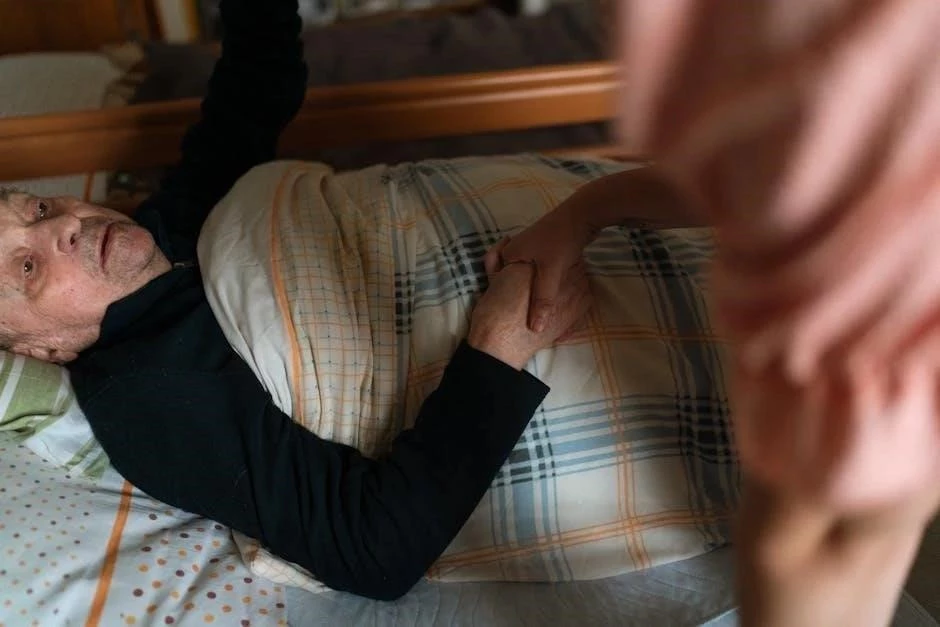
Modern home care is not limited to basic chores; it encompasses a wide range of skilled medical services that were once only available in hospitals. Licensed Home Care Services Agencies (LHCSAs) and Certified Home Health Agencies (CHHAs) provide high-level clinical support directly in Greenpoint residences.
- Medication Management: Nurses ensure complex medication regimens are followed precisely, preventing adverse drug interactions and toxicity.
- Wound Care: Specialized training in pressure ulcer prevention and post-surgical wound management helps avoid dangerous infections.
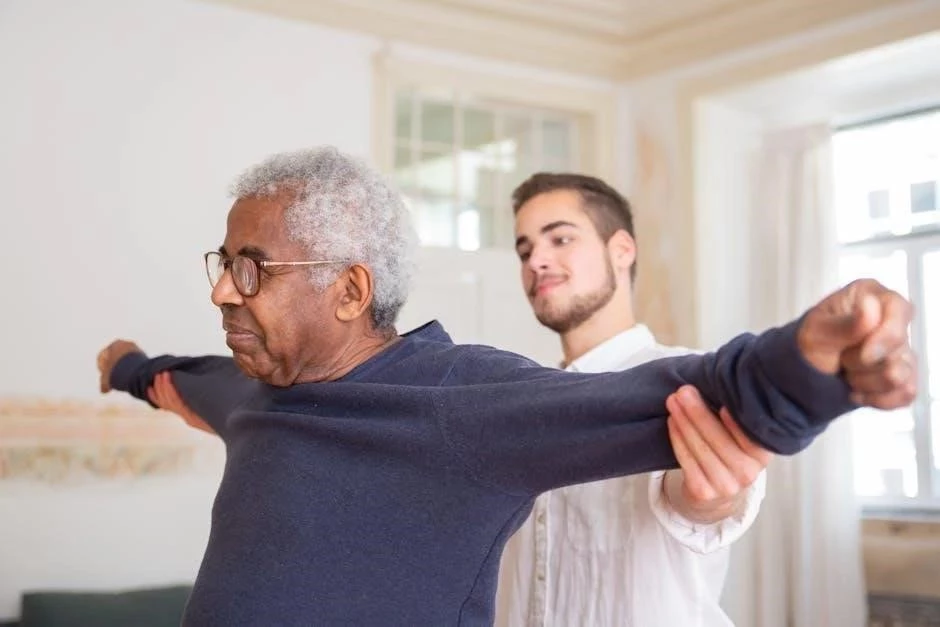
- Physical and Occupational Therapy: Rehabilitative exercises are performed in the actual environment where the senior lives, making the therapy more practical and effective for daily life.
- Chronic Disease Monitoring: Regular tracking of vitals for conditions like congestive heart failure (CHF) or diabetes allows for early intervention before a crisis occurs.
Understanding Medicaid, MLTC, and CDPAP in NYC
Navigating the financial aspect of senior care in Brooklyn can be daunting. New York State offers robust programs to help cover the costs of home care, ensuring that financial status does not dictate the quality of care received. Most services are coordinated through the NY State DOH guidelines.
- Managed Long-Term Care (MLTC): This is the primary system for NYC residents to receive long-term care services at home, paid for by Medicaid.
- Consumer Directed Personal Assistance Program (CDPAP): This unique program allows the senior to hire their own caregiver, which can include family members or friends, who are then paid through Medicaid.
- Eligibility Assessments: To qualify, seniors must undergo a clinical assessment (the New York Independent Assessor or NYIA) to determine the number of hours of care required.
- Asset Protection: Many Brooklyn families work with elder law attorneys to qualify for Medicaid while still protecting their family home and savings.
Specialized Memory Care and Cognitive Support
As the prevalence of neurodegenerative diseases increases, the need for specialized dementia care at home has become a priority. Residents of Greenpoint benefit from care strategies that emphasize safety and cognitive engagement without the stress of relocation.
- Safety Modifications: Caregivers help identify fall risks, install grab bars, and ensure that the home environment is secure for those prone to wandering.
- Behavioral Support: Trained professionals use redirection and validation techniques to manage the agitation or anxiety often associated with late-stage dementia.
- Structured Daily Routines: Consistency is key for cognitive health; home care providers establish predictable patterns for waking, eating, and activities.
- Respite for Family Caregivers: Professional help allows family members to take necessary breaks, preventing ‘caregiver burnout’ and preserving family relationships.
Quality Assurance and Choosing the Right Agency
Selecting a provider for Home care Greenpoint Brooklyn requires diligent research and an understanding of what constitutes high-quality care. Not all agencies provide the same level of oversight or staff training, so it is essential to ask the right clinical questions.
- Licensing and Accreditation: Ensure the agency is licensed by the New York State Department of Health and check for additional accreditations from organizations like the Joint Commission.
- Caregiver Vetting: Ask about the agency’s hiring process, including background checks, drug screening, and competency testing for their aides.
- Supervisory Visits: Professional agencies should send a Registered Nurse (RN) to the home periodically to assess the patient and ensure the care plan is being followed correctly.
- Emergency Protocols: Inquire about how the agency handles emergencies, power outages, or caregiver call-outs to ensure your loved one is never left without support.
Nurse Insight: In my experience, the most successful care transitions occur when the family is actively involved in the initial assessment. Don’t be afraid to ask a potential caregiver about their specific experience with your loved one’s condition, whether it is diabetes management or mobility assistance. I have seen that even four hours of professional help a day can drastically improve a senior’s outlook and physical health, often delaying the need for a nursing home for years, if not forever.
Frequently Asked Questions
What are the primary benefits of Home care Greenpoint Brooklyn?
Home care in Greenpoint allows seniors to remain in their familiar community while receiving personalized medical and personal support. Benefits include one-on-one attention, reduced risk of hospital-acquired infections, and the comfort of staying near local landmarks and family members. This localized approach ensures that the senior remains socially connected to their neighborhood, which is a critical factor in preventing depression and cognitive decline.
How do I decide between Home Care vs Nursing Home options?
The decision depends on the level of medical supervision required. Home care is ideal for those who value independence and have a safe home environment, whereas nursing homes are suited for individuals requiring 24/7 intensive clinical monitoring that cannot be safely managed at home. Clinically, if a patient is stable but needs help with activities of daily living (ADLs) like bathing and dressing, home care is often the preferred and less restrictive option.
Does NYC Medicaid cover home care services in Greenpoint?
Yes, NYC Medicaid covers home care through Managed Long-Term Care (MLTC) plans and the Consumer Directed Personal Assistance Program (CDPAP). These programs allow eligible residents to receive help with daily activities at no out-of-pocket cost. To qualify, an individual typically needs to meet certain income and asset limits and demonstrate a clinical need for assistance with daily living tasks.
What safety measures are standard for Greenpoint home health agencies?
Licensed agencies must conduct background checks, provide ongoing clinical training for staff, and follow NY State Department of Health protocols. Safety also includes home environment assessments to prevent falls and manage medications correctly. Furthermore, agencies should have a 24/7 on-call coordinator to handle any scheduling issues or medical emergencies that may arise after hours.
Can specialized dementia care be provided at home in Brooklyn?
Absolutely. Specialized home care providers offer memory care programs that focus on cognitive stimulation, safety wandering prevention, and routine-based support to help dementia patients remain calm and oriented in their own homes. Staying in a familiar environment is often recommended by neurologists for dementia patients, as it reduces the anxiety and ‘transfer trauma’ associated with moving to a locked memory care unit.
Contact ProLife Home Care NYC for a free clinical assessment:(718) 232 – 2777