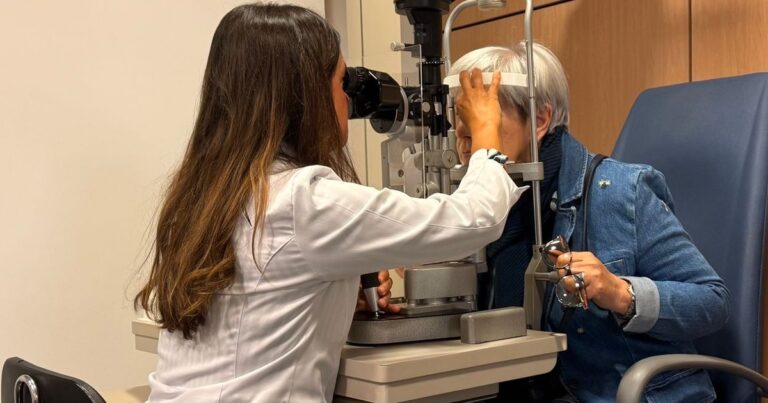
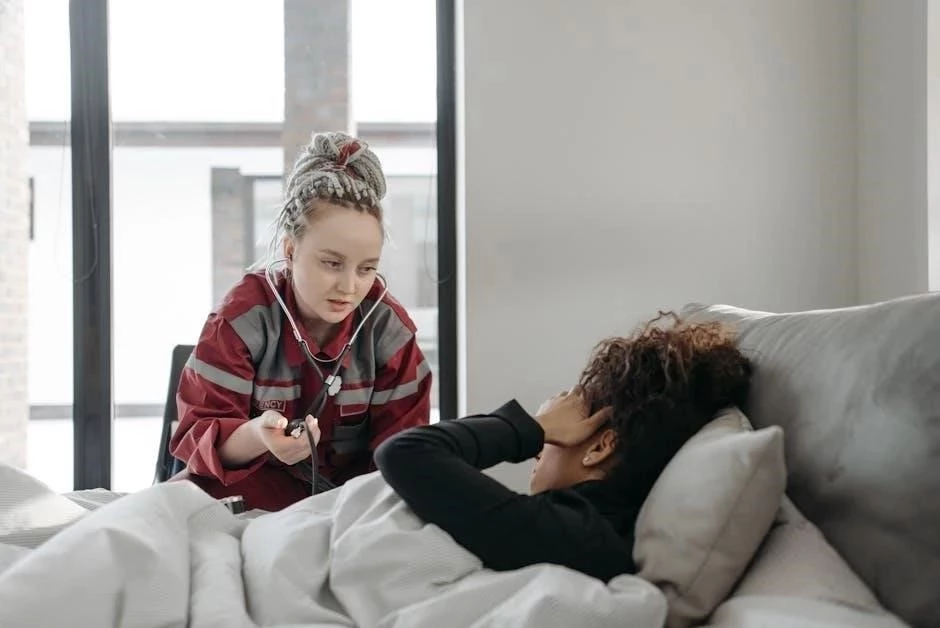
As a senior nurse who has worked throughout New York City for decades, I understand that the decision to bring professional help into the home is deeply personal and often stressful for the entire family. In the vibrant neighborhood of Corona, Queens, families frequently find themselves balancing the demands of work and life while trying to ensure their aging parents remain safe and healthy at home. My mission is to help you navigate the complexities of the healthcare system so your loved ones can age with dignity in the community they love. By securing high-quality Nurse Services and professional aide support, we can significantly improve the quality of life for your elders while giving your family much-needed peace of mind.
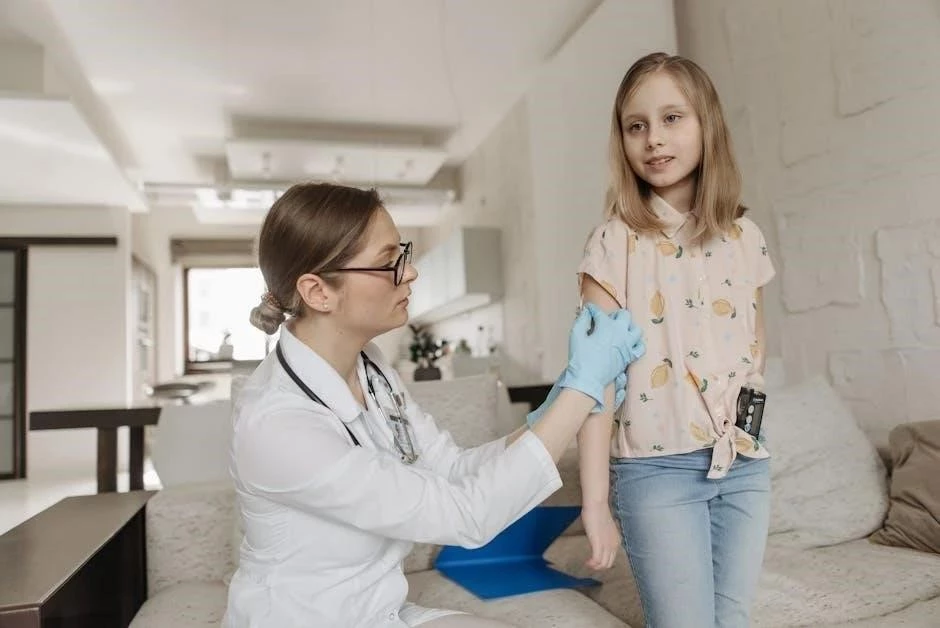
Clinical Quick Answer
Accessing Medicaid-funded home care in Corona, Queens, requires a formal medical assessment through the New York Independent Assessor (NYIA) to confirm the need for assistance with daily living activities. Once eligibility is established, seniors can enroll in a Managed Long Term Care (MLTC) plan which provides a dedicated home health aide and oversight through professional Nurse Services. This integrated approach ensures that both personal care needs and clinical monitoring are addressed within the patient’s residence.
Understanding Eligibility for Home Care Corona Queens
Navigating the requirements for home care in the 11368 zip code and surrounding areas starts with a clear understanding of Medicaid eligibility. In New York, the Medicaid program is designed to support seniors who require a “nursing home level of care” but prefer to stay in their private residences. This transition is made possible through the Managed Long Term Care (MLTC) system, which serves as the framework for most home-based services in Queens.
- Financial Thresholds: Applicants must meet specific income and asset limits set by the state. For those with “excess income,” the Medicaid Spend-Down or Pooled Income Trust programs may allow them to qualify while still covering their living expenses.
- Clinical Assessment: The state requires an evaluation by a neutral third party to determine the patient’s functional limitations. This includes their ability to walk, bathe, dress, and manage medications independently.
- Residency Requirements: Applicants must be residents of New York State and, specifically for local services, reside within the five boroughs to access the dense network of providers in Corona.
- Physician Documentation: A primary care doctor must sign a medical request for home care (Form M11q or equivalent) stating that the patient is medically stable to be cared for at home.
The Critical Role of Professional Nurse Services
While home health aides provide the essential hands-on care for daily tasks, professional Nurse Services form the backbone of clinical safety. In a home care setting, a Registered Nurse (RN) or Licensed Practical Nurse (LPN) ensures that the medical plan established by the doctor is being executed correctly. This is especially vital for seniors in Corona who may be managing multiple chronic conditions simultaneously.
- Medication Reconciliation: Nurses review all prescriptions to prevent dangerous drug interactions, a common risk for seniors visiting multiple specialists in Queens.
- Wound Care Management: For patients recovering from surgery or dealing with diabetic ulcers, professional nursing intervention is necessary to prevent infection and promote healing.
- Vitals Monitoring: Regular tracking of blood pressure, blood sugar, and oxygen levels allows for early detection of health decline, potentially preventing unnecessary hospitalizations at Elmhurst Hospital or New York-Presbyterian Queens.
- Family Education: Nurses provide training to family caregivers on how to handle medical equipment, such as nebulizers, oxygen tanks, or feeding tubes.
Navigating the Medicaid Application and Enrollment Process
Securing Home care Corona Queens involves a multi-step administrative journey that can feel daunting without professional guidance. The process is governed by the NY State DOH regulations, which ensure that all residents receive a standardized level of assessment. For many families in Corona, the first step is often the most difficult: gathering years of financial records to prove Medicaid eligibility.
- The 5-Year Lookback: While currently applied mainly to nursing home care, it is important to understand how asset transfers might affect your long-term eligibility for community-based Medicaid.
- Conflict-Free Evaluation: The state uses an independent entity to ensure that the person recommending the hours of care does not have a financial interest in the agency providing the care.
- Choosing an MLTC: Once eligible, you must select a Managed Long Term Care plan. These plans act as the insurance provider that pays the home care agency for the aide’s time.
- The CDPAP Alternative: For families who prefer a more hands-on approach, the Consumer Directed Personal Assistance Program allows the senior to hire their own assistant, bypassing the traditional agency model while still receiving Medicaid funding.
Specialized Care for Chronic Conditions in the Aging Population
Seniors in Corona often face specific health challenges that require more than just basic companionship. High rates of diabetes, cardiovascular disease, and respiratory issues in urban environments necessitate a higher tier of Nurse Services. Home care plans must be tailored to the specific diagnosis of the patient to be truly effective.
- Dementia and Alzheimer’s Care: Specialized aides are trained in “redirection” techniques and safety protocols to manage wandering and cognitive decline in a home environment.
- Congestive Heart Failure (CHF) Support: Monitoring fluid retention and ensuring strict adherence to low-sodium diets and diuretic medications are key components of heart failure home care.
- Post-Stroke Rehabilitation: Home care teams work alongside physical and occupational therapists to help the patient regain mobility and speech in the comfort of their own home.
- Fall Prevention: Aides and nurses perform home safety assessments to remove tripping hazards, install grab bars, and ensure proper lighting in older Queens apartment buildings and houses.
How to Select a High-Quality Home Care Agency in Queens
With dozens of agencies offering Home care Corona Queens, making a choice can be overwhelming. It is important to look beyond basic marketing and examine the agency’s clinical record and community reputation; A good agency should feel like a partner in your loved one’s health journey.
- Cultural Competence: In a diverse neighborhood like Corona, it is essential that the agency provides caregivers who understand the cultural nuances and language of the patient.
- Staff Supervision: Ask how often a nurse visits the home to supervise the aide. In New York, a nursing supervision visit is typically required every 60 to 90 days.
- Reliability and Backup: Inquire about the agency’s protocol when an aide calls out sick. A high-quality agency will have a pool of “on-call” aides to ensure your loved one is never left without care.
- Employee Training: Look for agencies that provide ongoing education to their aides on topics like infection control, hospice care, and advanced patient transfer techniques.
The Importance of Social and Community Integration
Home care is not just about medical tasks; it is about maintaining a connection to the community. Corona is a neighborhood rich with resources, from the local senior centers to the Flushing Meadows Corona Park. A comprehensive care plan includes encouraging social interaction to prevent the isolation and depression that often affect homebound seniors.
- Accompaniment to Appointments: Home health aides provide vital transportation and physical support for visits to local doctors or the Langston Hughes Library.
- Nutrition and Meal Prep: Aides can help seniors maintain a healthy diet by preparing fresh meals that adhere to cultural preferences while meeting dietary restrictions.
- Cognitive Stimulation: Engaging in conversation, reading the news, or playing games helps keep the mind sharp and provides emotional support.
- Community Resources: Local agencies often have connections to “Meals on Wheels” and other neighborhood programs that supplement the care provided in the home.
Nurse Insight: In my experience working with families in Corona, the biggest mistake people make is waiting for a crisis—like a fall or a hospital stay—before applying for Medicaid. Start the process early. Even if your loved one only needs a few hours of help now, having the Medicaid infrastructure in place ensures that when their needs increase, the Nurse Services they require will be available immediately without a bureaucratic delay.
Frequently Asked Questions
Can I choose my own aide if I live in Corona?
Yes, through the CDPAP program, you can hire a friend or family member. If you choose a traditional agency, you can still request a specific aide or ask for a replacement if the current one is not a good fit for your family.
Does Medicaid cover 24-hour home care?
Medicaid can cover 24-hour care if it is medically necessary. This is usually provided as “live-in” care or “split-shift” care, depending on whether the patient requires assistance throughout the night without interruption.
What is the difference between a HHA and a PCA?
A Home Health Aide (HHA) has more advanced training and can perform certain health-related tasks like taking vitals. A Personal Care Assistant (PCA) focuses primarily on “custodial care” such as cleaning, meal prep, and dressing.
Are there any costs for Medicaid home care?
For those who meet the financial eligibility requirements, Medicaid-funded home care is provided at no out-of-pocket cost. However, some people may have a “spend-down” if their income exceeds the state limits.
How do Nurse Services coordinate with my doctor?
The home care nurse acts as a liaison. They document changes in the patient’s condition, update the plan of care, and send regular reports to the primary care physician to ensure the medical strategy is consistent.
Contact ProLife Home Care NYC for a free clinical assessment:(718) 232 – 2777