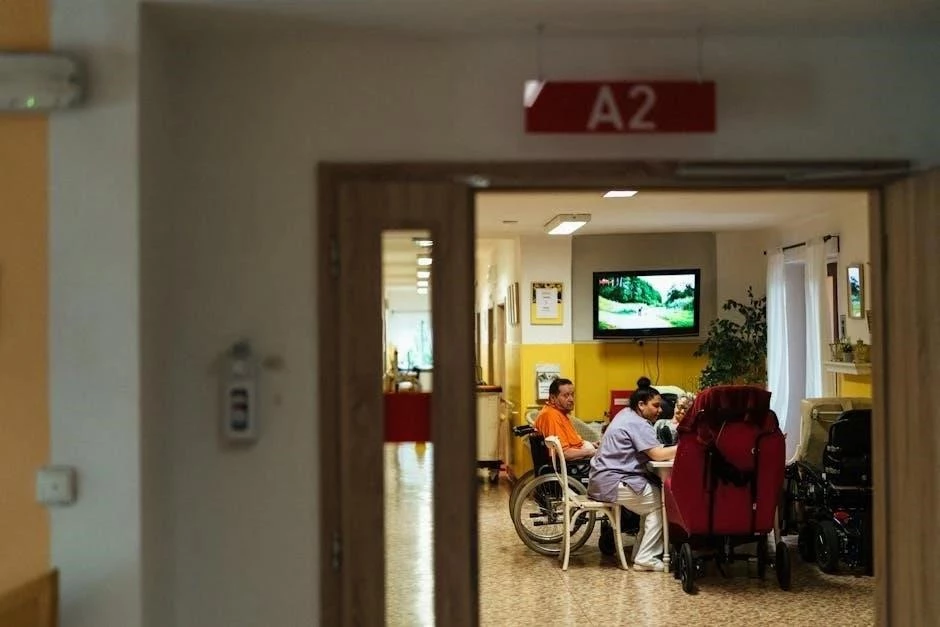
Watching a parent or loved one transition into a phase where they require professional medical support is one of the most challenging experiences a family can face in New York City. As a nurse who has navigated the complexities of the city’s healthcare system for years, I understand that you are looking for more than just a facility; you are looking for a community that offers both clinical excellence and a sense of peace. Roosevelt Island provides a unique sanctuary for elderly care Roosevelt Island, blending the tranquility of a small-town atmosphere with the high-level medical resources of Manhattan. My goal is to guide you through the clinical nuances of these services so you can make an informed, heart-led decision for your family’s future.
Clinical Quick Answer
Specialized nursing on Roosevelt Island is defined by high-acuity care capabilities, including sub-acute rehabilitation, ventilator weaning, and neuro-behavioral support, all grounded in a comprehensive Nursing Assessment. The island’s infrastructure is purpose-built for accessibility, featuring the wheelchair-friendly Red Bus system and ADA-compliant pathways that allow residents to enjoy the waterfront safely. By integrating the serene local environment with rigorous clinical protocols, Roosevelt Island facilities provide a therapeutic setting that is often more conducive to recovery and long-term stability than traditional urban nursing homes.
The Critical Role of the Nursing Assessment in Elderly Care
The journey toward quality elderly care Roosevelt Island begins with a deep clinical dive known as the Nursing Assessment. This is not merely a checklist; it is a holistic evaluation of a resident’s life. In the context of the island’s specialized facilities, the assessment determines the trajectory of care, ensuring that the staff is prepared for every nuance of the patient’s condition.
- Physical Health Review: Nurses evaluate vital signs, skin integrity, and nutritional status. For many seniors on Roosevelt Island, this includes assessing chronic conditions such as diabetes or heart failure that require daily monitoring.
- Functional Ability Scoring: Using standardized tools like the Katz Index of Independence in Activities of Daily Living (ADLs), the assessment determines how much help a resident needs with bathing, dressing, and feeding.
- Cognitive and Behavioral Screening: This involves checking for signs of dementia, depression, or delirium. On Roosevelt Island, these results help place residents in specialized units that match their cognitive needs.
- Medication Reconciliation: A vital step where the nurse reviews all current prescriptions to prevent adverse drug interactions, a common risk for the elderly.
- Safety and Risk Assessment: Identifying high-risk factors for falls is paramount, especially for residents who wish to utilize the island’s outdoor spaces.
- Social and Emotional Needs: Understanding a resident’s history, hobbies, and family dynamics ensures that the care plan supports their mental well-being as much as their physical health.
Navigating Physical Accessibility on Roosevelt Island
For families considering elderly care Roosevelt Island, the physical layout of the island is a significant advantage. Unlike the crowded streets of the Upper East Side or Midtown, Roosevelt Island was designed with a focus on pedestrian safety and ease of movement, making it an ideal location for those with mobility challenges.
- The Red Bus System: This free shuttle service is entirely wheelchair accessible, circling the island frequently and allowing residents and visitors to reach any facility without the stress of city traffic.
- Tram and Subway Accessibility: Both the Roosevelt Island Tramway and the F train station are equipped with modern, reliable elevators, ensuring that family members can visit easily from Manhattan or Queens.
- Waterfront Promenades: The island features miles of flat, paved walkways along the East River, which are utilized by nursing facilities for supervised ‘nature therapy’ sessions.
- Facility Design: Many of the island’s care centers, such as Coler Specialty Hospital, feature wide hallways and specialized flooring designed to minimize fall impacts and accommodate large medical equipment.
- Proximity to Specialized Care: The island’s geography allows for rapid transport to major medical centers like Weill Cornell or NY-Presbyterian via the bridge or ferry in case of emergencies.
- Wayfinding for Seniors: The island uses clear, high-contrast signage and consistent landmarks, which assists those with mild cognitive impairment in maintaining a sense of orientation.
Specialized Clinical Services Available to Residents
The nursing facilities on Roosevelt Island are not standard nursing homes; they are often specialty hospitals or high-acuity rehabilitation centers. This distinction is crucial for families whose loved ones require more than just basic assistance with daily living.
- Pulmonary and Ventilator Care: Some facilities on the island are recognized leaders in ventilator weaning and management, providing 24/7 respiratory therapist coverage.
- Neuro-Rehabilitation: For survivors of stroke or traumatic brain injury, specialized units offer intensive physical, occupational, and speech therapy.
- Wound Care Management: Certified wound care nurses utilize advanced treatments like negative pressure wound therapy (NPWT) to treat complex pressure ulcers and surgical sites.
- Hospice and Palliative Support: Compassionate end-of-life care is integrated into the island’s services, focusing on pain management and emotional support for the family.
- Dialysis Services: On-site dialysis is often available, sparing elderly residents the physical exhaustion of being transported to external clinics multiple times a week.
- Psychosocial Programming: Recognizing that isolation is a health risk, these facilities offer robust activities, from art therapy to horticultural programs in the island’s community gardens.
Understanding Medicaid and Financial Planning for NYC Seniors
Navigating the financial landscape of elderly care Roosevelt Island can be daunting. Most specialized facilities on the island accept NYC Medicaid, but the application process requires meticulous documentation and an understanding of New York State’s specific regulations.
It is essential to consult the NY State DOH website for the most current guidelines on income limits and asset transfers. Nursing assessments play a role here too, as they provide the clinical justification required by Medicaid to fund long-term care services.
- MLTC Coordination: Managed Long-Term Care (MLTC) plans are a key component of how services are paid for in New York, and the island’s facilities work closely with these insurers.
- The ‘Look-Back’ Period: Families must be aware of the five-year look-back period for Medicaid eligibility, which involves a thorough audit of the applicant’s financial history.
- Private Pay Options: While many utilize Medicaid, some facilities offer private pay wings with enhanced amenities for those who do not meet the financial criteria for state assistance.
- Social Work Advocacy: Every facility on the island has a social work department dedicated to helping families navigate these financial waters and ensuring the resident’s rights are protected.
- Medicare Part A and B: Understanding what Medicare covers (usually short-term rehab) versus what it does not (long-term custodial care) is a critical distinction for families to learn early on.
The Importance of Integrated Care Teams
Effective elderly care Roosevelt Island relies on a multidisciplinary approach. A Nursing Assessment is the starting point, but the ongoing care is a collaborative effort between various medical professionals who meet regularly to adjust the resident’s care plan.
- Interdisciplinary Team (IDT) Meetings: These meetings include the physician, nurse, social worker, dietitian, and therapist to ensure every aspect of the resident’s health is addressed.
- Dietary and Nutritional Support: Registered dietitians create customized meal plans, which is vital for residents with swallowing difficulties (dysphagia) or specific medical diets.
- Pharmacy Integration: Pharmacists work directly with the nursing staff to monitor for polypharmacy and ensure that medications are administered at optimal times for efficacy.
- Family Inclusion: Modern care models on Roosevelt Island prioritize family involvement, often including them in IDT meetings via video conferencing if they cannot attend in person.
- Continuous Quality Improvement: Facilities use data from nursing assessments to identify trends, such as an increase in falls or infections, and implement immediate corrective actions.
Environmental Benefits and Mental Well-being
The environment plays a documented role in clinical outcomes. Roosevelt Island offers a ‘therapeutic landscape’ that is often missing from other NYC nursing home locations; The psychological benefit of being surrounded by water and greenery cannot be overstated for an aging population.
- Reduction in ‘Sundowning’ Symptoms: The quiet, predictable environment of the island can help reduce the agitation often seen in dementia patients during the evening hours.
- Vitamin D and Outdoor Exposure: Accessibility allows even bed-bound residents to be taken outside in specialized chairs, providing essential sun exposure and fresh air.
- Community Engagement: The island’s small size fosters a sense of belonging; residents often see the same neighbors and local workers, which helps combat the loneliness common in institutional care.
- Pet Therapy and Nature: Many facilities take advantage of the island’s wildlife and parks to integrate pet therapy and nature walks into the weekly schedule.
- Spiritual Care: The island’s diverse community includes several houses of worship that provide chaplaincy services to the nursing facilities, catering to various faiths.
Nurse Insight: In my experience, the most successful transitions to elderly care Roosevelt Island happen when families treat the initial Nursing Assessment as a partnership. Don’t be afraid to share the ‘small’ details—like your father’s preference for tea at 4 PM or your mother’s fear of elevators. These personal nuances, when added to the clinical data, allow us to create a care plan that respects the individual’s dignity. Also, make use of the Red Bus; it’s a wonderful way to take your loved one for a ‘trip’ around the island without the physical strain of a traditional outing.
Frequently Asked Questions
How long does a typical Nursing Assessment take?
A comprehensive initial assessment usually takes between 60 to 90 minutes. This allows the nurse to perform a physical exam, review medical records, and speak with the resident and family to gather a full clinical picture.
Can residents of Roosevelt Island facilities leave the grounds with family?
Yes, depending on their clinical status and the type of facility. Most residents in long-term care are encouraged to go on outings with family, provided they are signed out properly and it is safe for their health condition.
What happens if my loved one’s condition changes after the initial assessment?
Nursing assessments are ongoing. In NYC facilities, a formal reassessment is typically required every 90 days or whenever there is a ‘significant change in status,’ ensuring the care plan is always up to date.
Is there a waiting list for elderly care Roosevelt Island facilities?
Availability varies by facility and the specific level of care needed. Specialized units (like ventilator care) may have different wait times than general long-term care. It is best to contact the admissions office directly.
How does the island handle medical emergencies at night?
Facilities on the island have 24/7 nursing and medical coverage. In the event of an acute emergency, New York City EMS services are stationed locally to provide rapid transport to nearby hospitals in Manhattan or Queens.
Contact ProLife Home Care NYC for a free clinical assessment:(718) 232 – 2777