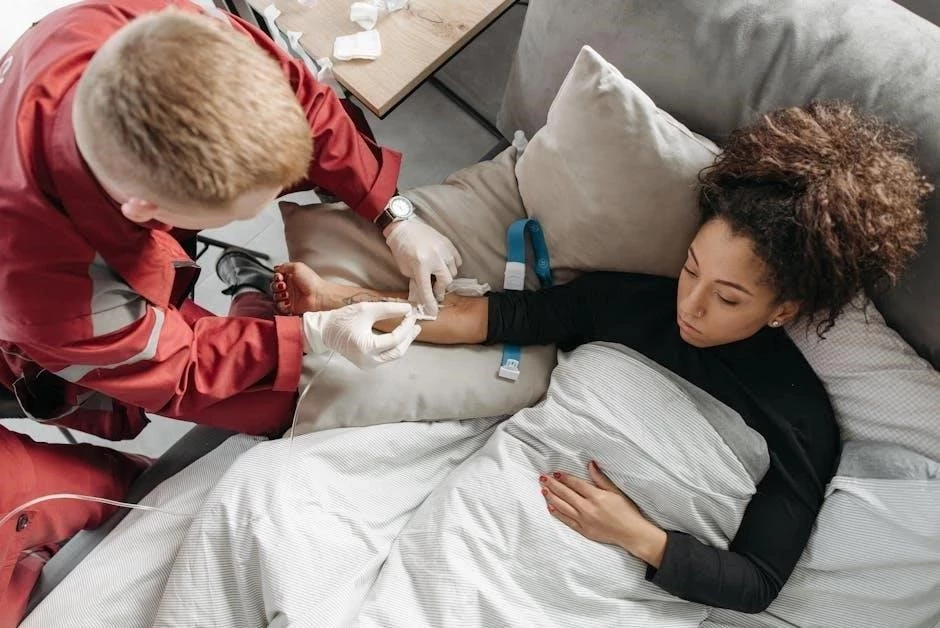
Navigating the home healthcare landscape in New York City can be an overwhelming journey for families trying to find the perfect balance of strength and sensitivity for their loved ones. As a senior nurse who has worked in the five boroughs for decades, I have seen firsthand how a dedicated caregiver can transform a household’s quality of life. Finding the right male home health aides NYC offers is about more than just filling a vacancy; it is about restoring dignity to a father, a brother, or a grandfather. We understand that your family’s comfort is the top priority, and we are here to guide you through the clinical and emotional benefits of male-led caregiving.
Clinical Quick Answer
Male home health aides in NYC provide essential clinical support for male patients who require assistance with activities of daily living (ADLs), specialized mobility transfers, and gender-concordant personal care. By partnering with agencies like About ProLife, families can access highly trained professionals who bridge the gap between clinical necessity and emotional companionship. These aides are increasingly vital in the New York healthcare system, offering a unique combination of physical stamina and cultural competence to ensure patient safety and dignity.
The Evolution of Male Caregiving in New York City
For years, the image of the home health aide was predominantly female, but the tides are turning in the clinical landscape of Manhattan, Brooklyn, Queens, the Bronx, and Staten Island. The modern male HHA is a professional who has chosen this path not only for employment but as a calling to serve. In the context of New York’s aging population, the presence of men in nursing and home care is breaking long-standing social stigmas. Families are recognizing that male aides bring a different dynamic to the household, one that often results in stronger bonds between the caregiver and the male patient.
- Increasing representation of men in frontline clinical roles across NYC hospitals and home care settings.
- Reduction of gender-based stereotypes through professional certification and high-quality outcomes.
- A growing network of support for men through organizations like About ProLife, which emphasizes the clinical importance of the male perspective in care.
- Enhanced recruitment efforts targeting men to fill the critical shortage of certified home health aides in the metropolitan area.
The Clinical Importance of Gender-Concordant Care
From a clinical perspective, patient comfort is directly linked to health outcomes. When a male patient feels awkward or embarrassed receiving personal hygiene assistance from a female aide, his stress levels can rise, potentially impacting blood pressure and overall cooperation with a care plan. Male home health aides NYC residents hire often find that their presence reduces this anxiety. This is particularly relevant when dealing with neurological conditions, where patients may become agitated; a male presence can sometimes provide a stabilizing influence that allows for smoother clinical interventions.
- Improved patient compliance with bathing, grooming, and toileting routines.
- Greater ease in discussing sensitive male health issues, such as prostate health or catheter care.
- Enhanced psychological well-being for patients who prefer the companionship of another man.
- Reduction in “caregiver burnout” for female family members who may struggle with the physical demands of caring for a male relative.
Navigating NYC’s Cultural and Religious Diversity
New York City is a mosaic of cultures, many of which have specific requirements regarding gender and care. In many traditional communities, the use of male home health aides NYC provides is not just a preference but a cultural or religious necessity. Agencies like About ProLife are deeply attuned to these nuances, ensuring that the aide placed in a home respects the traditions and modesty requirements of the family. Whether it is an Orthodox Jewish home in South Brooklyn or a traditional family in Queens, having a male caregiver ensures that the patient can maintain his religious integrity while receiving the medical support he needs.
- Adherence to modesty laws in various religious traditions (Tznius, Hijab, etc.).
- Shared cultural experiences that facilitate better communication and trust.
- The ability to participate in community activities or religious services with a companion of the same gender.
- Training in cultural competency provided by About ProLife to ensure aides are prepared for diverse household environments.
Physical Stamina and Complex Mobility Support
One of the primary reasons families search for male home health aides NYC is the physical nature of the work. Many male patients are larger than their female caregivers, making transfers from bed to wheelchair or assistance with gait training physically taxing. Male HHAs often have the physical leverage required to perform these tasks safely, reducing the risk of falls for the patient and injury for the caregiver. In the cramped quarters of many NYC apartments, navigating a Hoyer lift or maneuvering a wheelchair requires both strength and precision.
- Safe execution of pivot transfers and the use of gait belts for unsteady patients.
- Assistance with range-of-motion exercises as prescribed by physical therapists.
- Enhanced ability to assist with community outings, navigating subway stairs, and NYC sidewalks.
- Strategic use of body mechanics to prevent pressure ulcers in bedbound patients.
Professional Training and the About ProLife Standard
Becoming an HHA in New York involves rigorous training and adherence to state regulations. Prospective aides must follow guidelines established by the NY State DOH. About ProLife goes beyond the basic requirements, ensuring that their male aides are equipped with both the technical skills and the emotional intelligence needed for high-level care. This training covers everything from infection control and vital sign monitoring to the “soft skills” of empathy and active listening, which are crucial for building long-term relationships with patients.
- Mandatory 75-hour training program including clinical laboratory sessions.
- Regular in-service education to stay updated on the latest home care protocols.
- Background checks and fingerprinting to ensure the safety of NYC’s vulnerable populations.
- Specialized training modules on dementia care and end-of-life support.
The Future of Home Care: Career Longevity for Men
The role of a male HHA is often a stepping stone to a broader career in nursing or healthcare administration. By entering the field through home care, men gain invaluable bedside experience that cannot be replicated in a classroom. The growth of agencies like About ProLife has created a professional ecosystem where male caregivers are valued, mentored, and encouraged to advance. As the healthcare needs of New Yorkers continue to evolve, the integration of men into the HHA workforce will remain a cornerstone of a robust and inclusive care delivery system.
- Opportunity for advancement into Licensed Practical Nursing (LPN) or Registered Nursing (RN) roles.
- Competitive wages and flexible scheduling within the NYC market.
- The personal fulfillment of making a tangible difference in the lives of seniors.
- A stable career path in an industry with high demand and recession-proof job security.
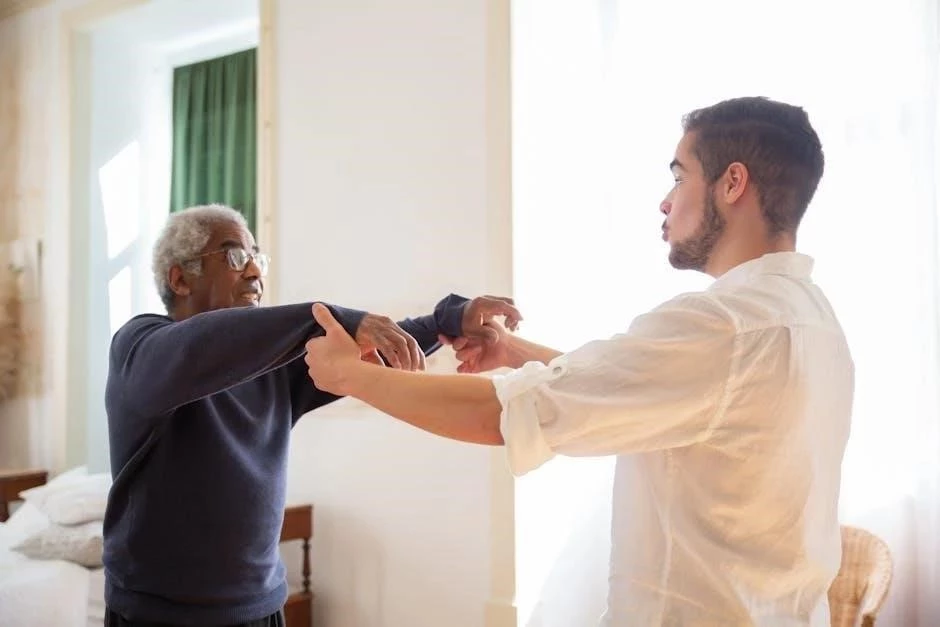
Nurse Insight: In my experience, families are often hesitant to ask for a male caregiver because they worry about finding someone with the right level of gentleness. However, once they see a male HHA in action—effortlessly helping their father into a chair or engaging him in a conversation about New York sports—that hesitation vanishes. About ProLife focuses on these personal connections, and I’ve seen these pairings result in some of the most successful long-term care outcomes in my career. Don’t be afraid to advocate for what your loved one truly needs.
Frequently Asked Questions
Why is there an increasing demand for male home health aides in NYC?
The demand is rising due to the preference of male patients for gender-concordant care, the need for physical assistance with mobility in NYC’s unique housing environments, and a growing recognition of the professional value men bring to the caregiving field. Many families find that male aides can better handle the physical requirements of transferring larger patients safely.
What specific tasks do male HHAs perform for NYC seniors?
Male HHAs perform Activities of Daily Living (ADLs) including bathing, grooming, and dressing, as well as complex transfers, meal preparation, medication reminders, and specialized companionship for male patients with dementia or mobility issues. They also assist with escorting patients to medical appointments and navigating the urban environment.
Are there cultural reasons why a family might specifically request a male caregiver?
Yes, many cultures and religious groups in New York City, such as Orthodox Jewish or certain Islamic communities, prefer gender-concordant care for personal hygiene and intimate tasks to maintain the patient’s dignity and religious observance. This ensures that the patient’s personal and spiritual values are respected during the care process.
How does About ProLife support men entering the HHA profession?
About ProLife provides comprehensive training, placement services, and professional development resources tailored to help men navigate the challenges of the healthcare industry and secure stable employment in NYC home care. They offer a supportive environment that values the unique contributions of male caregivers.
What are the certification requirements for male HHAs in New York?
Aides must complete a New York State Department of Health-approved training program consisting of 75 hours of instruction, including 16 hours of supervised clinical work, and must pass a background check and medical screening. This ensures that every aide, regardless of gender, meets the high clinical standards required in the state of New York.
Contact ProLife Home Care NYC for a free clinical assessment:(718) 232 – 2777