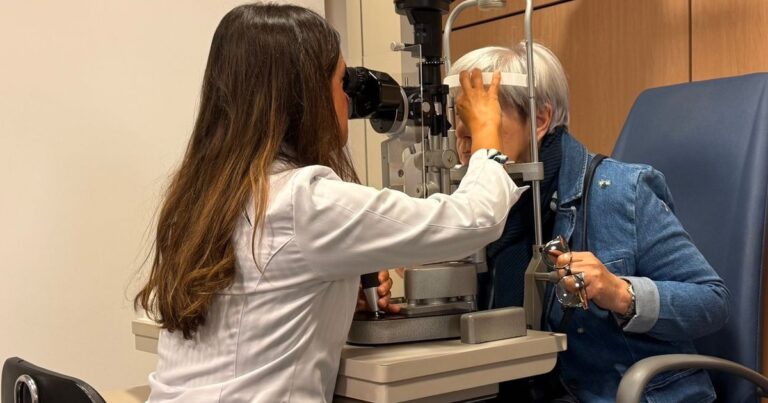

Yes. New York Medicaid pays, when medically necessary, for hearing tests and hearing aids for children, and the state’s rules for Medicaid members under 21 include binaural (two-ear) fittings. The usual path is a pediatrician or other provider referring the child to an audiologist, who tests hearing, and an otolaryngologist or audiologist who recommends the aids. For babies and toddlers in New York City, the Early Intervention Program, reached through 311, can arrange a free evaluation.
Does New York Medicaid cover hearing aids for children?
It does. The state’s Hearing Aid/Audiology Policy Manual, effective July 1, 2026, says Medicaid pays for eligible members, when medically necessary, to address disability caused by hearing loss or impairment. For children and teenagers, the broader federal benefit is called EPSDT (Early and Periodic Screening, Diagnosis and Treatment), which New York also calls the Child/Teen Health Program. The state’s EPSDT provider manual lists audiology services and necessary treatment, including hearing aids, among the covered services for members under 21.
Two rules matter for children in particular. First, for two hearing aids the manual normally asks for a reason, such as significant educational demands, but it lists “children up to age 20” among the accepted reasons. Second, the state’s code list says most children’s hearing aid codes can be authorized in real time through an electronic system, while adults 21 and older need prior approval for two aids. In practice, that makes the authorization step lighter for a child than for an adult.
How do you get hearing aids through Medicaid? Five steps
- Get a referral and a hearing test. Audiology services need a referral from a physician, physician assistant or nurse practitioner. A hearing screening does not need one. The audiologist’s tests include pure tone and speech audiometry in a sound-treated room.
- Get the recommendation. An otolaryngologist or qualified audiologist writes it. It can be a general recommendation or a specific make and model, and it must state that the member needs a hearing aid.
- Use a Medicaid-enrolled dispenser. The manual allows approved speech and hearing centers, Article 28 clinics and hospitals with audiology or ENT services, and registered hearing aid dealers or audiologist/dealers. The aid must be dispensed within six months of the recommendation.
- Authorization. The dispenser requests it. Most aids for children and adults go through the automated Dispensing Validation System, which answers in real time. If service limits are exceeded, a prior approval is needed instead.
- Fitting and the 45-day trial. The family signs a statement of rights, returns for adjustments during the trial, and at the end the caregiver or child confirms the aid helps. Keep that appointment.
If your child is in a Medicaid managed care plan, ask the plan which audiologists and dispensers are in its network before booking. The state manual describes fee-for-service rules, and plan networks are separate.
What does Medicaid pay for besides the hearing aids themselves?
A good deal of the day-to-day cost, according to the state’s current hearing aid code and coverage manual.
| Item | What the state manual says |
|---|---|
| Earmolds | Covered as non-disposable ear molds or inserts. Ask the dispenser how replacements are handled. |
| Batteries | The dispensing fee includes a one-month supply. After that, batteries are covered up to 48, a two-month supply, per date of service. The limit was raised from 24 in July 2026. |
| Repairs | Repairs and replacement of defective parts are included in the dispensing fee during the warranty. Repairs from damage that cost $70 or more need prior approval. |
| Replacement aid | For loss, theft, damage outside warranty, excessive repairs or no adequate benefit. Needs prior approval. If the aid is under 5 years old, the request must explain why replacement and not repair. A new aid is not approved just for newer technology. |
| Cochlear implant parts | The code list includes programming and external replacement parts such as headpieces, coils and processors. The manual does not describe coverage of the implant surgery itself. |
| Not covered | FM systems, assistive listening devices and tinnitus maskers are not reimbursable. |
What if my child loses or breaks a hearing aid?
Report it to the dispenser and the audiologist straight away. For a replacement the state asks for a letter describing what happened, the approximate date of the loss or damage, and the specific steps that will be taken to prevent it from happening again, along with a recent audiogram and the aid’s make, model and serial number.

How is a baby’s hearing checked, and where do NYC families start?
New York requires newborn hearing screening. Maternity hospitals and birthing centers must screen before discharge, and the Centers for Disease Control and Prevention’s 1-3-6 benchmarks aim for screening before 1 month, a diagnostic evaluation before 3 months and enrollment in early intervention before 6 months. A baby who fails two screenings, or who does not get a follow-up screening within 75 days of discharge, can be referred to Early Intervention.
The NYC Health Department describes Early Intervention as voluntary and confidential, and open to eligible city children regardless of income or immigration status. The CDC’s advice for families is short: if you or anyone who knows the child well suspects hearing loss, trust that instinct and ask the doctor for a hearing screening as soon as possible.
Where to start depends on the child’s age:
| Child’s age | Where to start |
|---|---|
| Newborn | Hospital screening before discharge; a failed screen should be followed by an audiology evaluation as soon as possible. |
| Birth to 3 years | The NYC Early Intervention Program. Call 311 and ask for Early Intervention, or use the online referral portal. Evaluation is free, and insurance, including Medicaid, is used at no direct cost to the family. |
| 2 years 11 months and older | Call 311 and ask for the Committee on Preschool Special Education if the child is not eligible for Early Intervention. |
| Any age, if you suspect hearing loss | Ask the pediatrician for age-appropriate hearing testing. The state recommends speech and hearing centers approved by the Physically Handicapped Children’s Program; the Growing Up Healthy Hotline, 800-522-5006, can supply the list. |
What does this page not cover?
Three things we could not confirm from state sources, so we have left them out. First, whether hearing aids are covered under Child Health Plus or a private health plan; ask the plan directly. Second, how long a dispenser will take once authorization comes through. Third, the surgery and hospital side of cochlear implants. Rules also change: the manual was republished on July 1, 2026, and the state notes that prior approval does not guarantee payment.
If your child also needs help at home, for example personal care, the adult independent-assessment process does not apply. The state’s June 2025 directive says the process for children under 18 is unchanged and starts with a physician’s order, which is where the M11q form comes in. Our guides to what Medicaid covers for home care and in-home care explain the wider options.
We are a licensed home care agency in Brooklyn and Queens, licence #2572L001, New York State Department of Health. We do not test hearing or dispense hearing aids. If you are sorting out Medicaid and home care for a family member, call (718) 232-2777 or use our contact page.
Medicaid rules and fee schedules change. Everything above was checked against the New York State Medicaid hearing aid manuals on emedny.org, the EPSDT/CTHP provider manual, nyc.gov and cdc.gov on 9 October 2026. Confirm coverage for your child with your Medicaid plan or the New York State Department of Health before ordering.
Frequently asked questions
Does Medicaid cover hearing aids for both ears in children?
It can. The state’s binaural criteria list children up to age 20 among the accepted reasons for two aids, and children’s two-ear aids can usually be authorized in real time. A documented medical need and the audiology results are still required.
How often can a child get new hearing aids on Medicaid?
The manual sets no simple calendar rule. Replacement depends on medical need: loss, theft, damage outside warranty, excessive repairs or no adequate benefit. If the aid is under 5 years old, the request must explain why it needs replacing and not repairing.
Does Medicaid pay for hearing aid batteries and earmolds?
Yes. Earmolds are covered, and batteries are covered up to 48 per date of service, which is a two-month supply, after the first month’s supply included in the dispensing fee.
Do I need a referral to have my child’s hearing tested?
For audiology testing, yes, from a physician, physician assistant or nurse practitioner. A hearing screening does not need a referral. For a child under 3 in New York City, you can also call 311 and ask for Early Intervention.
Does Medicaid cover FM systems or classroom listening devices?
Not under the hearing aid manual. FM systems and assistive listening devices are listed as not reimbursable. Ask your child’s school about classroom supports.
Does Medicaid cover cochlear implants for children?
The state’s code list includes cochlear implant programming and replacement external parts. It does not describe the surgery itself, so confirm that with your child’s Medicaid plan and surgical team.