As a Senior Nurse who has spent years visiting families across Brooklyn, I understand that finding the right care for your child is a deeply personal and emotional journey. Your home is a sanctuary, and bringing medical professionals into that space requires a foundation of trust, expertise, and compassion. Our mission is to ensure that your child receives the highest level of clinical intervention while remaining in the comfort of their own bedroom. A dedicated pediatric home care agency Brooklyn helps bridge the gap between hospital-grade technology and the warmth of family life.
Clinical Quick Answer
Pediatric home nursing provides specialized clinical support for children with chronic illnesses, disabilities, or post-surgical needs directly within the family residence. By utilizing Brooklyn Home Care services, families gain access to licensed nurses (RNs and LPNs) who manage complex medical equipment and medication regimens; These services are essential for maintaining stability, preventing hospital readmissions, and promoting the child’s developmental milestones in a familiar environment.
Comprehensive Clinical Services for Brooklyn Families
The role of a pediatric home care agency Brooklyn is to transform the home into a healing environment that rivals a clinical setting without the sterility of a hospital ward. For children with complex medical histories, the range of services must be diverse and highly specialized. This involves not just basic monitoring, but sophisticated intervention techniques that require years of pediatric training.
- Ventilator and Respiratory Care: Managing invasive and non-invasive ventilation, including CPAP and BiPAP machines, ensuring optimal oxygenation and airway patency.
- Tracheostomy Management: Daily care of the stoma site, inner cannula changes, and emergency suctioning to prevent respiratory distress.
- Nutritional Support: Administration of enteral nutrition through Gastrostomy tubes (G-tubes), Jejunostomy tubes (J-tubes), or Nasogastric tubes (NG-tubes).
- Intravenous (IV) Therapy: Managing central lines, PICC lines, and peripheral IVs for the administration of antibiotics, hydration, or total parenteral nutrition (TPN).
- Seizure Monitoring: Expert observation and intervention for children with refractory epilepsy, including the administration of rescue medications.
- Wound Care: Post-surgical site management and treatment of pressure ulcers or specialized skin conditions common in non-ambulatory pediatric patients.
Navigating the Brooklyn Home Care Landscape
Brooklyn Home Care is unique because of the borough’s diverse population and the specific regulatory environment of New York State. Families must navigate a complex web of insurance requirements and clinical assessments. Understanding the difference between ‘Skilled Nursing’ and ‘Personal Care’ is the first step in building a care plan that actually works for your child’s specific diagnosis.
- Assessment Process: A Registered Nurse from the agency performs an initial home visit to evaluate the child’s clinical needs and the safety of the home environment.
- Care Plan Development: This document serves as the roadmap for all clinical staff, outlining medication schedules, emergency protocols, and daily routines.
- Coordination with Specialists: Brooklyn agencies often work directly with major local medical centers like Maimonides Infants & Children’s Hospital or NYC Health + Hospitals/Kings County.
- Cultural Competence: Top-rated agencies provide staff who speak multiple languages and respect the diverse cultural traditions of Brooklyn’s neighborhoods.
- Licensing and Compliance: Every agency must adhere to strict guidelines set by the NY State DOH to ensure patient safety and quality of care.
The Importance of Specialized Pediatric Expertise
Children are not simply ‘small adults.’ Their physiology, pharmacokinetics, and psychological needs are vastly different. A pediatric home care agency Brooklyn ensures that the nurses entering your home have specific experience in neonatal or pediatric intensive care. This expertise is critical when seconds count during a medical emergency.
- Developmental Milestones: Nurses are trained to encourage age-appropriate play and learning while maintaining medical safety.
- Pediatric Pharmacology: Precision in dosing is life-critical for children; nurses must be experts in calculating weight-based dosages.
- Family Education: Part of the nurse’s role is to teach parents how to use equipment so they feel empowered in their child’s care.
- Emotional Resilience: Working with sick children requires a specific temperament; nurses must provide emotional stability for the entire family unit.
- Emergency Preparedness: Agencies conduct regular drills and competency checks for nurses on pediatric advanced life support (PALS).
Financial Assistance and Insurance in New York City
One of the biggest hurdles for families is the cost of long-term care. Fortunately, New York offers several pathways to make Brooklyn Home Care accessible. Whether through private commercial insurance or state-funded programs, there are resources available to ensure no child goes without necessary medical supervision.
- Medicaid Managed Care: Most pediatric home nursing is funded through Medicaid, even for families who might exceed income limits, through the ‘Care at Home’ waiver.
- CDPAP (Consumer Directed Personal Assistance Program): A popular choice in Brooklyn that allows parents to direct their child’s care and choose their own caregivers.
- Private Insurance: Many employer-based plans cover a limited number of ‘skilled nursing visits’ or hours per year.
- Early Intervention (EI): While focusing on therapy, EI often overlaps with home care to ensure the child’s developmental needs are met alongside medical needs.
- OPWDD Services: For children with developmental disabilities, additional home-based supports can be accessed through the Office for People With Developmental Disabilities.
The Role of Therapy in Home-Based Care
While nursing focuses on medical stability, therapy focuses on functional improvement. A comprehensive pediatric home care agency Brooklyn often facilitates or coordinates with therapists to ensure a holistic approach to the child’s health. Integrating these services prevents the ‘siloing’ of care and leads to better long-term outcomes.
- Physical Therapy (PT): Focuses on gross motor skills, such as sitting, crawling, or walking, and managing muscle spasticity;
- Occupational Therapy (OT): Helps children develop the skills needed for daily living, such as feeding themselves or using adaptive equipment.
- Speech-Language Pathology (SLP): Addresses both communication challenges and swallowing disorders (dysphagia).
- Respiratory Therapy: Specialized support for children on chronic ventilation to improve lung function and manage secretions.
- Social Work Support: Helping the family navigate the emotional and financial stress of raising a child with medical complexities.
Transitioning from Hospital to Home
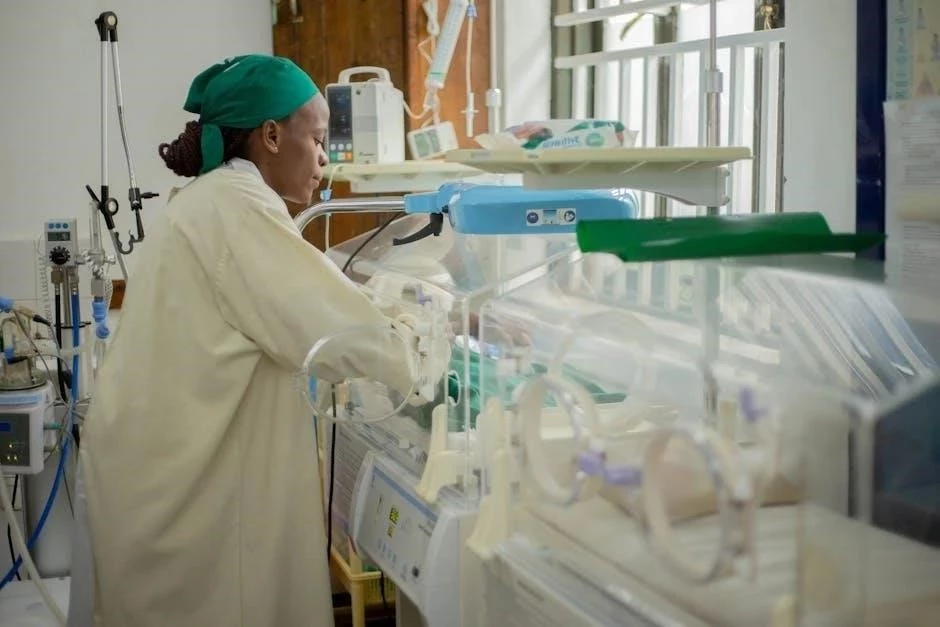
The transition from a Neonatal Intensive Care Unit (NICU) or Pediatric Intensive Care Unit (PICU) to home is a high-risk period. Brooklyn Home Care agencies play a pivotal role in ‘discharge planning,’ ensuring that the home is ready before the child even leaves the hospital. This ‘warm handoff’ is what prevents immediate readmissions and ensures a smooth start to home-based life.
- Pre-Discharge Meetings: Agency representatives meet with hospital staff to review the child’s stable baseline and current needs.
- Equipment Delivery: Ensuring that oxygen, monitors, and supplies are delivered and tested in the home prior to the child’s arrival.
- Staff Shadowing: In some cases, home care nurses will ‘shadow’ hospital nurses to learn the specific nuances of a child’s care.
- Environment Review: Checking for backup power sources for medical equipment and ensuring the home layout is safe for a medically fragile child.
- Primary Care Physician (PCP) Linkage: Ensuring that the agency has an open line of communication with the Brooklyn-based pediatrician who will oversee the case.
Nurse Insight: In my experience, the most successful home care arrangements happen when parents feel like they are part of the clinical team rather than just observers. Don’t be afraid to ask a potential pediatric home care agency Brooklyn about their ‘nursing pool’—you want to know how they handle coverage if a nurse calls out sick. In Brooklyn, traffic and subway delays are real factors; a reliable agency always has a secondary plan to ensure your child is never left without care.
Frequently Asked Questions
How do I know if my child needs skilled nursing at home?
If your child requires medical interventions that cannot be safely performed by a layperson—such as managing a ventilator, performing sterile catheterization, or administering IV medications—they likely qualify for skilled nursing. A clinical assessment by a Brooklyn Home Care professional can confirm the level of care required by law and insurance standards.
Will my insurance cover a pediatric home care agency Brooklyn?
Most New York Medicaid plans cover pediatric home care if medical necessity is proven. Private insurances vary; some offer robust coverage for home nursing, while others may only cover short-term ‘episodes’ of care. Many families in Brooklyn utilize the Medicaid ‘buy-in’ or waiver programs specifically designed for children with chronic conditions.
What happens if a nurse doesn’t show up for a shift?
Reputable agencies have a ‘coordinator’ or ‘on-call’ supervisor available 24/7. They are responsible for finding a replacement nurse from their per-diem pool. It is important to discuss ‘backup plans’ with your agency during the intake process to understand their specific protocol for staffing shortages.
Can the nurse accompany my child to school in Brooklyn?
Yes, this is often referred to as ‘School Nursing’ or ‘1:1 Nursing.’ If a child’s Individualized Education Program (IEP) mandates a nurse for safety, the pediatric home care agency Brooklyn can often provide the same nurse to attend school with the child, ensuring continuity of care throughout the day.
How are home care nurses vetted for safety?
In New York, nurses must undergo rigorous background checks, including fingerprinting through the Department of Health and a review of the Nurse Aide Registry. Furthermore, agencies are required to verify their professional license, conduct clinical competency exams, and perform regular performance evaluations.
Contact ProLife Home Care NYC for a free clinical assessment:(718) 232 – 2777