
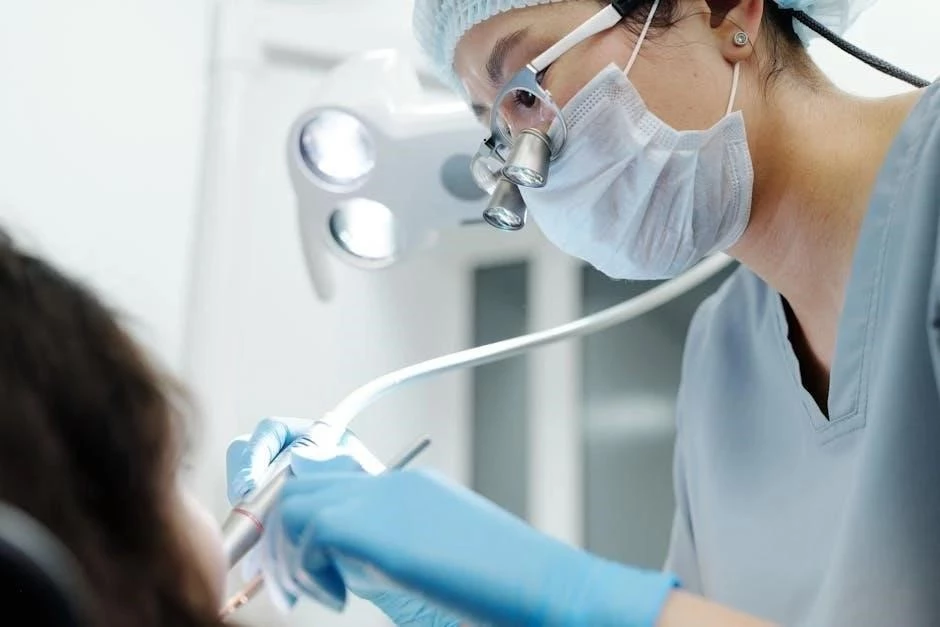
Navigating the complex healthcare landscape for your elderly loved ones in New York City requires patience and the right resources. As a nurse working closely with senior populations, I understand the anxiety families feel when trying to secure essential oral and physical health services under Medicaid. We want our parents and grandparents to receive care that respects their dignity while fitting within the constraints of state-funded insurance. This guide is designed to help your family connect with NYC senior dental Medicaid providers and understand the full spectrum of benefits available to your loved ones this year.
Clinical Quick Answer
In 2026, finding NYC senior dental Medicaid providers involves utilizing the New York State Provider Lookup tool and filtering by specific Managed Care Plans such as HealthPlus, Fidelis, or MetroPlus. It is essential to verify that the provider is currently accepting new patients, as network participation can fluctuate based on state reimbursement rates and administrative updates. Coordination of care should also include routine screenings for comorbid conditions, ensuring that both oral health and essential Foot Care for Seniors are prioritized to maintain overall systemic health and mobility.
Understanding Medicaid Dental Benefits for Seniors in 2026
The landscape of Medicaid in New York has seen significant updates as we move into 2026. For seniors, the focus has shifted toward preventative care and the maintenance of natural teeth, which is vital for nutritional health. Medicaid Managed Care (MMC) plans now emphasize a holistic approach to geriatric medicine.
- Comprehensive Exams: Seniors are entitled to regular oral examinations to detect early signs of decay, oral cancer, and gum disease.
- Restorative Services: Coverage includes fillings, root canals on certain teeth, and medically necessary extractions.
- Denture Coverage: Full and partial dentures remain a key benefit, though they often require prior authorization to ensure the prosthetic is the most appropriate clinical solution.
- Prophylaxis: Routine cleanings are covered, typically every six months, to prevent the onset of periodontal disease which can exacerbate other health issues like heart disease.
- Emergency Care: Immediate treatment for pain, infection, or trauma is always a covered benefit under NYC Medicaid plans.
How to Locate Reliable NYC Senior Dental Medicaid Providers
Finding a provider who not only accepts Medicaid but also understands the specific needs of the geriatric population is the first step toward quality care. The search should be borough-specific to minimize travel stress for the senior.
- State Directories: Use the official New York State Department of Health provider search portal to filter by “Dental” and your specific Managed Care Plan.
- NYC Health + Hospitals: The city’s public hospital system is one of the largest NYC senior dental Medicaid providers, offering specialized geriatric clinics in Manhattan, Brooklyn, and the Bronx.
- Community Health Centers: Federally Qualified Health Centers (FQHCs) like Ryan Health or Sun River Health often have dedicated dental wings that accept all Medicaid Managed Care plans.
- Plan-Specific Portals: Log into your loved one’s insurance portal (e.g., EmblemHealth or UnitedHealthcare Community Plan) to see a real-time list of in-network dentists.
- University Dental Clinics: Institutions like NYU College of Dentistry provide high-quality care at Medicaid rates, often utilizing supervised students and residents who have access to the latest technology.
The Critical Link Between Oral Health and Foot Care for Seniors
As a nurse, I cannot stress enough how interconnected the body is. While we focus on finding NYC senior dental Medicaid providers, we must also ensure we are accessing Foot Care for Seniors. These two areas are the “bookends” of senior health.
- Diabetes Management: Seniors with diabetes are at higher risk for both periodontal disease and peripheral neuropathy; Medicaid covers both dental and podiatry to mitigate these risks.
- Infection Control: An infection in the gums can lead to systemic inflammation, which slows the healing of foot ulcers, a common issue in the elderly.
- Mobility and Nutrition: If a senior cannot eat properly due to dental pain, they become malnourished, leading to muscle wasting and increased fall risks.
- Routine Podiatry: Foot Care for Seniors under Medicaid includes nail trimming for diabetics and treatment for corns, calluses, and fungal infections that can impede walking.
- Integrated Appointments: Try to schedule dental and podiatry visits in the same month to ensure that any systemic issues are being caught by both specialists.
Navigating Managed Care Plans and Specialist Referrals
Most NYC seniors are now enrolled in Managed Care Plans rather than traditional “Straight Medicaid.” This means the insurance company acts as a gatekeeper for specialized services.
- Primary Care Coordination: The senior’s Primary Care Physician (PCP) should be the central hub for all referrals, including specialty dental surgery or podiatry.
- Prior Authorizations: Some advanced dental procedures, such as crowns or complex bridges, require the dentist to submit X-rays and a narrative to the insurance plan for approval.
- Specialist Networks: If a senior needs an oral surgeon or a periodontist, they must stay within the Managed Care network to avoid unexpected out-of-pocket costs.
- Grievances and Appeals: If a necessary dental service is denied, families have the right to file an appeal with the Managed Care organization.
- MLTC Involvement: For those in Managed Long-Term Care (MLTC), the care manager can help arrange transportation and coordinate between the dentist and the podiatrist.
Overcoming Common Barriers to Care in New York City
NYC presents unique challenges, from transportation hurdles to language barriers; Addressing these proactively ensures the senior doesn’t miss vital appointments.
- Language Services: NYC senior dental Medicaid providers are required by law to provide translation services; always request a translator when booking if English is not the primary language.
- Physical Accessibility: Ensure the dental office is ADA compliant and has elevators if it is not on the ground floor, especially for seniors using walkers or wheelchairs.
- Wait Times: Medicaid clinics can be busy. Scheduling the first appointment of the morning can reduce the time spent in the waiting room.
- Transportation: Utilize Medicaid-funded transportation services. You must often book these 48 to 72 hours in advance through the MAS system.
- Caregiver Advocacy: Having a family member present during the exam is crucial for relaying medical history and understanding post-operative instructions.
Preparing for the Appointment: A Caregiver’s Checklist
Preparation is key to a successful visit. When visiting NYC senior dental Medicaid providers, having your documentation ready saves time and reduces stress for the patient.
- Current Medication List: Include dosages and the names of all blood thinners, as these significantly impact dental and foot surgeries.
- Medicaid and Managed Care Cards: Bring both the plastic New York State Benefit card and the specific Managed Care Plan card.
- Medical History: Be ready to discuss past heart surgeries, joint replacements, or history of stroke, as these may require pre-medication with antibiotics.
- Emergency Contact Info: Ensure the office has the current phone number for the primary caregiver and the senior’s PCP.
- Questions for the Doctor: Write down concerns about chewing difficulty, dry mouth (xerostomia), or foot pain before the appointment.
For more official information on benefits and provider rights, visit the NY State DOH website.
Nurse Insight: In my experience, the biggest hurdle isn’t the lack of coverage, but the lack of communication between providers. I always tell my families to keep a “health binder” that goes to every appointment. When you see NYC senior dental Medicaid providers, show them the notes from the podiatrist, and vice versa. This is especially true for Foot Care for Seniors; a podiatrist needs to know if a dentist is treating a major infection, as systemic antibiotics might affect both conditions. Being the “bridge” between these doctors is the best way you can protect your loved one’s health.
Frequently Asked Questions
How do I find a dentist in Brooklyn that accepts Fidelis Medicaid?
You can use the Fidelis Care online provider search tool and filter by “Dental” and “Brooklyn.” Additionally, many large clinics like the NYU Langone Dental Medicine sites in Brooklyn accept Fidelis and specialize in senior care.
Is Foot Care for Seniors covered if they don’t have diabetes?
While coverage is most comprehensive for those with diabetes, Medicaid often covers podiatry for other “at-risk” conditions such as chronic venous insufficiency, peripheral vascular disease, or if the senior has physical limitations that make self-care impossible.
What if my parent needs a specialist like an Endodontist?
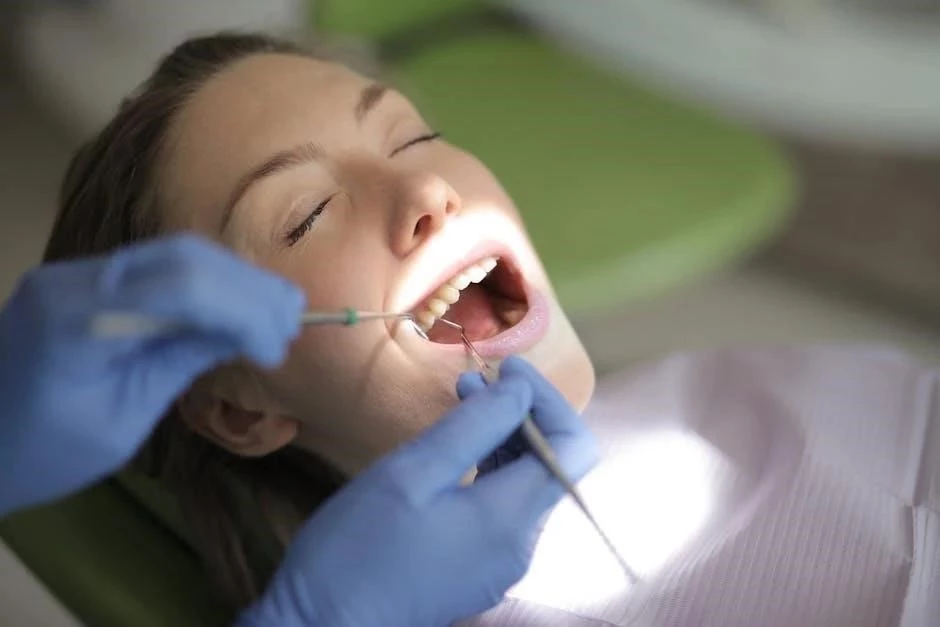
Your general NYC senior dental Medicaid provider will need to issue a referral. Some Managed Care plans require this referral to be pre-approved by the insurance company before the specialist appointment can take place.
Are there mobile dentists in NYC who take Medicaid for homebound seniors?
Yes, there are select mobile dental services that cater to homebound seniors. You should contact your Managed Long-Term Care (MLTC) coordinator to see which mobile providers are currently in-network for your plan.
How often can a senior get new dentures under Medicaid in 2026?
Generally, Medicaid covers a new set of dentures every eight years. However, if there is a significant change in the senior’s mouth structure or if the dentures are lost or broken beyond repair, an exception can be made with proper clinical documentation from the dentist.
Contact ProLife Home Care NYC for a free clinical assessment:(718) 232 – 2777