{
“@context”: “https://schema.org”,
“@type”: “FAQPage”,
“mainEntity”: [
{
“@type”: “Question”,
“name”: “What are the primary benefits of Chinese home care services in Manhattan?”,
“acceptedAnswer”: {
“@type”: “Answer”,
“text”: “The primary benefits include linguistic matching in Mandarin and Cantonese, cultural understanding of dietary and social preferences, and high-quality Nurse Services that bridge the gap between hospital and home. This ensures better patient compliance and emotional well-being for Chinatown seniors.”
} },
{
“@type”: “Question”,
“name”: “How can I access professional Nurse Services for my parents in Chinatown?”,
“acceptedAnswer”: {
“@type”: “Answer”,
“text”: “You can access these services through NYC Medicaid, private insurance, or the CDPAP program. Professional nurses provide clinical oversight, medication management, and specialized care plans tailored to the needs of the Chinese-speaking community.”
}
},
{
“@type”: “Question”,
“name”: “Does Medicaid cover Chinese home care services in Manhattan?”,
“acceptedAnswer”: {
“@type”: “Answer”,
“text”: “Yes, Medicaid is a primary payer for home care in New York. If the senior meets the financial and clinical eligibility requirements, they can receive comprehensive home care services, including those provided by Mandarin and Cantonese speaking caregivers.”
}
},
{
“@type”: “Question”,
“name”: “What is the role of a Registered Nurse in home care?”,
“acceptedAnswer”: {
“@type”: “Answer”,
“text”: “A Registered Nurse (RN) performs clinical assessments, creates a plan of care, supervises home health aides, and provides skilled treatments such as wound care or injections. Their oversight is crucial for managing chronic conditions safely at home.”
}
},
{
“@type”: “Question”,
“name”: “Are there specialized services for Mandarin and Cantonese speakers?”,
“acceptedAnswer”: {
“@type”: “Answer”,
“text”: “Absolutely. Specialized services include staff who are fluent in specific dialects, understand traditional Chinese medical perspectives, and can assist with navigating the local Manhattan healthcare infrastructure.”
}
}
]
}
As a Senior NYC Nurse with decades of experience in the community, I know that for families in Manhattan, home care is more than just a medical necessity; it is an act of filial piety and love. Finding Chinese home care services in Manhattan allows our elders to age with the dignity they deserve while remaining connected to their cultural roots. We understand that the transition to professional help can be difficult for both the senior and their children, which is why we focus on compassionate, language-appropriate care. Our goal is to provide seamless Nurse Services that support the family unit, ensuring your loved ones feel understood, respected, and safe in their own homes.
Clinical Quick Answer
Chinese home care services in Manhattan provide essential medical and personal support specifically tailored to the linguistic and cultural needs of the Mandarin and Cantonese speaking populations. These programs offer professional Nurse Services, including medication management, vital sign monitoring, and chronic disease oversight, while facilitating communication between patients and New York City healthcare providers. By integrating cultural sensitivity with clinical excellence, these services reduce hospital readmission rates and improve the overall quality of life for seniors in the Chinatown community.
The Importance of Cultural Competence in Manhattan Home Care
In the heart of Manhattan, specifically within the historic neighborhoods of Chinatown and the Lower East Side, the need for culturally competent care is paramount. For many seniors, the English language remains a significant barrier to receiving adequate medical attention. When a caregiver speaks Mandarin or Cantonese, it eliminates the frustration of being misunderstood and reduces the risk of medical errors. Chinese home care services in Manhattan prioritize this linguistic connection, ensuring that the senior can express their pain levels, symptoms, and emotional needs accurately.
- Linguistic Accuracy: Precise communication regarding symptoms and medical history in the patient’s native dialect.
- Trust Building: Seniors are more likely to comply with medical advice when it comes from a provider who respects their cultural background.
- Nutritional Support: Caregivers who understand traditional Chinese diets can prepare healthy, culturally appropriate meals that align with physician-ordered restrictions.
- Social Connectivity: Preventing isolation by allowing seniors to engage in meaningful conversation and community activities.
- Family Peace of Mind: Reducing the stress on adult children who often act as unpaid translators and coordinators.
Cultural competence also extends to understanding traditional health beliefs. Many Chinese seniors utilize a combination of Western medicine and traditional practices. A professional service understands how to balance these two worlds, ensuring that the primary Nurse Services provided are safe and do not conflict with any traditional remedies the patient may be using. This holistic approach is the gold standard for care in NYC.
Comprehensive Nurse Services: Managing Clinical Needs at Home
Beyond basic companionship, many seniors in Manhattan require high-level clinical oversight. This is where professional Nurse Services become indispensable. A Registered Nurse (RN) or Licensed Practical Nurse (LPN) brings a level of expertise that goes far beyond what a general caregiver can provide. In the context of the Manhattan healthcare system, these nurses serve as the front line of defense against complications from chronic illnesses such as diabetes, hypertension, and heart disease.
- Medication Management: Ensuring complex medication schedules are followed and monitoring for adverse drug reactions;
- Wound Care: Professional dressing changes for surgical sites or pressure ulcers to prevent infection.
- Diabetes Oversight: Monitoring blood glucose levels and administering insulin as prescribed by the endocrinologist.
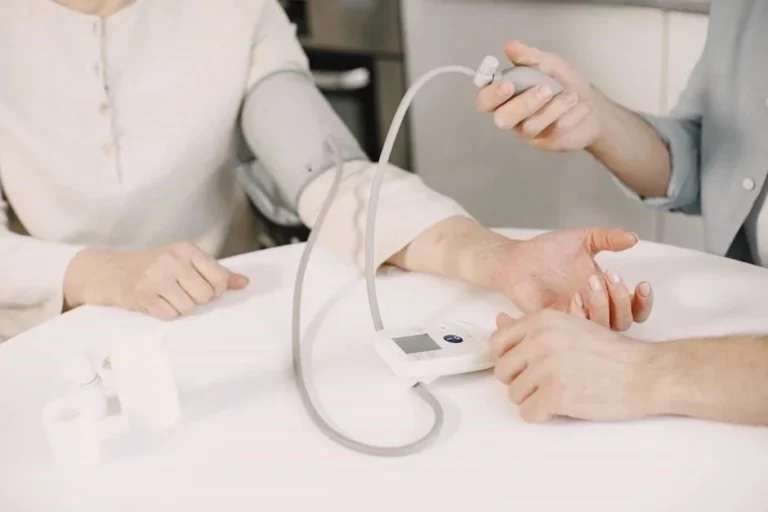
- Vital Sign Monitoring: Regularly tracking blood pressure, heart rate, and oxygen saturation to identify early warning signs of health decline.
- Care Coordination: Acting as a liaison between the patient, their family, and Manhattan-based specialists at hospitals like NYU Langone or Mount Sinai.
The integration of professional Nurse Services into the home environment allows for a “Hospital at Home” experience. This is particularly important for seniors who find the hustle and bustle of Manhattan’s medical centers overwhelming. By receiving care in a familiar environment, patients often experience lower levels of cortisol and faster recovery times. The nurse’s role is to ensure that the medical plan of care is executed perfectly, every single day.
Navigating the NYC Medicaid and DOH Regulatory Landscape
The financial aspect of securing Chinese home care services in Manhattan can be complex. In New York, the NY State DOH sets strict guidelines for home care agencies and provider eligibility. Most families utilize Medicaid to fund these essential services. Understanding the difference between Managed Long Term Care (MLTC) and the Consumer Directed Personal Assistance Program (CDPAP) is crucial for maximizing the benefits available to your family.
- Medication Eligibility: Assisting seniors in meeting the clinical and financial requirements for NYC Medicaid.
- CDPAP Advocacy: Allowing family members or trusted friends to be paid as caregivers, provided they are supervised by an agency.
- Plan of Care Development: Collaborating with DOH-authorized evaluators to determine the number of hours required for safety.
- Regulatory Compliance: Ensuring that all Nurse Services meet the high standards set by New York State law.
- Annual Assessments: Navigating the mandatory reassessments to maintain service continuity.
Navigating these regulations requires a partner who understands both the legal requirements and the specific needs of the Chinese community. Documentation often needs to be translated, and interviews with state evaluators may require professional interpreters. A dedicated Manhattan agency ensures that the paperwork never stands in the way of high-quality care.
Specialized Support for Mandarin and Cantonese Speaking Families
Manhattan’s Chinese community is diverse, with residents speaking various dialects including Mandarin, Cantonese, Taishanese, and Fuzhouese. Effective Chinese home care services in Manhattan recognize these nuances. It is not enough to simply provide a “Chinese speaker”; the caregiver must be able to communicate in the specific dialect that the senior is most comfortable with to ensure maximum comfort and safety.
- Dialect Matching: Specifically pairing caregivers with patients based on their primary regional language.
- Traditional Values: Incorporating concepts like “face” and “filial piety” into the caregiving relationship.
- Community Resources: Connecting families with local Chinatown senior centers and social services.
- Crisis Intervention: Providing 24/7 support in the family’s native language during medical emergencies.
- Health Education: Explaining complex medical diagnoses in terms that are culturally relevant and easy to understand.
When a senior feels that their caregiver truly “gets” them, the therapeutic relationship flourishes. This is especially important for patients suffering from dementia or Alzheimer’s, where language regression is common. In these cases, hearing their childhood dialect can be incredibly soothing and can reduce the agitation often associated with memory loss; This specialized focus is what sets Manhattan-based Chinese services apart from generic agencies.
Post-Hospitalization Transition and Recovery
One of the most critical times for a senior is the first 30 days after being discharged from a Manhattan hospital. Whether it is a hip replacement, a cardiac event, or a severe infection, the transition home is fraught with risk. Chinese home care services in Manhattan provide the intensive Nurse Services needed to bridge this gap and prevent the “revolving door” of hospital readmissions. This period requires a high level of clinical vigilance and physical assistance.
- Discharge Plan Implementation: Reviewing and executing the hospital’s instructions for recovery.
- Physical Therapy Support: Assisting the patient with prescribed exercises to regain mobility and strength.
- Infection Prevention: Monitoring surgical sites and ensuring the home environment is sterile and safe.
- Transportation Assistance: Helping the senior get to follow-up appointments with their Manhattan doctors.
- Equipment Management: Setting up and training families on the use of oxygen concentrators, walkers, or hospital beds.
During recovery, the presence of a skilled nurse who can communicate in Mandarin or Cantonese is vital. They can explain the “why” behind painful physical therapy or new medications, which increases patient cooperation. By providing a stable, clinically-sound environment at home, we allow the body to heal in the place where the patient feels most at peace.
Long-Term Wellness and Safety in the Urban Environment
Living in Manhattan presents unique challenges for seniors, from navigating steep subway stairs to managing small apartment layouts. Long-term Chinese home care services in Manhattan focus on modifying the environment to ensure safety and promoting wellness through preventative care. Our Nurse Services include regular safety assessments of the home to prevent falls, which are the leading cause of injury among the elderly in NYC.
- Fall Prevention: Identifying trip hazards and recommending the installation of grab bars and better lighting.
- Nutrition Counseling: Working with families to ensure the senior is receiving adequate hydration and balanced meals.
- Mental Health Monitoring: Watching for signs of depression or anxiety, which are common in isolated urban seniors.
- Skin Integrity: For those with limited mobility, ensuring regular repositioning to prevent pressure sores.
- Community Integration: Encouraging participation in Chinatown’s vibrant social life to maintain cognitive function.
Wellness is not just the absence of disease; it is the presence of vitality. By focusing on long-term health goals, we help our clients stay independent for as long as possible. Whether it is a daily walk in Columbus Park or a specialized exercise routine, our team is there to support the senior’s physical and emotional health every step of the way. We are committed to the longevity of our Manhattan elders.
Nurse Insight: In my experience, the biggest hurdle for Chinatown families isn’t the willingness to care for elders, but the sheer complexity of the NYC medical bureaucracy. I have seen so many families struggle to translate a doctor’s orders while also trying to manage their own jobs and children. My best advice is to seek out an agency that doesn’t just provide a caregiver, but provides a clinical advocate. Having a nurse who can speak directly to your parent in Cantonese while simultaneously coordinating with a world-class surgeon at a Manhattan hospital changes everything. It moves the family from a state of constant crisis to a state of managed care and peace.
Frequently Asked Questions
How do I qualify for Chinese home care services in Manhattan?
Qualification typically depends on two factors: clinical need and financial eligibility. Clinically, a physician must certify that the senior requires assistance with activities of daily living (ADLs) such as bathing, dressing, or medication management. Financially, many residents in Manhattan qualify through the New York State Medicaid program. Our specialists can help guide you through the application process to ensure your loved one receives the benefits they are entitled to.
What is the difference between a home health aide and Nurse Services?
A home health aide (HHA) primarily assists with personal care, meal preparation, and light housekeeping. Nurse Services, on the other hand, involve Licensed Practical Nurses (LPNs) or Registered Nurses (RNs) who perform clinical tasks. These tasks include administering injections, performing complex wound care, managing ventilators, and conducting medical assessments. For seniors with chronic or acute medical conditions, a combination of both HHA and Nurse Services is often recommended.
Can I choose a caregiver who speaks a specific dialect like Taishanese?
Yes, we understand that “Chinese” encompasses many distinct dialects. When you request Chinese home care services in Manhattan, we make every effort to match your family with a caregiver who speaks your specific regional dialect. This is crucial for building trust and ensuring that the senior feels completely comfortable and understood in their own home.
How quickly can services be started in Chinatown?
The timeline depends on whether you already have an active Medicaid case and a current medical assessment. If everything is in place, services can often begin within a few days. For families who are just starting the process, it may take several weeks to navigate the DOH requirements and insurance approvals. We offer expedited assistance to help move the process along as quickly as possible, especially for post-hospitalization cases.
Are your nurses familiar with traditional Chinese dietary restrictions?
Absolutely. Our staff is trained to respect and incorporate traditional dietary preferences while adhering to medical dietary requirements (such as low-sodium or diabetic-friendly diets). We understand the importance of foods like congee, soups, and specific herbal preparations in the Chinese culture and work to ensure these are included safely within the patient’s nutritional plan.
Contact ProLife Home Care NYC for a free clinical assessment:(718) 232 – 2777