As a senior nurse serving the vibrant neighborhoods of New York City, I have seen firsthand how deep the roots of the Italian-American community run in areas like Howard Beach. Watching a family navigate the complexities of aging is never easy, but in our community, care is more than just a medical task—it is an extension of the family dinner table and a lifelong commitment to honor our elders. We understand that for an Italian senior, staying at home isn’t just about comfort; it is about maintaining a connection to their heritage, their neighbors, and their kitchen. My goal is to ensure your loved ones receive professional medical oversight while keeping their dignity and cultural identity fully intact.
Clinical Quick Answer
Securing high-quality Italian senior care Howard Beach begins with a professional Nursing Evaluation to identify specific physical, cognitive, and nutritional needs. For many Italian-American families, this process integrates clinical excellence with cultural nuances, such as language preferences and traditional dietary requirements. By leveraging New York State programs like CDPAP or managed long-term care, families can access professional support that respects the unique heritage of the Queens Italian community.
The Importance of Cultural Competency in Howard Beach Senior Care
Howard Beach is a unique enclave where traditions remain a vital part of daily life. For the elderly population here, “aging in place” is the preferred method of late-life care because it keeps them close to the churches, social clubs, and families that define their existence. When selecting Italian senior care Howard Beach, it is not enough to simply find a caregiver; you must find a partner who understands the nuances of the culture.
- Language Harmony: Many seniors in Howard Beach may revert to their native Italian dialect as they age, especially those facing cognitive decline or dementia.
- Dietary Traditions: Nutrition is the cornerstone of Italian health, and caregivers must understand the importance of fresh, culturally appropriate meals rather than processed alternatives.
- Family Dynamics: Italian families are often large and deeply involved; care plans must account for the high level of family participation and decision-making.
- Religious Connection: Access to local parishes and spiritual support is often a top priority for Italian-American seniors in Queens.
- Social Engagement: Preventing isolation by maintaining connections with the local Howard Beach community and neighborhood friends.
The Role of the Initial Nursing Evaluation
The foundation of any successful home care plan is a comprehensive Nursing Evaluation. This is a clinical assessment performed by a Registered Nurse (RN) to determine the level of care required by the senior. In the context of Italian senior care Howard Beach, this evaluation is the bridge between medical necessity and the senior’s lifestyle goals. It is a mandatory step for enrolling in most New York State-funded home care programs.
- Medical History Review: A deep dive into chronic conditions such as hypertension, heart disease, or diabetes, which are common in the aging population.
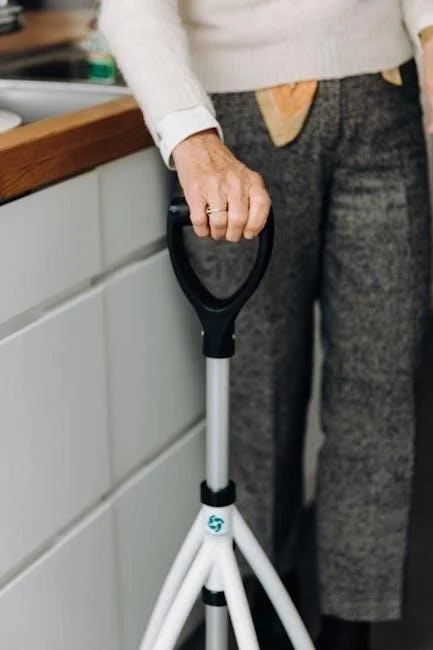
- Physical Mobility Assessment: Testing the senior’s ability to walk, transfer from bed to chair, and perform activities of daily living (ADLs).
- Cognitive Screening: Utilizing tools like the Mini-Mental State Exam (MMSE) to check for signs of Alzheimer’s or other forms of dementia.
- Medication Reconciliation: Ensuring that all prescriptions from different specialists are compatible and being taken correctly.
- Home Safety Audit: Identifying trip hazards, lighting issues, or the need for grab bars in the bathroom to prevent falls.
Specialized Medical Support for Aging Italian-Americans
Clinical care for seniors in the Italian community often requires a focus on specific health trends. Many seniors in this demographic have spent decades working in trades or raising families, leading to orthopedic issues or cardiovascular concerns. A tailored care plan addresses these medical needs while staying sensitive to the patient’s preferences and personal history.
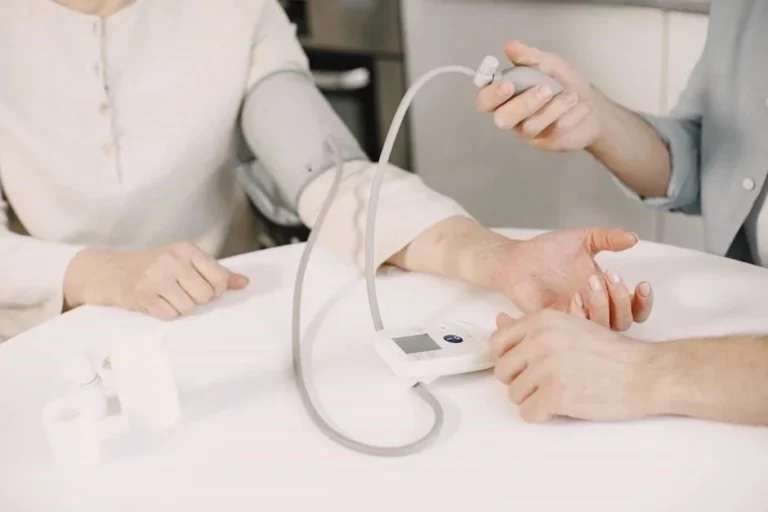
- Cardiac Health Management: Monitoring blood pressure and managing sodium intake while still respecting traditional flavors.
- Diabetes Oversight: Educating both the senior and the family on managing blood sugar levels through diet and medication.
- Post-Surgical Recovery: Providing wound care and physical therapy support for those recovering from hip or knee replacements.
- Respiratory Care: Supporting seniors with COPD or other breathing difficulties common in urban environments.
- Pain Management: Using both clinical and holistic approaches to manage chronic pain without over-reliance on sedatives.
Enhancing Quality of Life Through Social and Emotional Support
Italian senior care Howard Beach goes beyond pills and bandages. It is about the soul of the senior. Depression and anxiety are common among the elderly, especially when they begin to lose their independence. By integrating social support into the care plan, we can significantly improve the mental health outcomes of our patients.
- Cognitive Stimulation: Engaging the senior in storytelling, card games, or listening to familiar music to keep the mind sharp.
- Accompanied Outings: Ensuring the senior can safely visit the local bakery, park, or senior center to maintain their social circle.
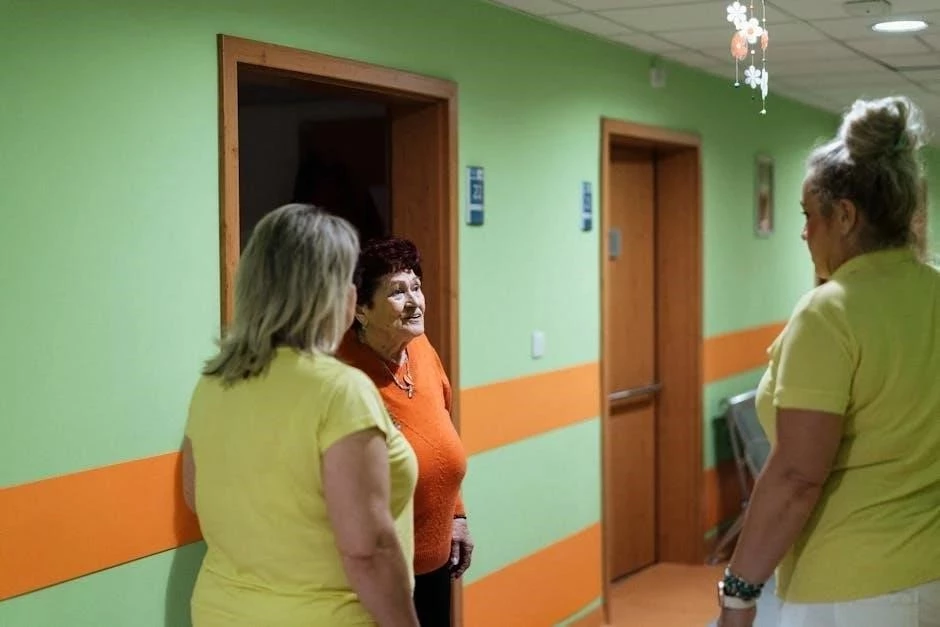
- Bilingual Companionship: Providing someone to talk to in Italian, which can reduce the frustration associated with language barriers.
- Family Respite: Giving the primary family caregivers a much-needed break, knowing their loved one is in professional hands.
- Dignity-First Personal Care: Assisting with grooming and hygiene in a way that respects the senior’s privacy and self-worth.
Navigating Medicaid and CDPAP in Queens
Many families are unaware that New York offers programs that allow seniors to receive care from people they already know and trust. The Consumer Directed Personal Assistance Program (CDPAP) is a popular choice for Italian families in Howard Beach because it allows the senior to hire their own caregiver—including children or grandchildren—who can then be paid through Medicaid.
- Eligibility Requirements: Understanding the financial and clinical criteria set by the NY State DOH.
- The Enrollment Process: Navigating the paperwork from the initial Nursing Evaluation to final approval.
- Caregiver Selection: The freedom to choose someone who already understands the senior’s cultural and personal preferences.
- Flexibility: CDPAP allows for a more fluid schedule that fits the family’s lifestyle rather than a rigid agency clock.
- Coordination: Working with Managed Long Term Care (MLTC) plans to ensure all medical needs are covered alongside personal care.
Preparing for the Future: Long-Term Care Planning
The transition to home care is often a reactive decision made after a fall or a hospital stay. However, the best outcomes for Italian senior care Howard Beach occur when families are proactive. Planning ahead allows the senior to have a voice in their care and ensures that the transition is smooth and respectful.
- Advanced Directives: Discussing healthcare proxies and living wills within the family circle.
- Environmental Modifications: Making the home “senior-friendly” before an accident occurs, such as installing ramps or stairlifts.
- Financial Planning: Consulting with elder law attorneys to protect assets while qualifying for necessary Medicaid services.
- Ongoing Re-Evaluations: Scheduling a Nursing Evaluation every six months to adjust the care plan as the senior’s needs change.
- Family Education: Teaching family members how to assist with transfers, medication reminders, and signs of clinical decline.
Nurse Insight: In my experience working with Italian-American families in Queens, the biggest hurdle is often the senior’s pride. They have spent their lives taking care of others and find it difficult to accept help. I always suggest framing the caregiver not as a “nurse,” but as a “helper for the family” or a “companion.” Once they see that the caregiver respects their kitchen and their traditions, that resistance turns into a beautiful, supportive friendship.
Frequently Asked Questions
How long does a Nursing Evaluation take?
A typical Nursing Evaluation takes between 1.5 to 3 hours. The nurse will spend time talking with the senior, observing their movements, reviewing medications, and discussing goals with the family to create a comprehensive picture of their needs.
Is Howard Beach covered by NYC Medicaid home care programs?
Yes, Howard Beach is fully covered by NYC Medicaid programs. Seniors who meet the income and clinical requirements can access a variety of home care services, including personal care aides and skilled nursing.
What if my loved one only speaks Italian?
Language is a critical component of care. Many agencies specializing in Italian senior care Howard Beach specifically recruit bilingual Italian-speaking aides to ensure clear communication and comfort for the senior.
Can the Nursing Evaluation be done at the hospital before discharge?
While a discharge planner does an initial assessment, a formal home care Nursing Evaluation usually takes place once the senior is back in their home environment. This allows the nurse to see exactly how the senior interacts with their specific living space.
What is the difference between a home health aide and a nurse?
A home health aide (HHA) assists with daily tasks like bathing, dressing, and meal prep. A nurse (RN or LPN) performs clinical tasks like wound care, medication administration, and the mandatory Nursing Evaluation required to manage the overall care plan.
Contact ProLife Home Care NYC for a free clinical assessment:(718) 232 – 2777