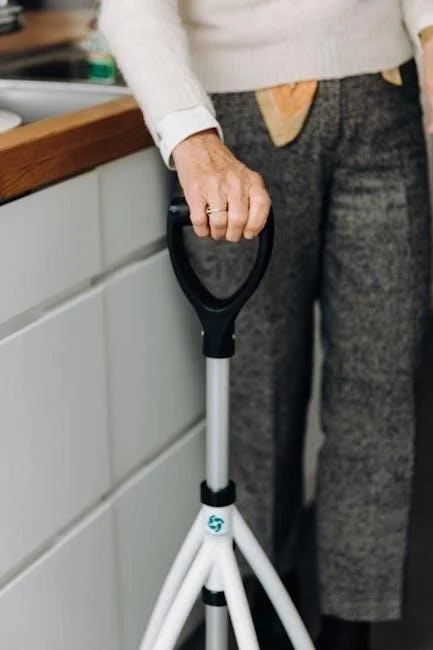
As a senior nurse who has worked in the heart of New York City for decades, I understand that care is about more than just medical tasks; it is about the sanctity of the home and the preservation of dignity. For our Bengali families in the Bronx, the transition to needing home health assistance can be overwhelming, but it is a journey you do not have to walk alone. Finding a caregiver who speaks your language and understands your traditions is the most compassionate gift you can give your elderly loved ones. Our mission is to ensure that every senior in our community feels heard, respected, and expertly cared for in the place they love most.
Clinical Quick Answer
Securing Bengali speaking home care Bronx services ensures that seniors receive culturally competent medical monitoring and personal care, which reduces the risk of hospital readmission and improves mental health. Through NYC Medicaid programs like CDPAP or traditional licensed home care, families can access aides who bridge the communication gap, ensuring vital signs and medication protocols are strictly followed. Professional Bronx Home Care allows elderly residents to age in place while maintaining their cultural identity and linguistic connection to their community.
The Critical Role of Language in Bengali Senior Care
In the clinical field, we often say that communication is the first step of any successful treatment plan. For Bengali seniors living in the Bronx, language barriers can lead to significant health risks, including medication errors and undiagnosed pain. When a patient cannot explain their symptoms to their aide, the quality of care suffers. By prioritizing Bengali speaking home care Bronx services, families ensure that their loved ones can communicate their most basic and complex needs. This goes beyond simple translation; it involves understanding the nuances of Bengali dialects and the specific ways elderly individuals express physical distress.
- Accurate Reporting: A Bengali-speaking aide can accurately report changes in a patient’s condition to the supervising nurse or physician.
- Emotional Connection: Reducing the sense of isolation and depression that often accompanies aging in a foreign-language environment.
- Safety Protocols: Ensuring that safety instructions, such as fall prevention and emergency procedures, are fully understood by the senior.
- Nuanced Understanding: Recognizing cultural expressions of illness that might be misinterpreted by those outside the community.
Navigating Bronx Home Care via NYC Medicaid
The financial aspect of home care is a major concern for many families. Fortunately, New York State offers robust support through Medicaid for those who qualify. Bronx Home Care is frequently funded through Managed Long-Term Care (MLTC) plans, which coordinate the services required to keep seniors out of nursing homes. To access these services, a senior must first undergo a clinical assessment to determine their functional limitations. This process can be complex, involving the New York Independent Assessor (NYIA), but it is the gateway to receiving the help your family deserves. Working with a specialist who understands the Bronx healthcare landscape is essential for a smooth enrollment process.
- Eligibility Verification: Confirming that the senior meets the income and clinical requirements for NYC Medicaid.
- MLTC Enrollment: Choosing a plan that has a strong network of Bengali-speaking providers in the Bronx.
- Clinical Assessment: Preparing for the nurse’s visit to ensure all physical and cognitive needs are properly documented.
- Service Authorization: Obtaining the necessary hours of care based on the senior’s daily living requirements.
Managing Chronic Conditions: A Culturally Centered Approach
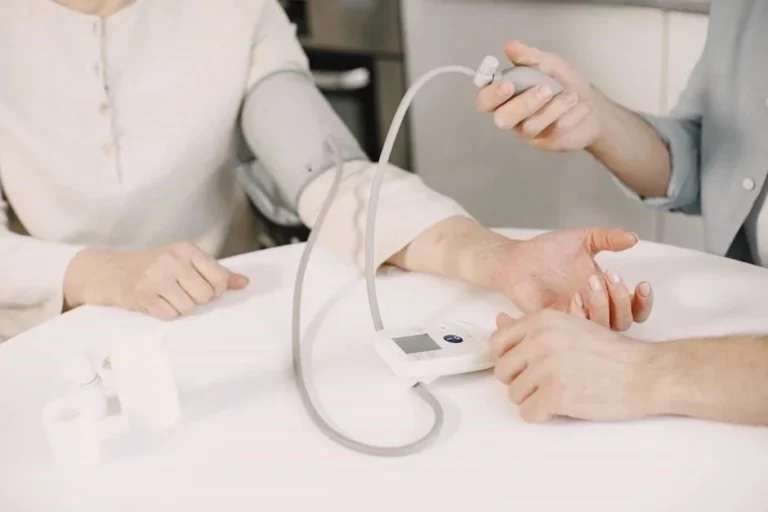
Bengali seniors often face specific health challenges, such as high rates of diabetes, hypertension, and cardiovascular disease. Managing these conditions requires a strict adherence to diet and medication, which can be difficult without cultural support. A Bengali speaking home care Bronx provider understands traditional diets and can help modify recipes to be heart-healthy while still being culturally appropriate. They can monitor blood glucose levels and blood pressure, providing real-time data to healthcare providers. This proactive management is key to preventing the complications that lead to emergency room visits.
- Dietary Management: Preparing Halal and traditional Bengali meals that align with diabetic or low-sodium requirements.
- Medication Adherence: Ensuring that medications are taken at the correct times, especially during religious observances like Ramadan.
- Chronic Disease Education: Explaining the ‘why’ behind medical treatments in a way that resonates with the senior’s lived experience.
- Vitals Monitoring: Daily tracking of weight, blood pressure, and oxygen levels to detect early signs of clinical decline.
The CDPAP Option for Bengali Families in the Bronx
The Consumer Directed Personal Assistance Program (CDPAP) is a transformative Medicaid program that is particularly beneficial for the Bengali community. It allows the senior to bypass traditional agency assignments and instead hire someone they already know and trust—often a family member or a neighbor. This is a powerful tool for those seeking Bronx Home Care because it naturally solves the language and cultural barrier. A daughter or son can be paid to care for their parent, ensuring that the care provided is rooted in deep personal love and cultural understanding; This program empowers the senior to maintain control over their daily life and who enters their home.
- Family Caregiving: Allowing adult children to provide care without the financial strain of lost wages from outside employment.
- No Certification Required: Unlike traditional aides, CDPAP caregivers do not always need a formal HHA certificate, as they are trained by the consumer or their representative.
- Cultural Continuity: Ensuring that religious practices and household traditions are maintained without interruption.
- Flexible Scheduling: Tailoring the care schedule to the specific needs of the family and the senior’s routine.
Enhancing Mental Health and Social Engagement
Social isolation is a silent epidemic among the elderly, especially within immigrant communities where language can be a barrier to the outside world. Bengali speaking home care Bronx aides serve as a vital link to the community. They can accompany seniors to local Bronx parks, community centers, or religious services at the mosque or temple. This social engagement is critical for cognitive health and helps to stave off the progression of dementia and Alzheimer’s disease. A caregiver who can share stories, discuss local news in Bengali, and engage in familiar cultural activities provides a level of mental stimulation that a non-Bengali speaker simply cannot.
- Cognitive Stimulation: Engaging in conversations and activities that reflect the senior’s heritage and personal history.
- Community Access: Assisting the senior in navigating the Bronx, from shopping for specific spices to attending community events.
- Reducing Anxiety: Providing a calming presence for seniors who may feel confused or frightened by the fast-paced NYC environment.
- Spiritual Support: Respecting and facilitating the senior’s daily prayer schedule and religious holidays.
Choosing the Right Agency for Bronx Home Care
Not all home care agencies are created equal. When searching for Bronx Home Care, it is vital to select an organization that demonstrates a genuine commitment to the Bengali community. This means having administrative staff who speak the language and a deep roster of qualified Bengali-speaking aides. You should ask potential agencies about their training programs, their experience with NYC Medicaid, and how they handle emergency situations. A good agency acts as a partner to the family, providing not just an aide, but a comprehensive support system that includes nursing supervision and social work assistance.
- Bilingual Staffing: Ensure the agency has Bengali speakers at multiple levels of the organization, not just the aides.
- Compliance and Quality: Verify that the agency is licensed by the NY State DOH and meets all safety standards.
- Family Communication: Look for agencies that provide regular updates to the family and are responsive to concerns.
- Specialized Care: Inquire if they offer specific training for conditions like stroke recovery or palliative care within the cultural context.
Nurse Insight: In my experience, the biggest challenge Bengali families face is the hesitation to ask for help because they feel it is their sole duty to provide care. However, utilizing Bengali speaking home care Bronx services isn’t ‘giving up’ on your loved one; it is bringing in a professional partner to ensure their medical safety. I have seen family dynamics improve significantly when the stress of 24/7 caregiving is shared with a professional aide, allowing the children to go back to being sons and daughters rather than just medical providers.
Frequently Asked Questions
How do I know if my loved one qualifies for Bengali speaking home care Bronx services?
Eligibility is primarily based on two factors: clinical need and financial status. Clinically, the senior must require assistance with activities of daily living (ADLs) like bathing, dressing, or meal preparation. Financially, they must qualify for NYC Medicaid. A formal assessment by a New York State-appointed nurse is required to finalize eligibility and determine the number of hours approved.
Can a family member really get paid to provide Bronx Home Care?
Yes, through the CDPAP program, most family members (except for legal spouses or parents of a minor child) can be hired and paid as caregivers. This is an excellent way to ensure your loved one receives care from someone who speaks Bengali and understands their personal preferences, all while being compensated through Medicaid.
What if my parent doesn’t have Medicaid yet?
If your parent has an immediate need for care but does not yet have Medicaid, you may need to go through the Medicaid application process first. This involves documenting income and assets. There are also ‘Medicaid Spend-Down’ programs for those who have slightly higher incomes but significant medical expenses. It is often helpful to consult with a Medicaid specialist to navigate this.
Are Bengali-speaking aides trained to handle medical emergencies?
Aides provided through a licensed Bronx Home Care agency are trained in basic safety, infection control, and emergency response. While they are not doctors or nurses, they are taught how to recognize signs of distress—such as symptoms of a stroke or heart attack—and how to contact emergency services and the supervising nurse immediately.
How does a caregiver help with Bengali-specific dietary needs?
A culturally competent aide understands the importance of traditional foods and religious dietary laws (such as Halal). They can assist with grocery shopping at local Bengali markets and prepare meals like daal, fish curry, or vegetable dishes that fit within the senior’s prescribed medical diet, ensuring they remain nourished and satisfied with their meals.
Contact ProLife Home Care NYC for a free clinical assessment:(718) 232 – 2777