{
“@context”: “https://schema.org”,
“@type”: “FAQPage”,
“mainEntity”: [
{
“@type”: “Question”,
“name”: “What is the primary benefit of Episcopal senior home support in Manhattan?”,
“acceptedAnswer”: {
“@type”: “Answer”,
“text”: “The primary benefit of Episcopal senior home support in Manhattan is the seamless integration of high-level clinical nursing with spiritual sensitivity. This approach ensures that medical protocols, such as medication management and wound care, are delivered within a framework that respects the patient’s faith-based values and community connections.”
}
}, {
“@type”: “Question”,
“name”: “Does Manhattan Home Care include specialized nursing for chronic conditions?”,
“acceptedAnswer”: {
“@type”: “Answer”,
“text”: “Yes, Manhattan Home Care services include specialized nursing for chronic conditions such as congestive heart failure (CHF), diabetes, and Parkinson’s disease. Registered Nurses (RNs) perform comprehensive assessments and create tailored care plans that address both physiological symptoms and environmental safety within the home.”
}
},
{
“@type”: “Question”,
“name”: “How do Episcopal values influence the quality of home care services?”,
“acceptedAnswer”: {
“@type”: “Answer”,
“text”: “Episcopal values influence home care by emphasizing the dignity of every human being, which translates into compassionate, person-centered clinical care. This includes prioritizing the patient’s autonomy, fostering a sense of community, and providing emotional support that aligns with the liturgical and spiritual rhythms of the Episcopal tradition.”
}
},
{ “@type”: “Question”,
“name”: “Is Medicaid accepted for faith-based home care in New York City?”,
“acceptedAnswer”: {
“@type”: “Answer”,
“text”: “Many Manhattan Home Care providers work with Medicaid Managed Long-Term Care (MLTC) plans; This allows eligible seniors to receive Episcopal senior home support Manhattan through state-funded programs, provided they meet the clinical and financial requirements set by the New York State Department of Health.”
}
}, {
“@type”: “Question”,
“name”: “Can home care services help with hospital-to-home transitions?”,
“acceptedAnswer”: {
“@type”: “Answer”,
“text”: “Absolutely. A critical component of home support is managing the transition from an acute care facility back to a Manhattan residence. This involves medication reconciliation, coordinating follow-up appointments, and ensuring the home environment is optimized for recovery to prevent hospital readmission.”
}
}
]
}
As a Senior NYC Nurse with decades of experience in the local healthcare landscape, I have seen firsthand how the right support system can transform a family’s quality of life. Navigating the complexities of aging in Manhattan requires more than just medical oversight; it requires a compassionate heart and a deep respect for the traditions that give life meaning. For Episcopal seniors, home is not just a residence, but a sacred space where faith and family intersect. Our mission is to provide you with the clinical guidance and peace of mind necessary to ensure your loved ones are safe, respected, and expertly cared for in the city they love.
Clinical Quick Answer
Episcopal senior home support Manhattan offers a specialized model of care that combines rigorous clinical protocols with spiritual and emotional enrichment. These services, provided through Manhattan Home Care agencies, include skilled nursing, physical therapy, and assistance with activities of daily living (ADLs) specifically tailored to the needs of the faith-based community. By focusing on holistic health, this support system aims to reduce hospitalizations and maintain the highest possible level of independence for seniors living in Manhattan.
Comprehensive Clinical Assessments for Manhattan Seniors
- Detailed health history reviews are conducted by Registered Nurses (RNs) to identify underlying risks and develop a customized Manhattan Home Care plan that aligns with both medical necessity and personal faith values.
- Medication reconciliation is a critical focus, ensuring that seniors avoid adverse drug interactions, which is especially important for those managing multiple prescriptions for age-related conditions.
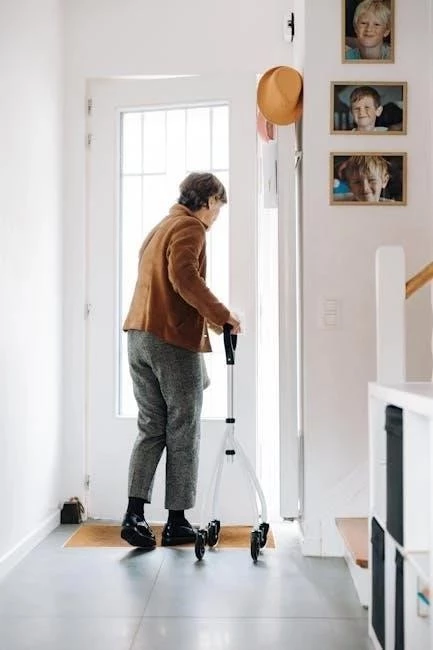
- Fall risk evaluations are performed within the unique constraints of Manhattan apartments, assessing lighting, flooring, and accessibility to prevent injuries in the home.
- Nutritional assessments take into account the specific dietary needs of the elderly, ensuring that meal planning supports cardiovascular health, bone density, and overall energy levels.
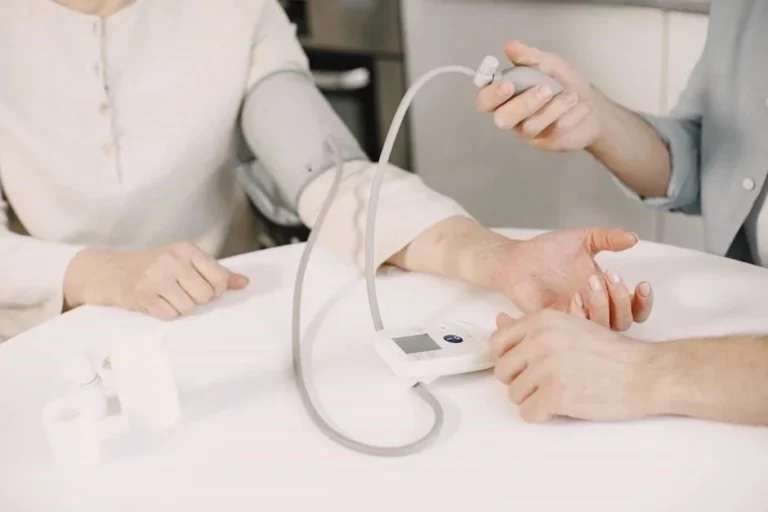
- Vitals monitoring, including blood pressure and glucose levels, is integrated into the daily routine to provide real-time data to primary care physicians and specialists.
- Cognitive screenings are utilized to detect early signs of memory loss, allowing for proactive interventions and the implementation of safety measures tailored to the individual’s needs.
Integrating Episcopal Spiritual Support into Daily Care
- Episcopal senior home support Manhattan prioritizes the spiritual well-being of the patient, acknowledging that faith plays a central role in the healing process and emotional resilience.
- Caregivers are trained to respect and facilitate participation in liturgical traditions, such as daily prayer, reading of the Book of Common Prayer, or virtual attendance at parish services.
- Chaplaincy coordination is often available, linking Manhattan Home Care clients with local Episcopal clergy for home visits, communion, and spiritual counseling.
- Emphasis is placed on the “dignity of the person,” a core Episcopal tenet that ensures every clinical interaction is handled with profound respect and empathy.
- Support during periods of grief or transition is provided through a lens of faith, helping seniors find peace and purpose despite physical limitations.
- Community connection is fostered by encouraging engagement with church-based social groups, even when the senior is unable to leave their home physically.
Managing Chronic Conditions through Manhattan Home Care
- Cardiovascular care involves monitoring for symptoms of fluid retention and oxygen saturation levels, which is vital for patients with congestive heart failure living in high-rise Manhattan buildings.
- Diabetes management protocols include blood sugar tracking, diabetic foot care, and insulin administration, all performed by skilled professionals.
- Respiratory support for seniors with COPD or asthma involves managing oxygen equipment and ensuring that the air quality in the urban home environment is optimized for lung health.
- Neurological care for conditions like Parkinson’s or stroke recovery focuses on mobility exercises and speech therapy to maintain functional independence.
- Pain management strategies are developed in collaboration with doctors to ensure that chronic pain is controlled through both pharmacological and non-pharmacological interventions.
- End-of-life and palliative care services provide a compassionate bridge, focusing on comfort, symptom management, and the fulfillment of spiritual wishes during the final stages of life.
Safety Protocols and Environmental Modifications in Urban Living
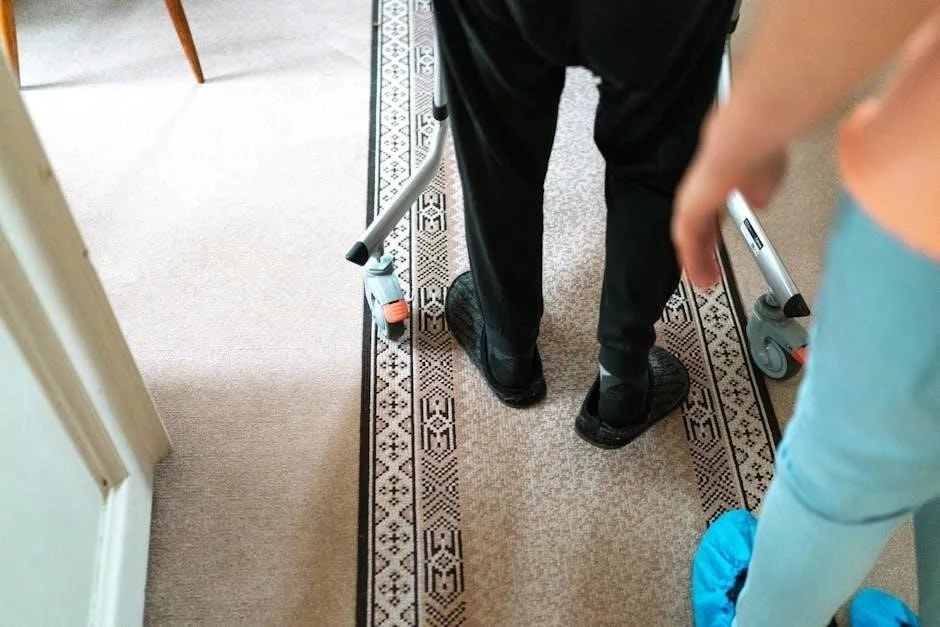
- Manhattan Home Care providers conduct thorough home safety audits to identify hazards common in NYC apartments, such as loose rugs, cluttered hallways, and inadequate bathroom grab bars.
- Emergency response planning includes the setup of personal emergency response systems (PERS) that can alert medical professionals and family members instantly in the event of a fall.
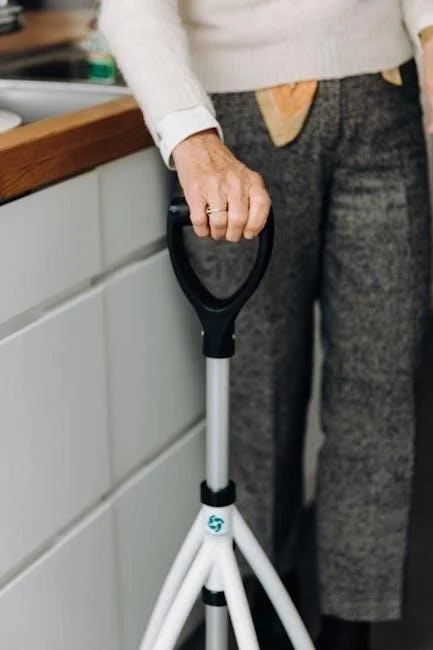
- Adaptive equipment recommendations, such as hospital beds, walkers, or specialized bath chairs, are facilitated through the NY State DOH approved vendors.
- Caregiver training includes safe transfer techniques (e.g., from bed to chair) to prevent injuries to both the senior and the healthcare worker in confined living spaces.
- Infection control protocols, particularly important in densely populated areas like Manhattan, are strictly followed to protect vulnerable seniors from seasonal viruses and other pathogens.
- Transportation coordination for medical appointments ensures that seniors can navigate the city’s complex logistics safely and without undue stress.
Navigating Medicaid and Long-Term Care Insurance in NYC
- Understanding Medicaid eligibility is a primary hurdle for many; Episcopal senior home support Manhattan resources often include specialists who help navigate the MLTC application process.
- Long-term care insurance policies are reviewed to ensure that Manhattan Home Care services are fully covered and that the family is maximizing their available benefits.
- Pooled Income Trusts are frequently utilized for seniors whose income exceeds Medicaid limits, allowing them to remain eligible for home care while paying for living expenses.
- Documentation and clinical justification for increased hours of care are handled by experienced nursing staff to ensure that the patient receives the appropriate level of support.
- Coordination with social workers and patient advocates helps families understand the differences between “Certified” and “Licensed” home care agencies in New York State.
- Financial planning for home care includes an analysis of out-of-pocket costs versus government-subsidized programs, providing a clear roadmap for long-term sustainability.
Psychosocial Support and Community Engagement for Episcopal Elders
- Combatting social isolation is a key clinical goal, as loneliness is a major contributor to cognitive decline and physical deterioration in the elderly.
- Companion care services provide meaningful conversation, mental stimulation through games and puzzles, and a consistent human connection that improves mental health.
- Respite care for family members ensures that daughter and son caregivers can avoid burnout, maintaining the health of the entire family unit.
- Culturally competent care is prioritized, ensuring that caregivers understand the specific history and social context of Manhattan’s Episcopal community.
- Advocacy for the patient’s rights within the New York City healthcare system ensures that the senior’s voice is heard and their preferences are honored in all care decisions.
- Holistic wellness programs may include music therapy, art therapy, or gentle yoga, all designed to enhance the quality of life within the home environment.
Nurse Insight: In my experience, the secret to successful aging in place in New York City is the “Circle of Care.” It is not enough to just have a nurse; you need a team that understands your parish connection, your favorite local pharmacy, and the specific layout of your apartment. I have seen Manhattan Home Care become a lifeline not just for the patient, but for the family, providing the structural support that allows the senior to focus on their spiritual and emotional life rather than their medical limitations.
Frequently Asked Questions
How do I start the process for Episcopal senior home support in Manhattan?
Starting the process involves a professional clinical consultation. A Registered Nurse will typically visit the home to assess the senior’s medical needs, physical environment, and spiritual preferences. Following this, a care plan is developed, and the agency coordinates with your insurance or Medicaid plan to begin services.
Can Manhattan Home Care provide 24/7 assistance?
Yes, 24/7 care is available through various staffing models, including “live-in” care or “split-shift” care where multiple caregivers cover the full 24-hour period. This is often necessary for seniors with advanced dementia or significant physical disabilities who require constant supervision and help with ADLs.
Is there a difference between Episcopal home support and standard home care?
The primary difference lies in the holistic integration of Episcopal values and spiritual care. While both provide medical and personal care, Episcopal support specifically trains staff to be sensitive to the liturgical life of the church and often includes direct links to parish resources and clergy.
What qualifications do the caregivers have?
Caregivers range from Certified Home Health Aides (CHHAs) to Registered Nurses (RNs). All personnel must pass background checks, complete New York State-mandated training, and undergo specialized education in geriatric care, infection control, and, in this case, spiritual sensitivity training.
How does the NY State DOH regulate these services?
The New York State Department of Health (DOH) licenses and inspects home care agencies to ensure they meet strict safety and quality standards. This includes regular audits of patient records, staff training requirements, and adherence to patient rights protocols.
Contact ProLife Home Care NYC for a free clinical assessment:(718) 232 – 2777