As a senior Registered Nurse with years of experience in the busy New York City medical landscape, I have seen firsthand how critical the transition from hospital to home is for surgical patients. NYU Langone Orthopedic Hospital is world-renowned for its surgical precision, but the true work of recovery begins the moment you cross your own threshold. For patients in the five boroughs, navigating the complexities of home-based recovery requires a disciplined approach and professional oversight. My goal is to ensure that every patient understands that specialized home rehab is not just an option, but a vital component of long-term orthopedic success.
Successful orthopedic recovery following a procedure at NYU Langone involves a coordinated plan that integrates professional nursing, physical therapy, and meticulous wound management at home. By focusing on immediate mobilization and early detection of complications, NYU Langone Orthopedic Hospital home rehab protocols significantly reduce the risk of hospital readmission. Effective Hip Surgery Rehab depends on consistent adherence to exercise regimens and environmental safety adjustments within the home.
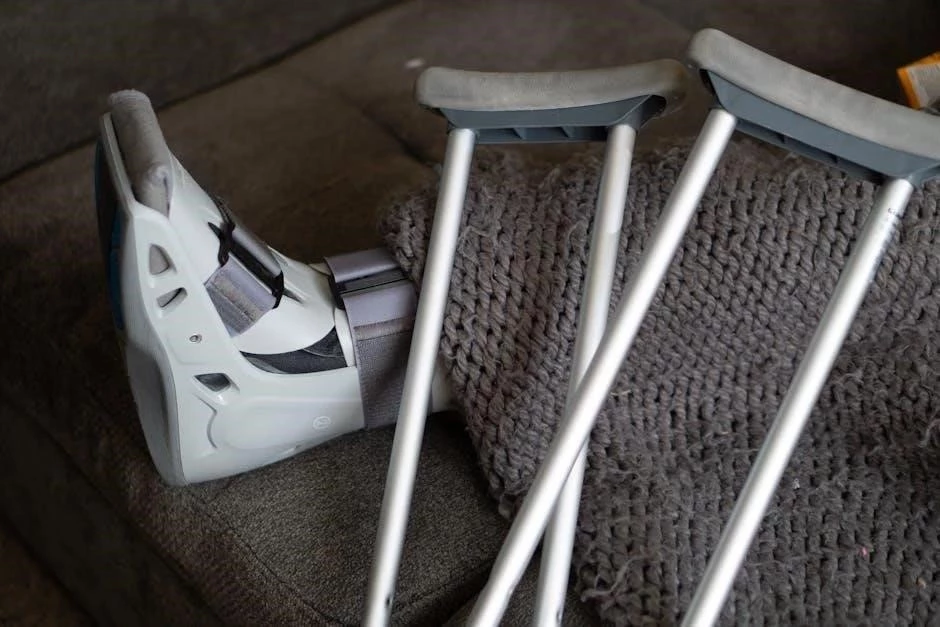
In my clinical experience, the greatest risk to a patient's recovery after leaving NYU Langone occurs between days four and seven post-operation. This is the “overconfidence window” where patients often feel a temporary reduction in pain and attempt to navigate their New York apartments without assistance or their prescribed walking aids. I always tell my patients that a single trip or fall during this period can undo a million-dollar surgery; therefore, having a professional home care team to supervise movement and manage the environment is the most critical safety net you can have.
ProLife Home Care offers the specialized clinical expertise and personalized attention necessary to bridge the gap between NYU Langone Orthopedic Hospital and a full return to daily life. Our team understands the unique challenges of recovering in New York City and provides the rigorous support needed for optimal healing. For more information on how we can assist your journey, please visit our Specialized Home Care Services.
The journey to mobility after a major orthopedic procedure is a path paved with both challenges and opportunities. When a patient is discharged from the NYU Langone Orthopedic Hospital, they are leaving one of the most advanced surgical environments in the world. However, the high-tech equipment and 24-hour clinical monitoring of the hospital are replaced by the familiar but often hazardous environment of a New York City home. This transition is where the success of the surgery is truly tested. Understanding the nuances of NYU Langone Orthopedic Hospital home rehab is essential for any patient aiming to return to an active, pain-free lifestyle. Whether the procedure was a total hip replacement, a knee arthroplasty, or a complex spinal fusion, the principles of specialized recovery remain the same: safety, consistency, and professional clinical oversight.
The Critical Importance of the First 48 Hours Post-Discharge
The initial two days after returning home from the hospital are a high-stakes period for any orthopedic patient. During this time, the anesthesia has completely worn off, and the body's inflammatory response is at its peak. In the context of Hip Surgery Rehab, this period determines the trajectory of the patient's mobility. Professional home care providers focus on several key areas during these first 48 hours to ensure the patient does not suffer a setback that could lead back to the emergency room.
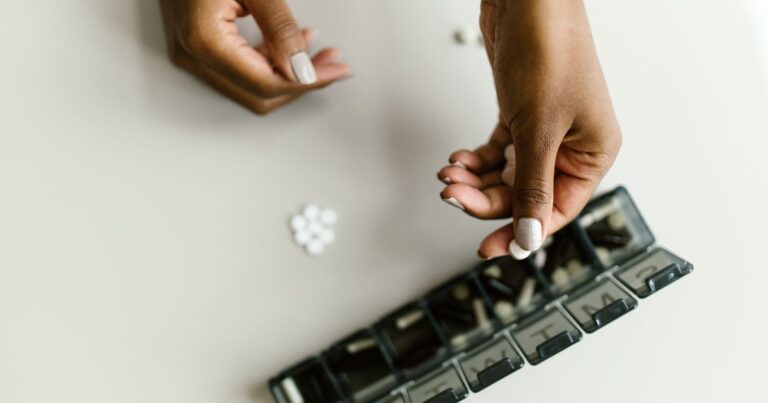
- Medication Reconciliation and Management: NYC nurses ensure that the complex list of painkillers, anticoagulants, and stool softeners prescribed by NYU Langone are taken correctly to prevent complications like blood clots or severe constipation.
- Pain Threshold Monitoring: Managing pain is not just about comfort; it is about enabling movement. If pain is not controlled, the patient will not perform their physical therapy, leading to joint stiffness and muscle atrophy.
- Wound Site Inspection: Early signs of infection, such as localized warmth, excessive redness, or drainage, must be caught immediately to prevent systemic issues.
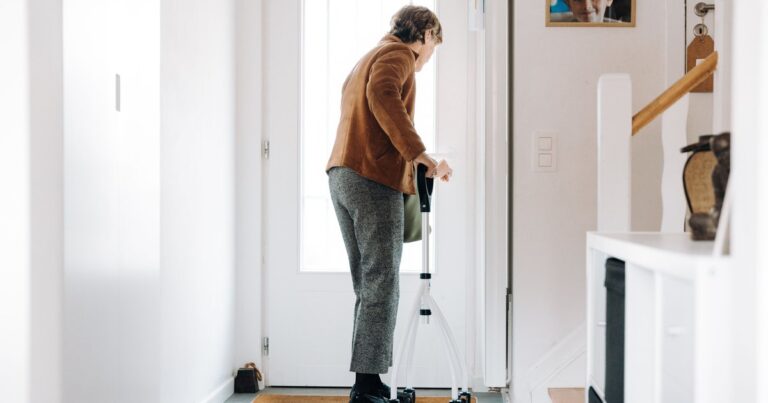
- Home Environment Assessment: Identifying “NYC-specific” hazards like loose rugs in pre-war apartments, narrow doorways, or steep internal stairs that could cause a catastrophic fall.
- DVT Prophylaxis: Ensuring the patient is performing ankle pumps and using compression stockings as directed by their NYU Langone surgeon to prevent Deep Vein Thrombosis.
Navigating Hip Surgery Rehab in the New York City Environment
Recovering from hip surgery in New York City presents unique logistical hurdles that patients in other parts of the country might not face. The density of the city, the nature of its housing, and the pace of life all influence how NYU Langone Orthopedic Hospital home rehab is conducted. A specialized rehab plan must account for these factors to be successful. For instance, a patient living in a walk-up in Brooklyn will have vastly different needs than someone in a full-service elevator building in Manhattan. Hip Surgery Rehab is particularly sensitive to these environmental factors because the hip joint is the pivot point for almost all functional movement.
- Functional Mobility Training: Therapists work with patients to navigate the specific layout of their homes, including getting in and out of low sofas or high beds common in city apartments.
- Stair Management: For those living in multi-level homes or buildings without elevators, learning the “up with the good, down with the bad” technique for stairs is a priority for safety.
- Adaptive Equipment Fitting: Ensuring that raised toilet seats, shower chairs, and grab bars are not only present but correctly installed and suited to the patient's height and weight.
- Safe Navigation of Public Spaces: As recovery progresses, rehab includes training on how to safely enter and exit vehicles or navigate uneven city sidewalks.
- Endurance Building: Gradually increasing the distance the patient can walk within their apartment to prepare them for the inevitable “New York walk” once they are cleared for outdoor activity.
Clinical Risks and the Role of Professional Nursing
While physical therapy is often the most visible part of NYU Langone Orthopedic Hospital home rehab, the role of the Registered Nurse (RN) is perhaps the most critical for safety. The RN acts as the eyes and ears of the surgeon, monitoring for clinical risks that a patient or family member might overlook. In the wake of Hip Surgery Rehab, the body is in a state of hyper-repair, which can sometimes go awry. Professional nursing intervention provides a level of surveillance that minimizes the risks associated with major surgery.
- Blood Clot Prevention: Nurses are trained to look for the subtle signs of DVT or a pulmonary embolism, which are among the most serious risks after orthopedic surgery.
- Infection Control: By maintaining a sterile environment for dressing changes and educating the patient on hygiene, nurses drastically lower the risk of surgical site infections.
- Hydration and Nutrition Monitoring: Proper healing requires significant protein and fluid intake; nurses monitor for dehydration and malnutrition which can delay tissue repair.
- Mental Health Support: Post-operative depression or “post-hospital syndrome” is common in NYC; nurses provide the emotional support and cognitive stimulation needed to stay motivated.
- Communication with the Surgical Team: Nurses provide a direct line of communication to the NYU Langone staff, ensuring that any concerns are addressed before they become emergencies.
Physical Therapy: The Engine of Recovery
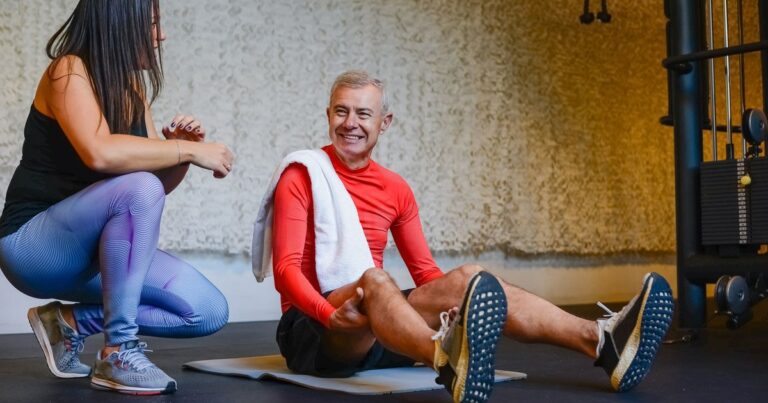
At NYU Langone Orthopedic Hospital home rehab, physical therapy is not just about “doing exercises.” It is a scientifically structured program designed to restore the biomechanics of the joint. For Hip Surgery Rehab, the focus is on strengthening the gluteal muscles and the core to support the new implant. A dedicated physical therapist ensures that the patient is performing movements with the correct form to avoid putting undue stress on the surgical site. Without professional guidance, patients often develop compensatory movements that can lead to secondary pain in the back or the opposite limb.
- Range of Motion Exercises: Gently increasing the flexibility of the hip or knee joint within the surgical precautions set by the doctor.
- Isometric Strengthening: Starting with muscle contractions that don’t move the joint, which is vital in the days immediately following surgery.
- Gait Training: Correcting the patient’s walk to ensure they are not limping or leaning, which helps in the long-term longevity of the orthopedic implant.
- Proprioception Training: Exercises that help the brain reconnect with the new joint, improving balance and reducing the risk of future falls.
- Progressive Loading: Carefully increasing the weight-bearing status of the limb as the bone heals and integrates with the prosthetic components.

The ProLife Approach to NYC Orthopedic Recovery
Choosing the right partner for NYU Langone Orthopedic Hospital home rehab can make the difference between a frustrating recovery and a triumphant return to health. In the competitive NYC healthcare market, a specialized agency provides a level of continuity that general home care cannot match. The focus remains on the specific protocols required for Hip Surgery Rehab, ensuring that every caregiver who enters the home is briefed on the patient's specific surgical history and the surgeon's preferences. This level of detail-oriented care is what defines a successful recovery journey.
- Tailored Care Plans: Every patient receives a customized plan that reflects their unique living situation and their specific surgical goals.
- Expert Coordination: We handle the logistics of scheduling therapy, nursing visits, and equipment deliveries so the patient can focus entirely on healing.
- Cultural Competency: Our staff understands the diverse fabric of New York City and respects the cultural nuances of every household we enter.
- Technology Integration: Utilizing modern monitoring tools to track progress and share data with the NYU Langone medical team in real-time.
- Family Education: We empower family members by teaching them how to safely assist their loved ones without risking injury to themselves or the patient.
Long-Term Success and Maintaining Your New Joint
The conclusion of a formal NYU Langone Orthopedic Hospital home rehab program is not the end of the journey; it is the beginning of a new chapter of mobility. For those who have undergone Hip Surgery Rehab, maintaining the health of the joint requires a lifelong commitment to activity and weight management. The habits formed during the home rehab phase-such as daily walking and specific strengthening exercises-become the foundation for years of pain-free movement. In New York City, where walking is a primary mode of transportation, a successful orthopedic recovery is truly a gift of independence.
- Transition to Community Gyms: Once home rehab is complete, transitioning to a supervised exercise program at a local NYC facility helps maintain gains.
- Annual Follow-ups: Ensuring the patient remembers to schedule their yearly check-ups at NYU Langone to monitor the prosthetic’s wear and tear.
- Low-Impact Lifestyle: Encouraging activities like swimming or cycling that protect the joints while providing cardiovascular benefits.
- Weight Optimization: Reducing the load on hip and knee joints through healthy NYC-available nutrition choices.
- Ongoing Vigilance: Teaching patients to recognize any new pains or changes in mobility that should be reported to their orthopedic specialist immediately.
| Service | What It Includes | Why It Matters<br /> |
|---|---|---|
| Clinical Nursing | Wound care, med management, and vitals monitoring. | Prevents infection and ensures surgical safety. |
| Physical Therapy | Strength training and gait correction. | Restores mobility and ensures long-term joint function. |
| Occupational Therapy | Training in activities of daily living (ADLs). | Increases independence in dressing, bathing, and cooking. |
| Home Safety Assessment | Evaluation of trip hazards and equipment needs. | Minimizes fall risks in the home environment. |
| Care Coordination | Communication with NYU Langone surgical teams. | Ensures the recovery plan follows surgeon protocols. |
Frequently Asked Questions
What is the main goal of NYU Langone Orthopedic Hospital home rehab?
The primary goal is to provide a safe transition from the hospital to the home while maximizing the functional outcome of the surgery through professional nursing and therapy.
How soon does Hip Surgery Rehab begin after getting home?
Rehab typically begins within 24 hours of discharge to ensure the joint stays mobile and to prevent the formation of scar tissue that could limit movement.
What are the most common risks during recovery at home in NYC?
The most common risks include falls due to cramped living spaces, surgical site infections, and blood clots from periods of inactivity.
Can I choose my own home care provider after leaving NYU Langone?
Yes, patients have the right to choose their home care agency, and selecting one specialized in orthopedic recovery is highly recommended for the best results.
How long does the specialized home rehab process usually last?
While every patient is different, most intensive home rehab programs last between two to six weeks before transitioning to outpatient therapy.
Contact ProLife Home Care NYC for a free clinical assessment: (718) 232-2777